
Ranko Popović
Ranko Popović (born 26 June 1967) is a Serbian former professional footballer who later became a coach. He is known for a long career in the sport that transitioned from playing to management and youth development.
Ranko Popović (born 26 June 1967) is a Serbian former professional football player who later pursued a career in coaching and football management. Over several decades he moved from on-field roles into tactical and developmental positions, applying his experience to senior teams and youth setups. His career reflects the common path of players from the former Yugoslavia who remained in the game after retiring as players and contributed to clubs at domestic and international levels.
Image gallery
3 Images

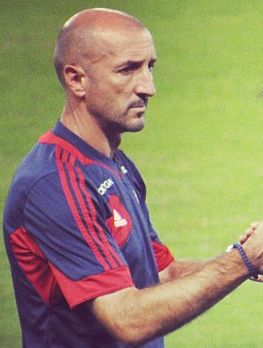
Playing career
Details about Popović’s playing career are not extensively documented in all sources, but like many professional footballers of his generation he spent his active years playing in domestic leagues and contributing at the club level. Former players who later become coaches typically gain practical knowledge of match preparation, team organisation and positional play during this phase, and these practical lessons often shape their later managerial outlook.
Transition to coaching and managerial roles
After retiring from active play, Popović transitioned into coaching. This move often involves working first as an assistant or youth coach before taking on head-coach responsibilities. Coaches with a playing background bring first-hand experience when designing training sessions, scouting opponents, and managing game-day tactics. Over time, such coaches may work with a variety of clubs and in different leagues, adapting to diverse footballing cultures and administrative environments.
Style, responsibilities and influence
As a coach, Popović’s responsibilities would typically include squad selection, tactical planning, player development, and liaising with club management. Many ex-players-turned-coaches emphasize discipline, defensive organisation and team cohesion, while others focus more on technical development and attacking patterns — the precise emphasis varies by individual and by the teams they manage. Coaches who have worked in multiple roles often contribute to nurturing younger players and preparing them for professional careers.
Legacy and recognition
Popović’s long involvement in football — spanning playing and coaching phases — places him among professionals who have maintained a lifelong commitment to the sport. Such figures are often recognised for their practical experience, mentorship of younger players, and steady contribution to clubs. Specific honours and match records should be confirmed from dedicated statistical and historical resources when required.
Further reading and references
- For a concise personal profile and career summary consult relevant sports databases and club records: Profile and basic data.
- For national-context information about Serbian footballers and coaching pathways see general overviews at regional federation or league pages: Serbian football context.
- For match statistics, managerial appointments and season-by-season details check specialised football statistics sites and archival material: Detailed statistics.
Readers seeking comprehensive chronological records, match appearances, exact playing positions and a full list of clubs and managerial posts should consult primary sports archives, club histories and verified databases, which provide season-by-season breakdowns and citations for specific claims.
Author
AlegsaOnline.com Ranko Popović Leandro Alegsa
URL: https://en.alegsaonline.com/art/129264