
Ramon Magsaysay (1907–1957)
Filipino statesman and the seventh President of the Philippines (1953–1957), known for his populist leadership, anti-insurgency campaigns, rural reforms and enduring public legacy.
Ramon del Fierro Magsaysay (August 31, 1907 – March 17, 1957) was a Filipino political leader who served as the seventh President of the Philippines from December 30, 1953 until his death in 1957. Elected under the banner of the Nacionalista Party, Magsaysay became widely regarded for his straightforward, populist style and his focus on restoring public confidence in government institutions.
Image gallery
10 Images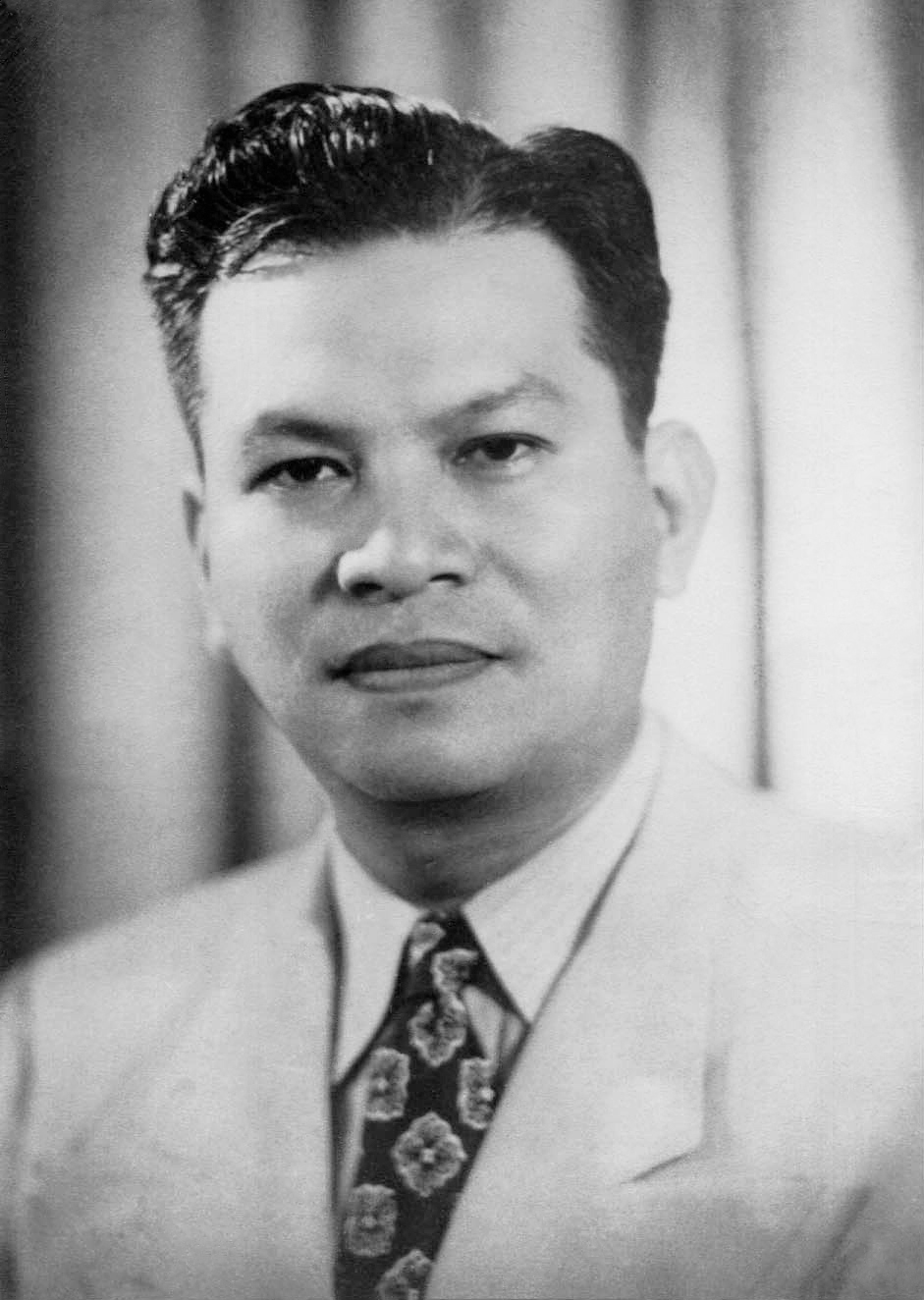



Early life and rise to public service
Born in the province of Zambales, Magsaysay came from modest origins and entered government and military service at a young age. During the Japanese occupation of the Philippines in World War II he took part in resistance activities. After the war he held several government posts, rising to national prominence when he was appointed Secretary of National Defense. In that role he led efforts to weaken communist-led insurgency movements and to professionalize the armed forces, gaining a reputation for effectiveness and integrity.
Presidency: policies and style
As president, Magsaysay emphasized close contact with ordinary citizens and a hands-on approach to governance. His administration prioritized:
- Security and anti-insurgency measures that reduced the strength of rural insurgent groups.
- Programs aimed at rural development, resettlement and rehabilitation to improve peasant livelihoods and reduce unrest.
- Administrative reforms meant to combat corruption and make government services more accessible.
- Maintenance of strong relations with allied countries while seeking practical economic and military assistance.
He used public ceremonies, radio broadcasts and personally visible gestures to cultivate a reputation as a ‘‘man of the masses,’’ which helped restore public faith in government after a period of instability.
Death and legacy
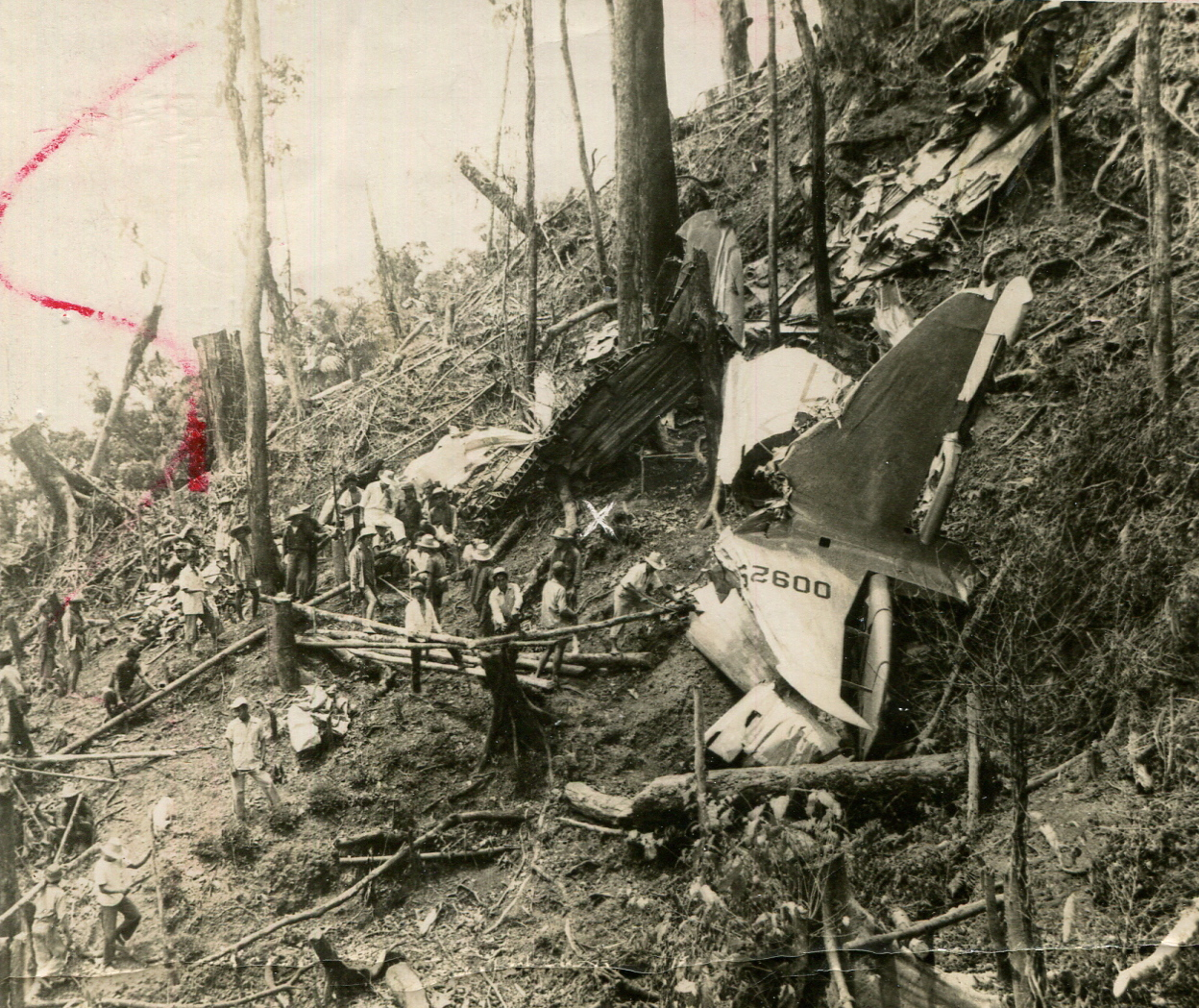
Magsaysay died in a plane crash on March 17, 1957 while still in office. His sudden death shocked the nation and led to an outpouring of public grief. He was succeeded by his vice president. His memory has been preserved in several ways, including awards and institutions established to honor public service and leadership in Asia.
Notable facts and historical significance
Magsaysay is often remembered for combining populist rhetoric with pragmatic administration. Critics and supporters alike note that his policies were decisive in addressing the immediate security challenges of the early 1950s, and that his personal reputation for integrity set a high standard for subsequent officeholders. For more on the office he held, see the article on the President, and for broader national context consult the Philippines overview.
Though his presidency was cut short, Magsaysay's blend of grassroots outreach, administrative reform and emphasis on rural welfare left an enduring imprint on Philippine politics and public expectations of leadership.
Author
AlegsaOnline.com Ramon Magsaysay (1907–1957) Leandro Alegsa
URL: https://en.alegsaonline.com/art/129228