
Qayyum Chowdhury
Qayyum Chowdhury (1932–2014) was a leading Bangladeshi painter and illustrator, widely known for his book covers, posters and depictions of rural life. His work shaped visual culture in Bangladesh for decades.
Qayyum Chowdhury (Bengali: কাইয়ুম চৌধুরী) was a prominent Bangladeshi artist whose paintings and illustrations became a familiar presence across the country's printed culture. Born in 1932, he developed a long career as a painter, educator and graphic artist. He is particularly remembered for his prolific work producing book and magazine covers, a practice that brought modern visual sensibilities into mainstream publishing.
Image gallery
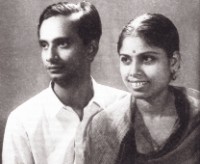
3 Images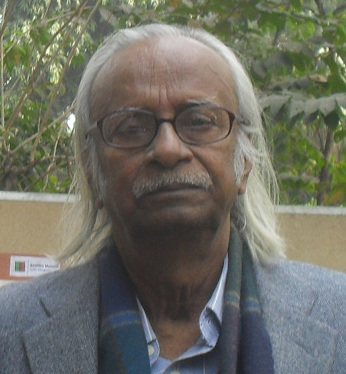

Career and public work
Chowdhury worked across media, combining fine art with applied illustration. For more than two decades he produced cover art for books and periodicals, helping to define how literature and ideas were presented to readers. His images appeared widely in publications and public displays, making his aesthetic part of everyday life in Bangladesh. He also exhibited paintings in galleries and participated in the national conversation about art and culture.
Style and themes
His work often draws on scenes of rural and domestic life, using simplified forms, expressive color and careful composition. Recurring motifs in his paintings include boats, rivers, village landscapes and family figures, rendered with an economy of line that balances realism and stylization. These choices made his work accessible while retaining personal and poetic qualities.
Teaching, influence and recognition
Besides his studio practice, Chowdhury taught and mentored younger artists, contributing to art education and institutional life. His students and contemporaries remember him for both his technical skill and his role in modern Bangladeshi visual culture. Over his career he received public recognition and awards for his contributions to the arts.
Death and legacy
On November 30, 2014, Chowdhury became ill while speaking at a music festival organized by the Bengal Foundation at the Bangladesh Army Stadium. He was taken to the Combined Military Hospital (CMH), where an on-duty doctor pronounced him dead; he was 82. His paintings and the many covers he produced remain widely seen, and his influence continues in contemporary Bangladeshi art and publishing.
- For a Bengali rendering of his name see native spelling.
- More on his life and work can be found through institutional biographies and exhibition catalogs: biographical resources.
- Collections and selected works are documented in catalogs and retrospectives: gallery and archive listings.
Author
AlegsaOnline.com Qayyum Chowdhury Leandro Alegsa
URL: https://en.alegsaonline.com/art/129052