
Princess Charlotte of Clarence (1819)
Infant daughter of William IV and Adelaide, Princess Charlotte of Clarence was born and died on 27 March 1819. Her brief life illustrates royal childbirth risks and succession issues of early 19th-century Britain.
Overview
Princess Charlotte of Clarence was the first recorded daughter of Prince William, Duke of Clarence (later King William IV), and his consort Adelaide. Contemporary accounts record that she was born and died on the same day, 27 March 1819, in Hanover. Because she did not survive infancy she left no personal record beyond her brief mention in genealogies and royal announcements.
Image gallery
10 Images






Family background and immediate circumstances
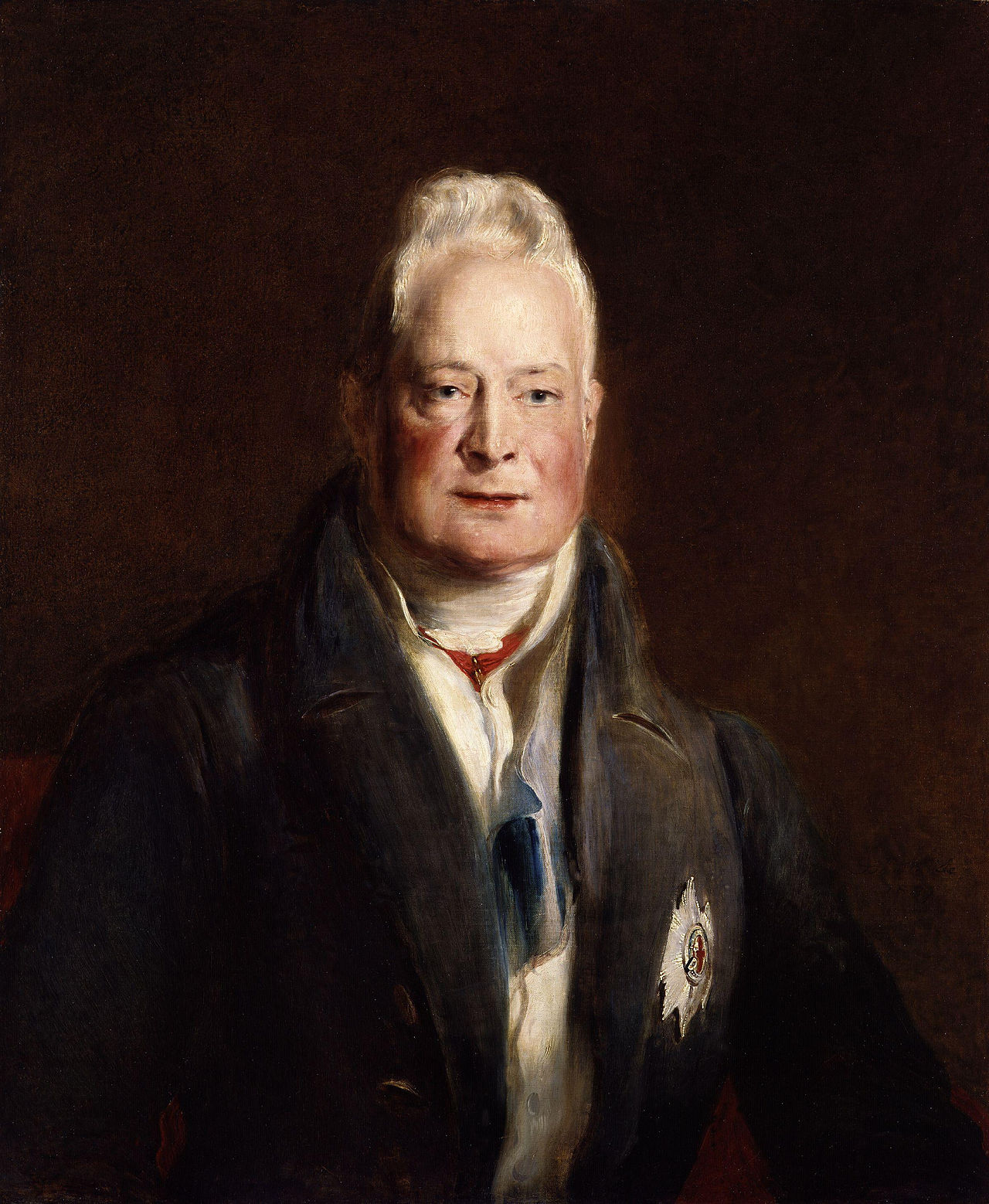
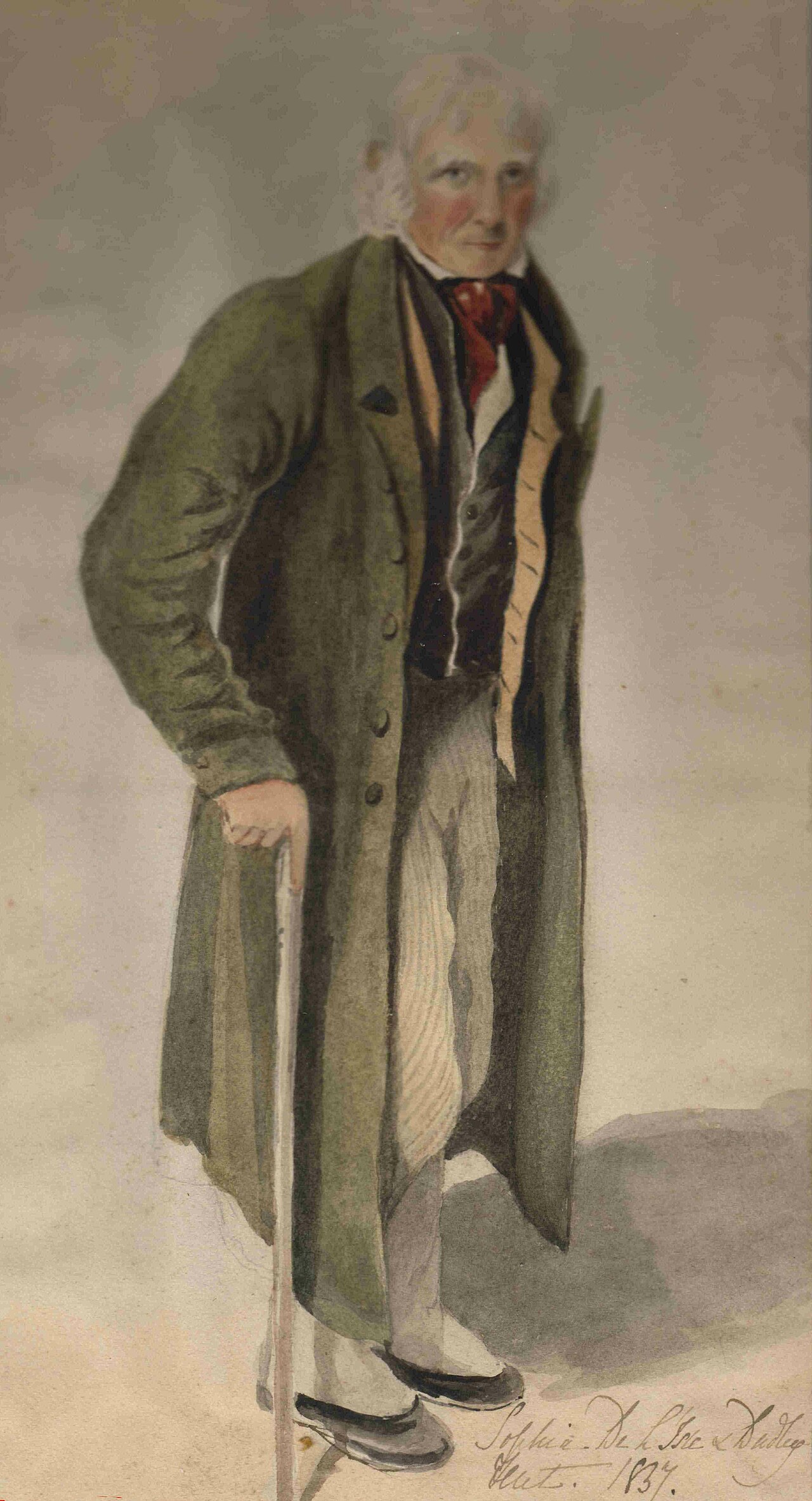
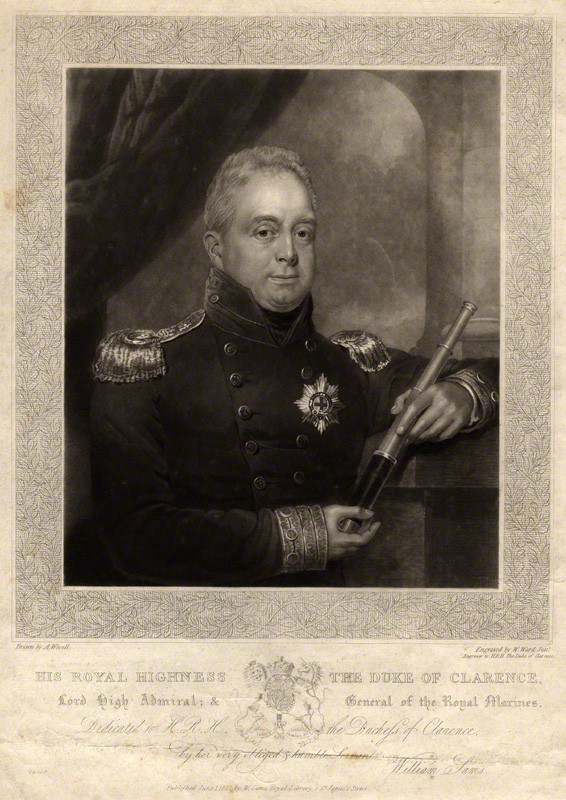
Her father was the future monarch often referred to as William IV before his accession. Her mother, Adelaide of Saxe-Meiningen, became queen when William assumed the throne in 1830. The couple’s attempts to produce surviving legitimate heirs were unsuccessful: besides Princess Charlotte, the household records note several other children who either died in infancy or were stillborn. Royal births at this period were often private affairs and the loss of infants—even within ruling families—was not unusual.
Historical context and significance
The short life of Princess Charlotte must be seen against wider early 19th-century realities. High infant mortality rates affected all social classes, including royalty. Politically, the lack of surviving legitimate children of William and Adelaide had constitutional consequences: when William died in 1837 without legitimate heirs, the crown passed to his niece, the future Queen Victoria. Thus, the deaths of William’s children contributed indirectly to the succession that shaped mid-Victorian Britain.
Siblings and related births
- Records refer to a younger daughter, sometimes named Elizabeth of Clarence.
- Several pregnancies are recorded as resulting in stillbirths or infants who died soon after birth.
- These repeated losses were a source of private grief for the royal couple and a public reminder of the precariousness of dynastic continuity.
Legacy and common confusions
Because her life was so brief, Princess Charlotte of Clarence left no public legacy in the usual sense. She is distinct from other notable royal Charlottes of the era, such as Princess Charlotte of Wales (1796–1817), whose death provoked a national outpouring of mourning and triggered dynastic concern. Historians and genealogists mention Princess Charlotte of Clarence primarily when tracing the immediate family of William IV and Queen Adelaide and when discussing the chain of succession that led to Queen Victoria’s accession.
The case of Princess Charlotte underscores both the human tragedies within ruling families and their broader dynastic ramifications. Her brief existence is recorded as a factual note in the genealogy of the House of Hanover and in contemporary announcements, and it serves as a reminder of the personal dimensions behind public history.
Author
AlegsaOnline.com Princess Charlotte of Clarence (1819) Leandro Alegsa
URL: https://en.alegsaonline.com/art/128986