
Pope Urban IV (Jacques Pantaléon)
Pope Urban IV (c.1195–1264), born Jacques Pantaléon, led the Roman Catholic Church from 1261 to 1264. His brief pontificate instituted the Feast of Corpus Christi and influenced Angevin policy in Italy.
Overview
Pope Urban IV (Latin: Urbanus Quartus), born Jacques Pantaléon about 1195, served as head of the Roman Catholic Church from 1261 until his death on October 2, 1264. He is conventionally numbered as the 183rd pope. Urban IV's short pontificate is remembered for liturgical innovation and active engagement in the political struggles of mid‑13th century Europe.
Image gallery
4 Images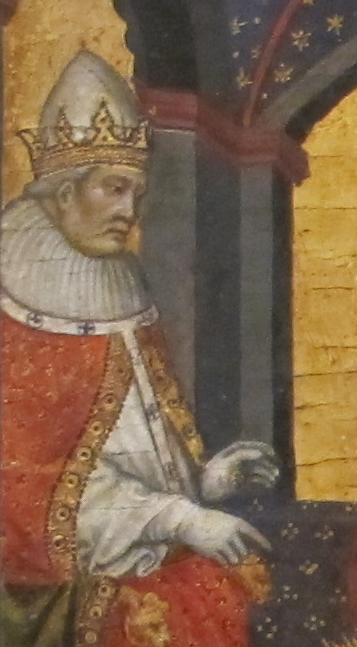


Early life and clerical career
Jacques Pantaléon came from modest origins and entered ecclesiastical service where he gained experience in administration and diplomacy. Records associate him with positions in the papal chancery and with episcopal responsibilities before his election. Contemporary accounts emphasize his practical knowledge of church government and canon law, qualities that influenced his leadership after becoming pope. He had long been known as a capable cleric and administrator.
Pontificate: priorities and actions
Urban IV's pontificate combined pastoral concerns, liturgical patronage and political intervention. His most enduring achievement was the formal establishment of the Feast of Corpus Christi in 1264, commissioning theological and liturgical material for the new observance. He asked leading theologians of the day to prepare texts and promoted the feast as a public celebration of the Eucharist.
Politics and international relations
Urban IV governed during a turbulent era marked by conflict between papal interests, the Hohenstaufen emperors and regional rulers in Italy and France. He supported efforts to curb imperial influence in Italy and threw papal weight behind allies whose aims aligned with Rome. His decisions shaped the balance of power in southern Italy and influenced the crusading and diplomatic agendas of Western Christendom.
Legacy and notable facts
- Instituted the Feast of Corpus Christi, an addition to the Western liturgical calendar still observed by many Christian communities.
- Exercised active diplomacy to protect papal authority amid competing secular powers.
- Remembered as a pragmatic administrator whose brief reign left a lasting liturgical legacy.
Urban IV's death in 1264 ended a compact but consequential papacy. Scholars continue to study his reforms and political choices for what they reveal about the evolving role of the papacy in the high Middle Ages. For further general context on his life and times see election and papacy.
Author
AlegsaOnline.com Pope Urban IV (Jacques Pantaléon) Leandro Alegsa
URL: https://en.alegsaonline.com/art/128940