
Pope Pius I: Bishop of Rome in the mid-2nd century
Pope Pius I served as Bishop of Rome in the mid-2nd century (traditionally c.140–154). Early sources link him with pastoral leadership and opposition to certain heterodox groups; he is venerated in ancient church lists.
Overview
Pope Pius I is traditionally numbered among the early bishops of Rome and is commonly listed as the 10th pope of the Christian church. Ancient chronologies place his episcopate in the mid-2nd century, typically given as about 140–154. Later church writers present him as a pastoral leader who worked to maintain doctrinal unity in a period of rapid growth and diverse theological claims.
Image gallery
2 Images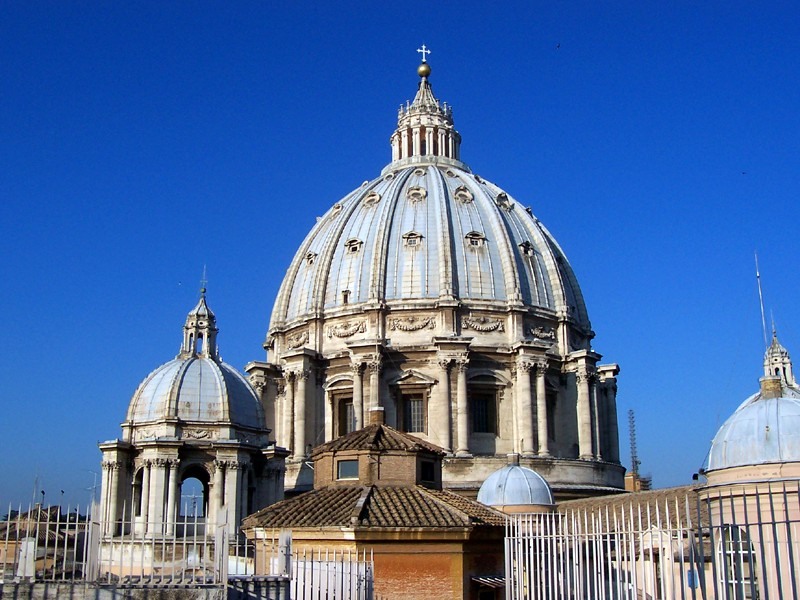

Sources and historical reliability
Knowledge of Pius I comes almost entirely from later Christian writers and ecclesiastical compilations. Important testimonies include the Liber Pontificalis, the histories of Eusebius, and references in theological works such as those of Irenaeus. These sources were written decades or centuries after his death, so scholars treat details about his life and actions with caution and often distinguish between established facts and later tradition.
Pontificate and concerns
Surviving accounts suggest that Pius I was engaged in preserving orthodox teaching and addressing groups regarded as heretical by the emerging Catholic hierarchy. Early church historians portray his role as one of pastoral oversight, liturgical regulation, and defense of the Christian community in Rome against doctrinal disruptions. Specific administrative acts or decrees attributed to him are not well documented and remain the subject of scholarly debate.
Veneration and legacy
Pius I is remembered in the traditional lists of Roman bishops and is honored as a saint in ancient liturgical calendars. His memory has been preserved chiefly through ecclesiastical tradition rather than through contemporary documents. Because he served during a formative era for Christian doctrine and organization, his episcopate is often cited as part of the continuity linking the apostolic generation to later church structures.
Notable points and distinctions
- Traditional origin: Some manuscripts describe him as Roman or of Italian origin; such statements are part of later biographical tradition.
- Historical caution: Few contemporary records survive, so many later attributions are provisional.
- Reception: He is commemorated in ancient lists and hagiographies and figures in discussions of early church order.
For introductory summaries and references to primary compilations, see standard works on early papal chronology and patristic histories. Readers may consult ecclesiastical source collections for the original testimonies and for scholarly commentary on their reliability. Additional context about the early Roman church can be found via general overviews of second-century Christianity and the development of episcopal authority. Related entries: Roman Christian communities; the office of the Bishop of Rome.
Author
AlegsaOnline.com Pope Pius I: Bishop of Rome in the mid-2nd century Leandro Alegsa
URL: https://en.alegsaonline.com/art/128920