
Pope Leo VI
Pope from June 928 to early 929. Traditionally linked to the Sanguini family and formerly cardinal‑priest of Santa Susanna, his brief pontificate took place during a turbulent phase of 10th‑century Roman politics.
Overview
Pope Leo VI served as bishop of Rome for a short period in the late spring and winter of 928–929. He was the head of the Roman Catholic Church for only months before his death. Contemporary narrative is sparse; what survives about Leo VI is limited to a few administrative notes and later catalogues of popes. Tradition associates him with a Roman family called the Sanguini, but firm biographical detail is lacking.
Image gallery
2 Images
Background and election
Prior to his elevation to the papacy, Leo VI is recorded as having been the cardinal‑priest of the titulus of Santa Susanna in Rome. His election took place in June 928 during a period when local aristocratic families and military leaders exerted strong influence over papal succession. The quick turnover of pontiffs in this era reflects the unstable political circumstances in Rome and the Italian peninsula.
Pontificate and historical context
Leo VI’s pontificate lasted only until early 929. Because surviving documents from his reign are scarce, there is little firm record of reforms, major assemblies, or distinctive acts attributed to him. His brief tenure is best understood against the backdrop of the so‑called tenth‑century papal instability: a succession of short pontificates, competing noble factions in Rome, and intermittent interference from powerful families. These broader dynamics shaped the papacy more than the individual initiatives of several popes of the period.
Death, burial and succession
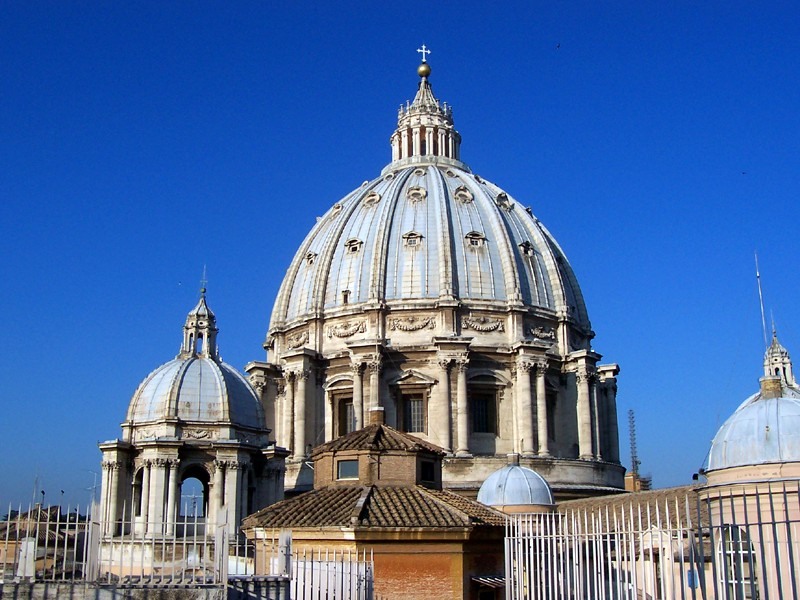
Leo VI died in early 929; many standard lists record his death in February or March of that year, though some later sources give differing dates. He was buried in St. Peter’s, a customary resting place for popes of the era, and was succeeded by Pope Stephen VII. Accounts of his burial and epitaph are not well preserved in contemporary records, and later summaries repeat only established cataloguing information.
Significance and notable facts
- Traditionally linked to the Roman Sanguini family, though genealogical evidence is limited.
- Held the title of cardinal‑priest of Santa Susanna before becoming pope.
- His brief reign illustrates the instability of the papacy during the early 10th century.
- Burial is recorded at St. Peter's Basilica, following common practice for popes.
For readers seeking consolidated lists and chronological details of popes from this period, standard ecclesiastical catalogues and modern scholarly summaries provide comparative dates and discussion of source reliability. Further archival evidence for Leo VI is limited, and most modern accounts emphasize context over individual achievements for his short pontificate.
Author
AlegsaOnline.com Pope Leo VI Leandro Alegsa
URL: https://en.alegsaonline.com/art/128908