
Pope Hormisdas (c. 450–523)
Pope from 514 to 523 who played a central role in restoring communion between Rome and Constantinople; born in Frosinone and traditionally venerated as a saint.
Overview
Pope Hormisdas led the Roman Church from 20 July 514 until his death on 6 August 523. His pontificate is best known for resolving a long-standing division between the sees of Rome and Constantinople, commonly referred to as the Acacian Schism. He succeeded Pope Symmachus and was followed by Pope John I.
Image gallery
3 Images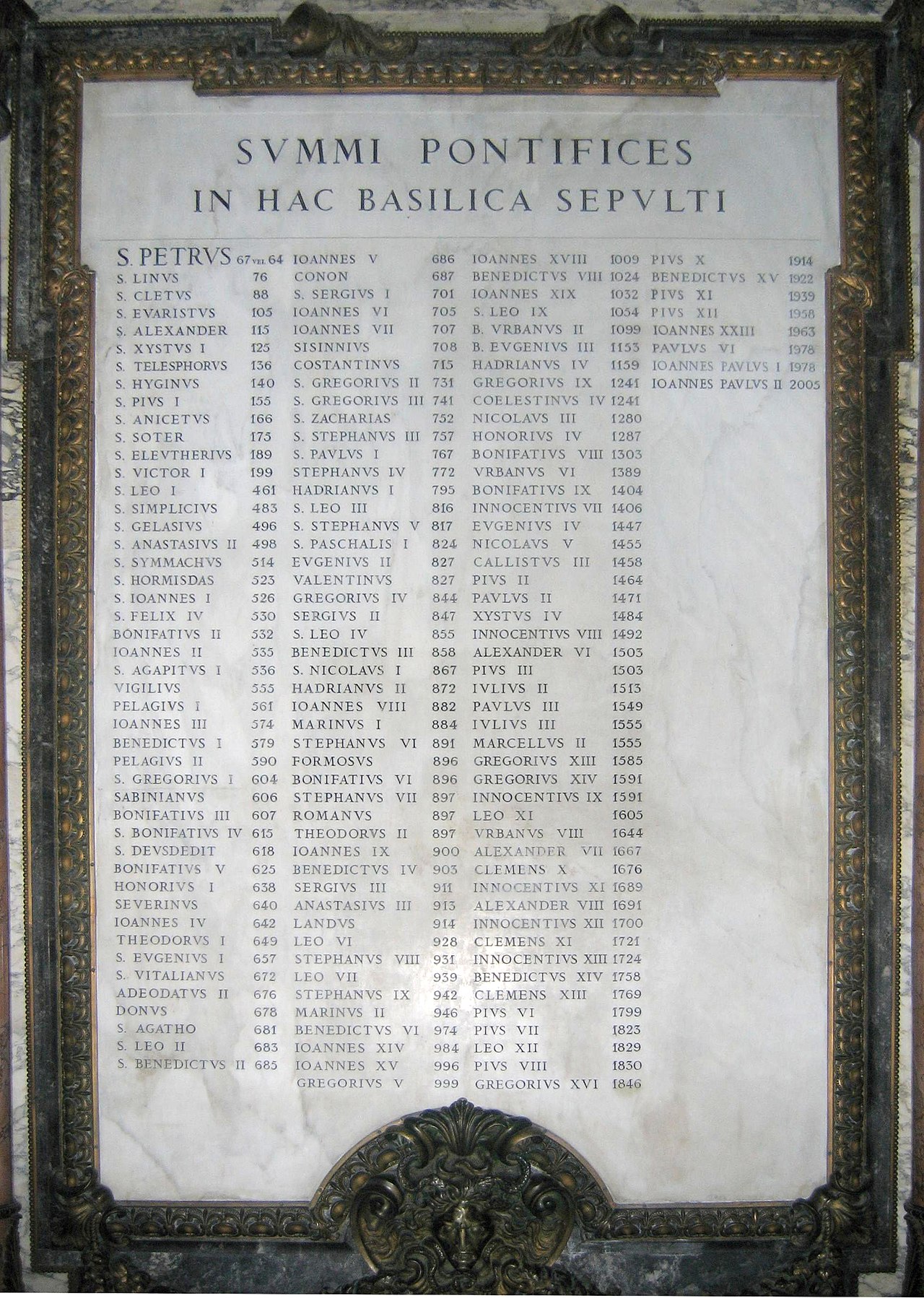

Background and early career
Hormisdas was born around 450 in the town of Frosinone in the region around Rome. Before his election he had a long association with the Roman clergy and the curial administration. His election reflected the church's preference at the time for leaders able to combine pastoral care with diplomatic skill.
Papacy and the Acacian Schism
One of Hormisdas's principal objectives as pope was to end the rupture that had separated the Western and Eastern churches since the late fifth century. He negotiated with the Byzantine imperial court and with leaders in Constantinople, pressing for explicit recognition of the primacy of the Roman See and the repudiation of previous compromises viewed in Rome as illegitimate. The agreement that emerged during his pontificate is often called the "Formula of Hormisdas," a declaration requiring acceptance of Rome's doctrinal positions as a condition for reunion.
Diplomacy and relations with the East
Hormisdas conducted careful diplomacy with Emperor Justin I and the patriarchs and clergy of the East. His letters and official replies were instruments of policy as well as theology: they combined firm statements about ecclesiastical authority with offers of restored communion once the terms were accepted. The settlement reached during his years as pope helped to reestablish formal ties between the churches of East and West.
Legacy and veneration
Hormisdas is traditionally regarded as a saint in the Roman Catholic tradition and is remembered for strengthening papal influence through doctrinal clarity and negotiation. His correspondence and the formulas associated with his name were cited in later disputes about authority and unity. He is part of the chronological lists of popes, where his pontificate is recorded between Symmachus and John I. For basic chronology see papal lists, for his successor see John I, for his birthplace see Frosinone and the broader region of Italy.
Documents and historical note
Surviving letters and official statements from Hormisdas are studied by historians of late antiquity and the early medieval church for what they reveal about theology, canon law, and diplomatic practice. While the details of some negotiations are preserved only in later sources, his role as the pope who brokered reunion remains a central part of his historical reputation.
Author
AlegsaOnline.com Pope Hormisdas (c. 450–523) Leandro Alegsa
URL: https://en.alegsaonline.com/art/128883