
Philip II of France (Philip Augustus)
Capetian king who reigned 1180–1223, expanded royal territory, strengthened administration, and secured victory at Bouvines shaping medieval France's monarchy and institutions.
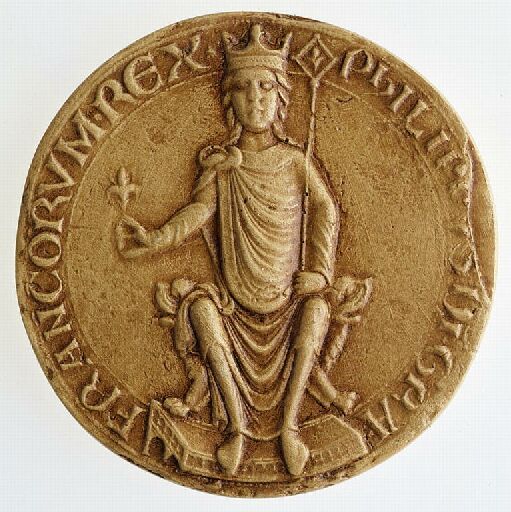
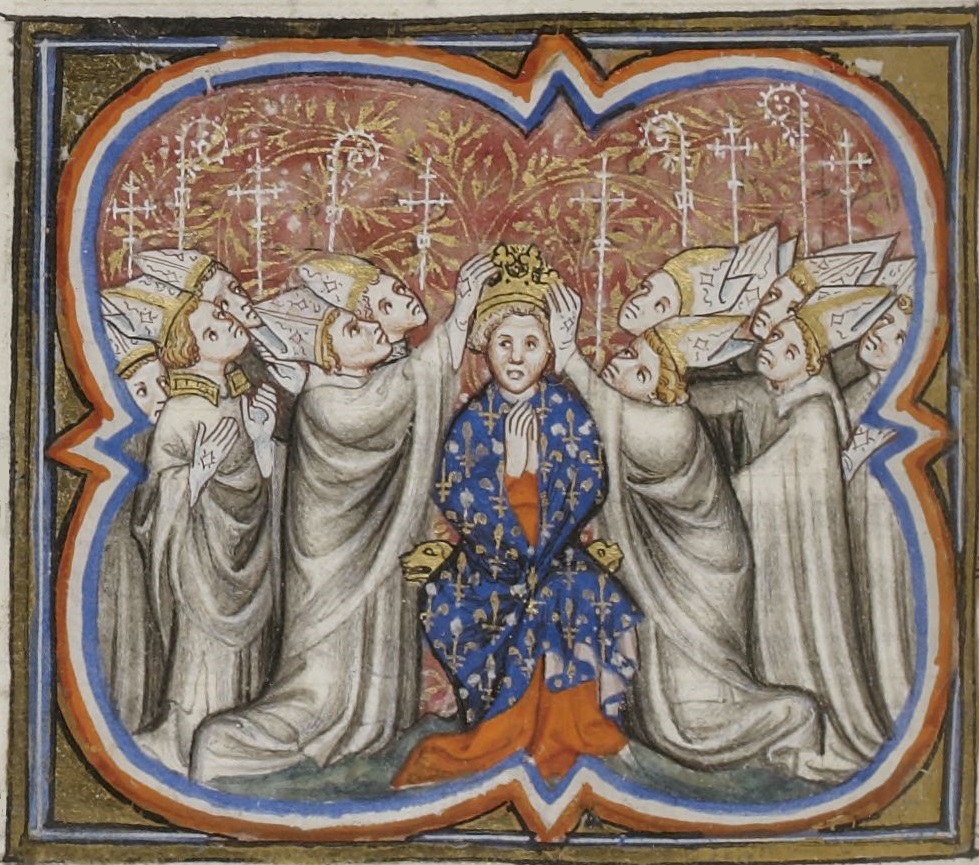
Philip II (1165–1223), commonly called Philip Augustus, was King of France from 1180 until his death. His long reign transformed the Capetian monarchy: through military campaigns, legal and financial reforms, and shrewd diplomacy he enlarged the royal domain and increased the crown's authority over the feudal nobility.
Born to Louis VII and Adèle of Champagne, Philip assumed the throne as a young man and secured his position by marriage and alliance. Early in his reign he married Isabella of Hainault, which brought valuable lands and ties. He took part in the Third Crusade but returned to France sooner than some peers, a decision that led to shifting relationships with the Angevin rulers of England.
Image gallery
10 Images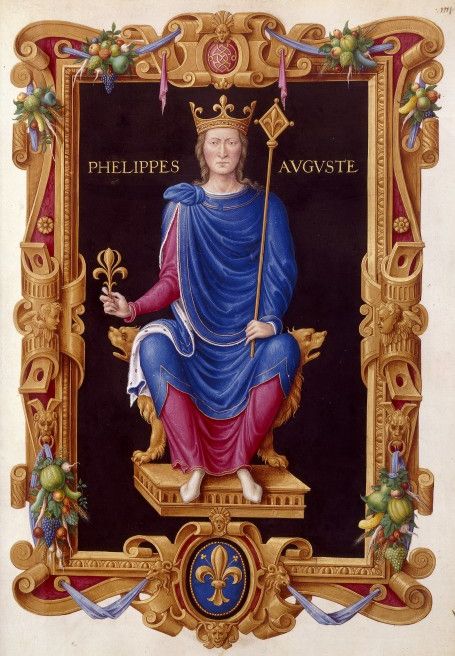




Territorial expansion and military action
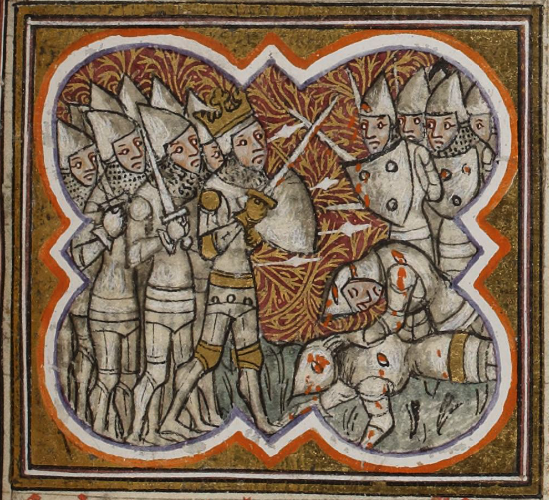
Philip capitalized on divisions among the Angevin kings (Henry II, Richard I, and John) to recover large portions of Normandy, Anjou and other continental territories from English control. His most celebrated military achievement was the victory at the Battle of Bouvines in 1214, where a coalition against him was decisively defeated—an event often seen as securing Capetian dominance in France and weakening rival claims.
Administration, finance and Paris
Beyond warfare, Philip reorganized royal government. He strengthened royal justice by expanding itinerant officials and relying on appointed agents (bailiffs and provosts) to enforce law and collect revenue. He improved financial administration, used confiscations and taxation more systematically, and invested in urban defenses and royal works—most famously the keep of the Louvre and fortifications of Paris.
Religion, marriages and diplomacy
Philip's reign involved notable ecclesiastical disputes, especially over his treatment of queens and papal interventions. His marital controversies (notably with Ingeborg of Denmark and subsequent unions) brought him into recurrent conflict with the papacy. Nonetheless he used alliances, marriages, and negotiated settlements to advance royal interests across Europe.
Legacy and significance
Philip II is widely regarded as a pivotal figure in the emergence of a more centralized French monarchy. By enlarging the royal domain, reforming administration, and demonstrating effective kingship on the battlefield and in diplomacy, he laid foundations on which later Capetian rulers would build. His reign marked a turn toward stronger royal institutions and a more cohesive territorial state.
Key events and facts
- Reign: 1180–1223; birth and death: 1165 and 1223.
- Nickname: "Augustus," a praise-style epithet reflecting his successes.
- Participated in the Third Crusade; returned to France prior to its conclusion.
- Won the Battle of Bouvines (1214), a decisive moment for Capetian authority.
- Initiated major royal building projects in Paris, including the early Louvre fortress.
Author
AlegsaOnline.com Philip II of France (Philip Augustus) Leandro Alegsa
URL: https://en.alegsaonline.com/art/128678