
Philippe Couillard: Quebec neurosurgeon, academic and former premier
Philippe Couillard (born 1957) is a Quebec neurosurgeon, former university professor and politician who led the Quebec Liberal Party and served as Premier of Quebec from 2014 to 2018.
Philippe Couillard (born June 26, 1957) is a Canadian physician-turned-politician best known for leading the Quebec Liberal Party and serving as the 31st Premier of Quebec from 2014 until his party’s defeat in 2018. A francophone public figure, he combined a medical and academic background with several years in provincial politics, which shaped his priorities on health care, public finances and administration.
Image gallery
3 Images

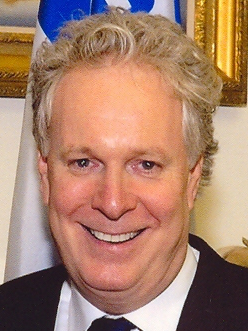
Background and medical career
Before entering full-time politics, Couillard trained and practised as a neurosurgeon and held academic appointments at Quebec universities. His clinical experience and teaching roles gave him subject-matter credibility when he later took responsibility for provincial health policy. He is often described as bringing a clinician’s perspective to administrative and budgetary decisions.
Political rise and government roles
Couillard first served in Quebec’s provincial government in senior cabinet roles, including as Minister of Health in the 2000s. After stepping away from politics for a period to return to medicine and academia, he was elected leader of the Quebec Liberal Party in 2013 and became premier following the 2014 provincial election. His administration emphasized fiscal management, infrastructure investment and reforms intended to improve the delivery of public services.
Premiership and 2018 election
As premier, Couillard faced competing pressures: maintaining publicly funded health and social programs while pursuing balanced budget objectives. His government introduced measures intended to control spending and stimulate economic growth, decisions that attracted both support and criticism. In the 2018 provincial election the Liberals were defeated by François Legault’s Coalition Avenir Québec (CAQ), and Couillard stepped down as party leader thereafter.
Significance and post-political life
Couillard is notable as a rare example of a medical specialist who rose to a province's highest political office. His tenure is often discussed in the context of health-care policy, fiscal consolidation and the changing landscape of Quebec politics in the 2010s. After leaving elected office he returned to private life, occasionally contributing commentary on public affairs and health systems.
Notable facts
- Professionally trained as a neurosurgeon and university professor.
- Served as Quebec’s Premier from 2014 to 2018 and led the Quebec Liberal Party.
- Previously held cabinet responsibilities related to health policy in the provincial government.
- Associated with policy goals that combined public-sector reform and fiscal restraint.
For official biographical details and public statements, consult government and party sources such as Quebec government materials, academic profiles like university pages, and media or archival records compiled at news and reference outlets.
Author
AlegsaOnline.com Philippe Couillard: Quebec neurosurgeon, academic and former premier Leandro Alegsa
URL: https://en.alegsaonline.com/art/128648