
Peter Robinson (Northern Irish politician)
Northern Irish unionist politician, long-time DUP leader and former First Minister of Northern Ireland, noted for his role in post-Good Friday Agreement governance and unionist politics.
Overview
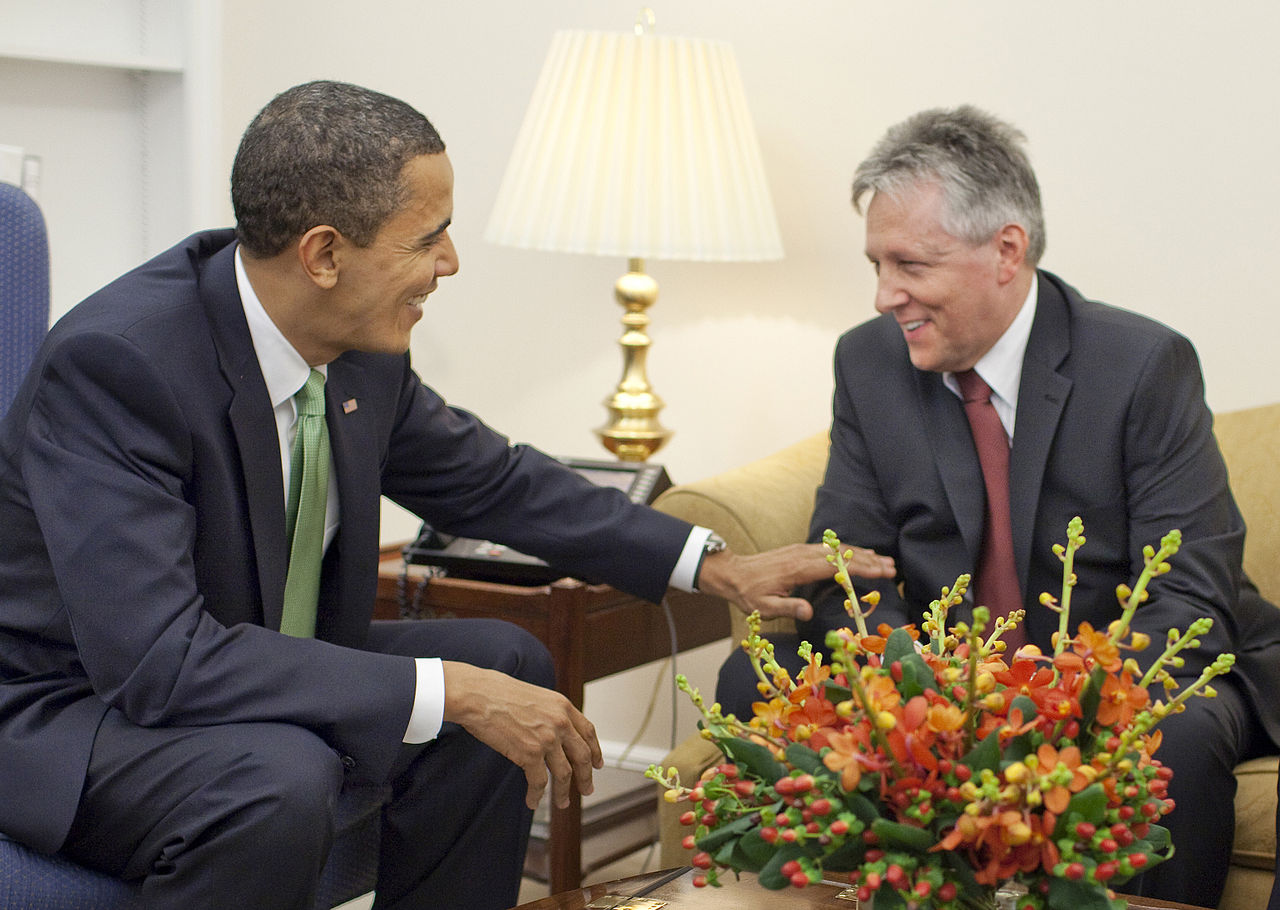
Peter David Robinson, born 29 December 1948 in Belfast, is a Northern Irish unionist politician best known for leading the Democratic Unionist Party (DUP) and serving as First Minister of Northern Ireland. He has been a prominent figure in unionist politics for several decades, representing constituencies in both the UK Parliament and the Northern Ireland Assembly and playing an influential role in the region's devolved institutions.
Image gallery
6 Images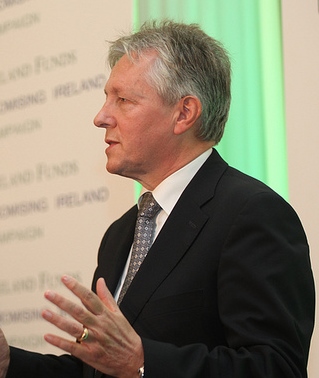




Background and early life
Raised in Belfast, Robinson entered politics in the context of the Troubles and the evolving constitutional dispute over Northern Ireland's status. He emerged within the DUP, a party founded on a conservative and pro-union platform, and built a career characterized by attention to local constituency issues and the concerns of working-class unionist communities.
Political career and roles
Robinson's career spans service at Westminster and Stormont. He held elected office for many years and rose to party leadership following the retirement of an earlier DUP leader. As party leader and First Minister he was a central participant in the institutions created by the Good Friday Agreement, negotiating power-sharing arrangements and coalition governance with nationalist partners.
Policies, style and significance
As a politician Robinson promoted traditional unionist positions and socially conservative policies, while also emphasizing economic and local-service issues important to his electorate. His tenure is notable for guiding his party through a period of transition from protest politics toward government responsibility within Northern Ireland's devolved institutions.
Controversy and legacy
Robinson's career included public controversies that attracted media attention and formal inquiries, including a family-related financial and personal scandal that prompted investigations and a temporary leave from front-line duties. Despite such episodes, he remains a significant figure in late 20th and early 21st-century Northern Irish politics, remembered for his organizational role in the DUP and his part in the region's post-conflict governance.
Further notes
- Robinson's leadership shaped the DUP's move from opposition into sustained participation in devolved government.
- His career illustrates the tensions unionist leaders navigated between constituency demands, party strategy, and the compromises required by power-sharing.
- For more detailed biographical and political information see party and regional sources: DUP, Northern Ireland, and local histories of Belfast.
Author
AlegsaOnline.com Peter Robinson (Northern Irish politician) Leandro Alegsa
URL: https://en.alegsaonline.com/art/128558