
Peter George Peterson (1926–2018)
American businessman, investment banker, public official and philanthropist; U.S. Secretary of Commerce (1972–1973) and founder of the Peter G. Peterson Foundation focused on fiscal policy and national debt awareness.
Peter George Peterson (June 5, 1926 – March 20, 2018) was an American businessman, investment banker, government official and philanthropist. He is widely remembered for his blend of private-sector experience and public-policy advocacy. Peterson served briefly in the Nixon administration and later devoted substantial resources to public education and research on fiscal policy and the long-term sustainability of government finances.
Image gallery
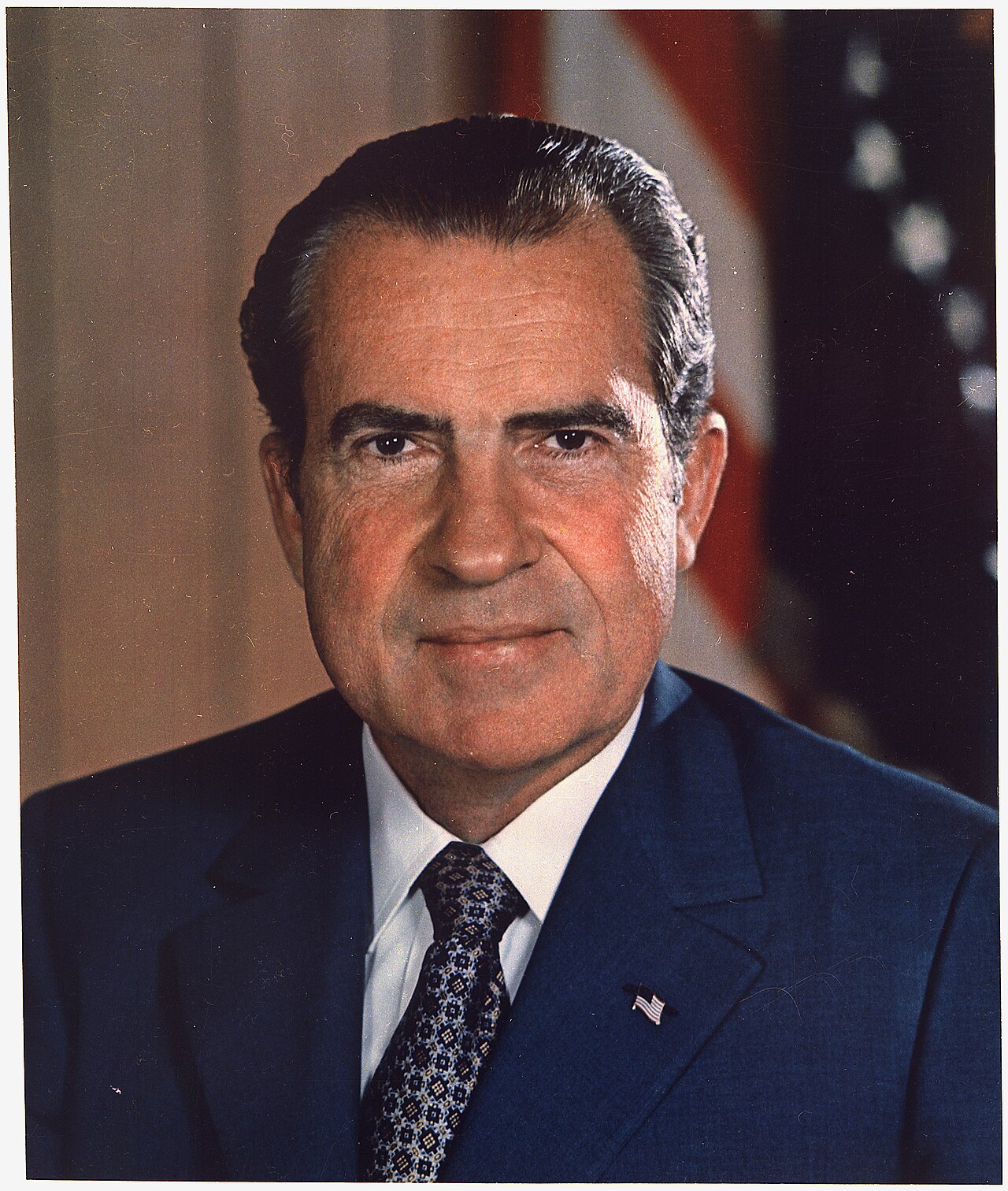
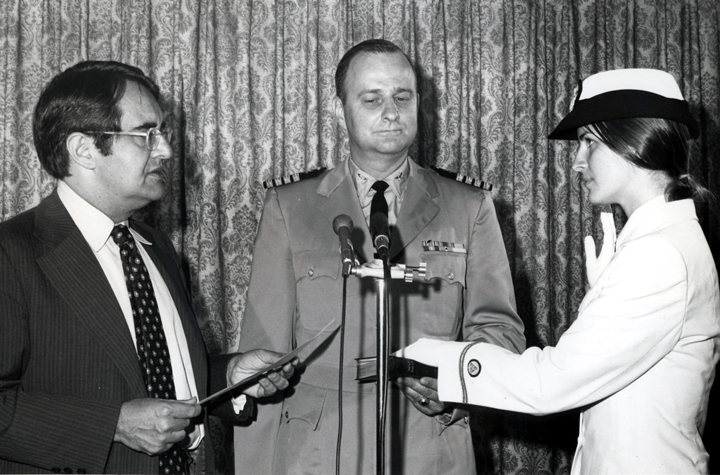
4 Images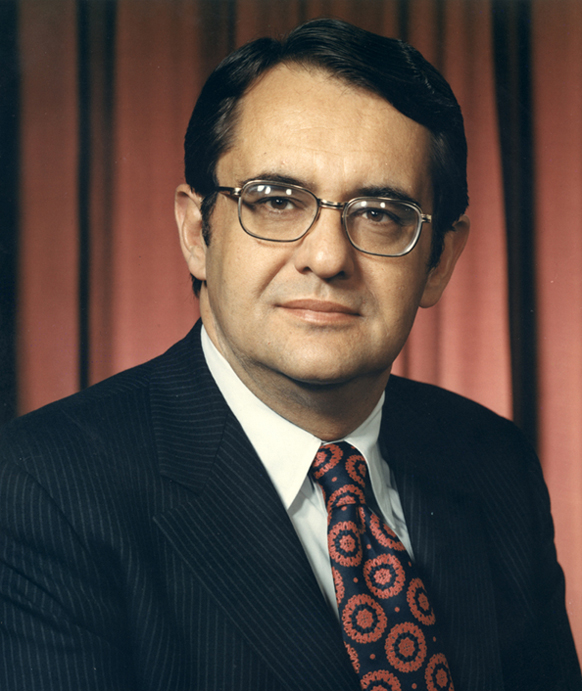

Career and public service
Peterson spent much of his career in finance before entering government. He served as United States Secretary of Commerce from February 29, 1972 to February 1, 1973. After returning to the private sector he continued to move between business and public affairs, bringing a fiscal-conservative perspective to debates over taxation, spending and national debt. His background in investment banking and corporate leadership shaped his approach to policy issues.
Philanthropy and policy work
Peterson established and was the principal funder of the Peter G. Peterson Foundation, an organization that has supported research, public outreach and nonpartisan analysis on economic challenges facing the United States. The foundation's work emphasized deficits, the national debt, entitlement reform and long-term fiscal sustainability. Through grants, public events and media campaigns, it sought to elevate discussion of these issues in civic and policy circles.
Writings and influence
As an author and speaker, Peterson addressed fiscal policy, governance and the responsibilities of public life. He was often described as a leading voice among donors who engage directly in policy debates; at one point he was named among the most influential billionaires in U.S. politics. His interventions combined financial expertise with a preference for market-based reforms and tighter controls on public spending.
Notable facts and legacy
- Key roles: investment banker, corporate executive, and U.S. Secretary of Commerce (Secretary of Commerce).
- Founder of the Peter G. Peterson Foundation, which focuses on fiscal education and policy analysis (foundation and public-policy work).
- Recognized for his significant philanthropic funding of policy research and civic campaigns, and for influencing public debate on the national debt.
Peterson died on March 20, 2018 at his Manhattan apartment at the age of 91. He left a notable imprint on both the business world and public policy debates through a mix of private-sector leadership, brief government service, and sustained philanthropic engagement aimed at improving public understanding of economic and fiscal challenges.
Author
AlegsaOnline.com Peter George Peterson (1926–2018) Leandro Alegsa
URL: https://en.alegsaonline.com/art/128499