
Paul Wolfowitz: U.S. policymaker, World Bank president, and foreign policy strategist
Paul Wolfowitz (born 1943) is an American political scientist and diplomat known for senior U.S. defense roles, leadership at the World Bank, advocacy of Iraq policy, and a resignation tied to an ethics controversy.
Overview
Paul Dundes Wolfowitz (born December 22, 1943) is an American political scientist, diplomat and public official. Over several decades he occupied prominent posts in both the U.S. government and international institutions. He is widely recognized for his influence on U.S. defense policy in the late 20th and early 21st centuries and for a brief presidency of the World Bank marked by ethics controversy.
Image gallery
10 Images



Major roles and career path
Wolfowitz's career spans government service, academic leadership and international finance. Notable positions include:
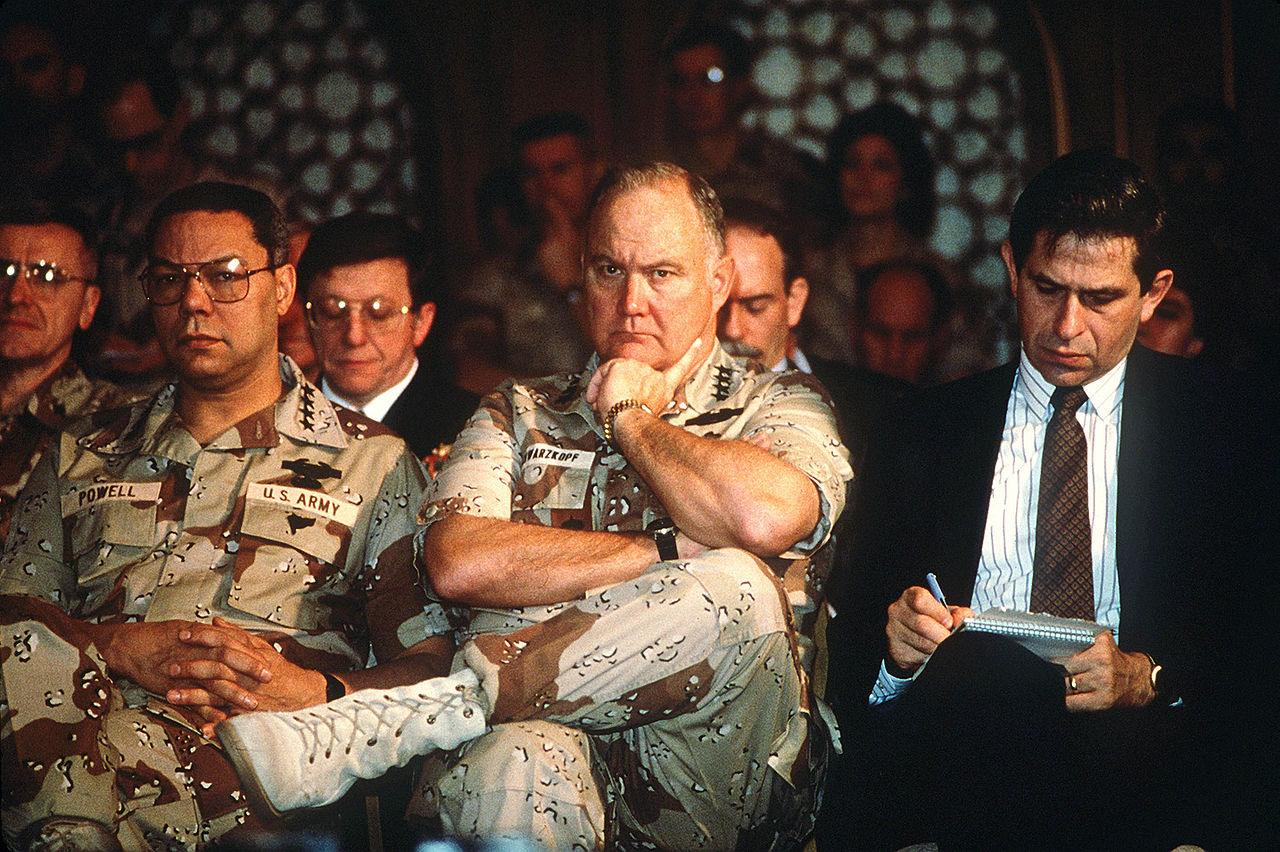
- U.S. Deputy Secretary of Defense and senior policy adviser in the Department of Defense, where he was a leading voice on strategic planning and Iraq policy.
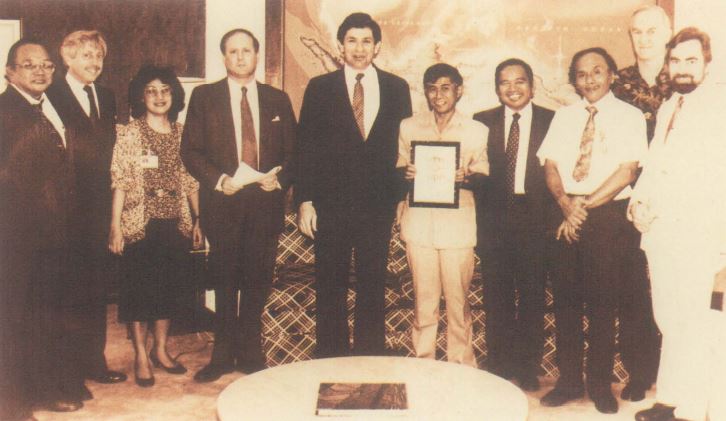
- United States Ambassador to Indonesia, a senior diplomatic post earlier in his career.
- President of the World Bank, a short tenure in which institutional governance and personal ethics issues became focal points. See the World Bank entry: World Bank.
- Dean of the Paul H. Nitze School of Advanced International Studies, with ties to Johns Hopkins University: SAIS dean information and Johns Hopkins.
Intellectual approach and political alignment
Wolfowitz is often associated with the neoconservative school of foreign policy thought, a label used in public debates about his support for assertive U.S. action abroad. Observers describe him as an advocate for policies that emphasize the promotion of democratic institutions and the use of U.S. power to deter threats and transform regimes deemed dangerous; critics argue this approach underestimates the risks of military interventions. A general introduction to this current of thought can be found here: neoconservatism.
Controversy and resignation
Wolfowitz's presidency at the World Bank ended amid controversy. Investigations and public scrutiny focused on his handling of personnel decisions involving a staff member with whom he had a personal relationship. Critics and internal reviewers concluded that actions taken showed a lapse in upholding the institution's conflict-of-interest rules. Facing sustained criticism and pressure from stakeholders, he resigned from the post after only a short period.
Legacy and assessment
Assessments of Wolfowitz vary. Supporters note his intellectual rigor, long service in government and commitment to reshaping security policy after the Cold War. Detractors criticize the aggressive elements of his foreign-policy prescriptions and the ethical questions that clouded his later administrative role. His career remains a touchstone in discussions about the intersection of ideology, policy-making and institutional ethics.
Notable distinctions
- Known for shaping debates about U.S. strategy and the use of military force in the post–Cold War era.
- Served in high-level diplomatic and financial posts uncommon for a single career.
- His World Bank tenure is frequently cited in discussions of governance standards in international organizations.
Author
AlegsaOnline.com Paul Wolfowitz: U.S. policymaker, World Bank president, and foreign policy strategist Leandro Alegsa
URL: https://en.alegsaonline.com/art/128371