
Paul Karrer: Swiss Chemist and Nobel Laureate in Vitamin Research
Paul Karrer (1889–1971), Swiss chemist noted for pioneering studies of carotenoids, flavins and vitamins; co-recipient of the 1937 Nobel Prize in Chemistry for his work on vitamin chemistry.
Paul Karrer (21 April 1889 – 18 June 1971) was a Swiss chemist whose research helped clarify the chemistry of vitamins and related natural pigments. He is best known for experimental work that illuminated the structures and reactions of carotenoids and flavin compounds, and for contributions that advanced understanding of vitamins such as vitamin A and riboflavin. In 1937 he shared the Nobel Prize in Chemistry with Norman Haworth for achievements in the field of vitamin chemistry and related organic compounds.
Image gallery
2 Images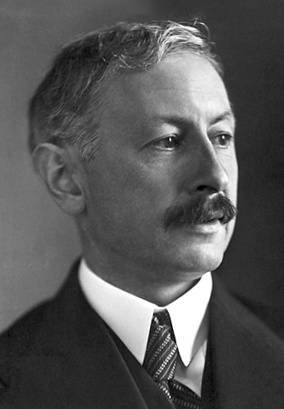

Scientific contributions
Karrer’s investigations combined careful isolation, chemical degradation and synthesis to reveal how complex natural molecules are built and interconvert. His studies on carotenoids — the pigments responsible for yellow, orange and red colors in many plants — clarified their molecular frameworks and how they relate to vitamin A. He also explored flavins, a class of compounds that includes riboflavin (vitamin B2), contributing to the chemical characterization of these biologically important molecules.
Methods, topics and examples
- Structure elucidation of natural pigments and vitamins through degradation and synthesis.
- Relationships between carotenoids and provitamin A activity.
- Chemistry of flavin compounds and their role as cofactors in biology.
- Development of laboratory techniques used to isolate and characterize small organic biomolecules.
These lines of work had practical implications for nutrition science and medicine by providing molecular explanations for vitamin activity, enabling better analytical tests and informing the production of vitamin preparations.
Career, recognition and legacy
Karrer worked as a researcher and teacher in Switzerland and became one of the leading figures in early 20th-century organic and bio-organic chemistry. He received international recognition for his contributions, most notably the Nobel Prize in Chemistry in 1937. Today his research is regarded as foundational for modern vitamin chemistry and for the broader effort to link chemical structure with biological function.
For a biographical overview, see Paul Karrer biography. For background on the broader class of nutrients he studied, see vitamins.
Author
AlegsaOnline.com Paul Karrer: Swiss Chemist and Nobel Laureate in Vitamin Research Leandro Alegsa
URL: https://en.alegsaonline.com/art/128293