
Paul Fussell: writer, cultural historian, and commentator on war and class
Overview of Paul Fussell (1924–2012), his life, major works on war and class, methods, influence on literary and cultural studies, and notable aspects of his style and reception.
Paul Fussell (March 22, 1924 – May 23, 2012) was an American cultural and literary historian, essayist, and university teacher. He wrote for both scholarly and general audiences on subjects that include the literature of war, social class in the United States, and the uses and distortions of language in modern life. His writing combined archival research, firsthand experience, and brisk commentary.
Image gallery
2 Images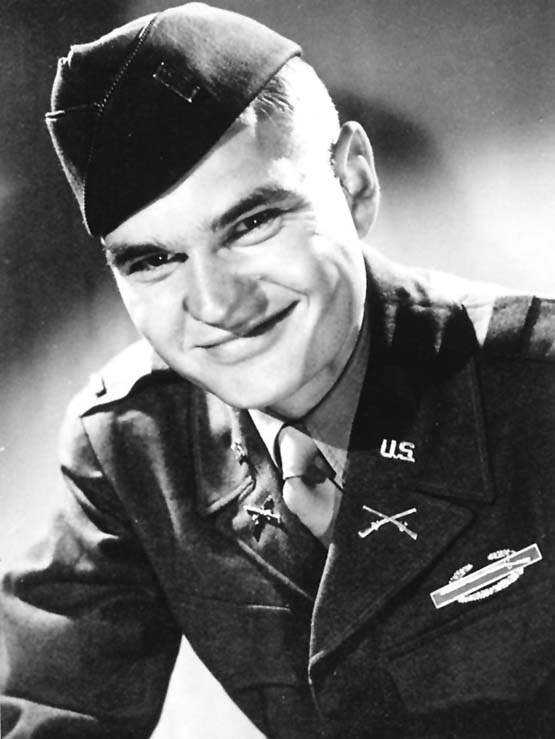

Major works and themes
Fussell is best known for a study that examined how the First World War changed literature and collective memory; he also produced widely read books about American social class and about language and taste. Recurring themes in his work are the emotional and linguistic consequences of combat, the social rituals that mark status differences, and the gap between public rhetoric and private observation.
Life and career
His wartime service as a young soldier in Europe informed much of his perspective on war, trauma, and representation. After the war he pursued higher education and taught literature and cultural history at the university level. He worked as both a literary critic and a cultural commentator, addressing readers beyond the academy.
Method and style
Fussell combined close readings of literary texts with memoir, historical documents, and social observation. His prose is often direct, pungent, and sometimes satirical; he did not shy away from blunt judgments. That tone made his books accessible to many readers while provoking debate among scholars and critics.
Influence and reception
His work helped shape later scholarship on war literature and memory studies, and it opened conversations about class and taste in modern America. While widely praised for its insights and readability, some commentators criticized his sweeping characterizations and caustic tone. Regardless, his books remain frequently cited in discussions of 20th-century literature and cultural history.
Notable facts
- He wrote for diverse audiences, bridging academic and popular forms.
- Personal wartime experience was an important source for his analyses of combat and language.
- His blunt, often humorous style contributed to both his popularity and controversy.
Author
AlegsaOnline.com Paul Fussell: writer, cultural historian, and commentator on war and class Leandro Alegsa
URL: https://en.alegsaonline.com/art/128267