
Oscar Luigi Scalfaro: Italian President and Constitutional Figure (1918–2012)
Overview of Oscar Luigi Scalfaro, ninth President of the Italian Republic (1992–1999), his career, role during Italy’s 1990s political crises, later life as senator for life, and legacy.
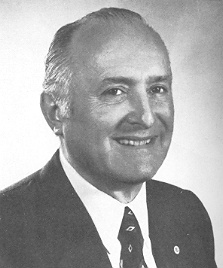
Oscar Luigi Scalfaro (9 September 1918 – 29 January 2012) was an Italian statesman who served as the ninth President of the Italian Republic from 1992 to 1999. A lawyer by training and a long-time member of the Christian Democratic tradition, Scalfaro became widely regarded as a defender of constitutional order during a decade of intense political change in Italy.
Image gallery
4 Images


Early life and political career
Born in 1918, Scalfaro entered public life in the decades after World War II. Over many years he held parliamentary office and served in government roles, gaining a reputation for legalism and institutional commitment. His training in law and his wartime and postwar experience shaped a cautious, duty-focused approach to public service.
Presidency and the crises of the 1990s
Scalfaro’s seven-year presidency coincided with a tumultuous period in Italy. In the early 1990s the country confronted large-scale political corruption investigations, violent Mafia attacks, and the collapse of several traditional parties. As head of state he was repeatedly called upon to protect constitutional institutions, to mediate between competing political forces, and to endorse or designate several prime ministers, including leaders of transitional and technocratic governments.
Constitutional role and public image
Throughout his term Scalfaro emphasized the importance of legality, civic responsibility and the independence of judicial institutions. He was often portrayed in public debate as a guardian of the republic and used the moral authority of the presidency to call for national unity and respect for democratic rules. This posture won him both praise from those who saw him as stabilizing and criticism from others who wished for braver political innovation.
Later life and legacy
After leaving the presidency in 1999 Scalfaro became a senator for life, a position reserved in Italy for former presidents and appointed life senators. In that role he continued to speak on constitutional and civic matters. He died in 2012. Historians and commentators remember him for his steadiness during a period of upheaval and for his insistence on the rule of law.
Notable aspects
- Legalist approach: a jurist’s respect for institutions shaped his decisions.
- Stability in crisis: the presidency provided continuity amid party system collapse.
- Moral authority: frequently invoked civic duty and legality in public addresses.
For further reading on his life and presidency see additional resources and contemporary accounts that place his role within the broader transformation of Italian politics in the 1990s.
Author
AlegsaOnline.com Oscar Luigi Scalfaro: Italian President and Constitutional Figure (1918–2012) Leandro Alegsa
URL: https://en.alegsaonline.com/art/127953