
Opole — regional capital on the Oder River
Opole is the largest city and administrative seat of Opole Voivodeship in southwestern Poland, known for its riverside setting, multicultural history and the annual National Festival of Polish Song.
Overview
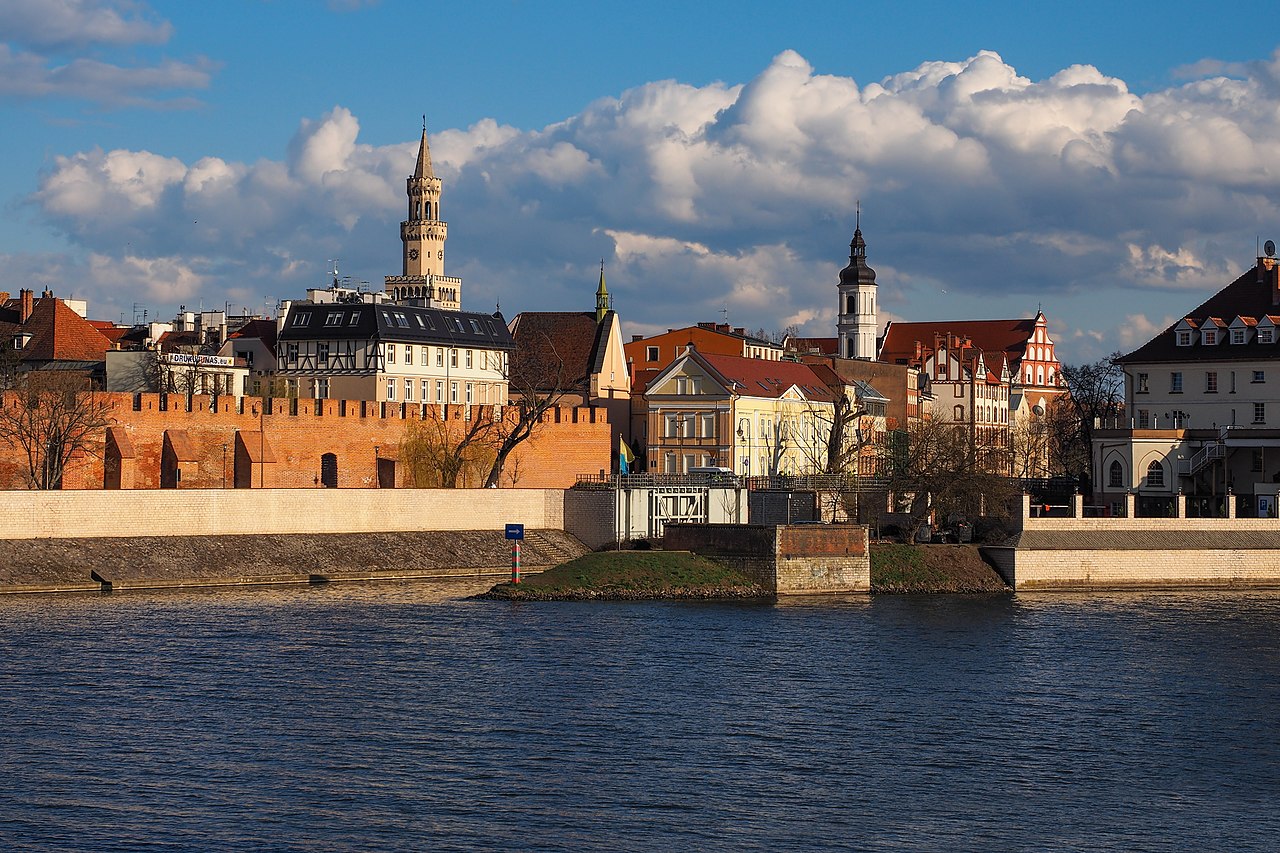
Opole is the largest city and the administrative center of Opole Voivodeship in the southwest of Poland. It sits on the banks of the Oder River and covers roughly 149 km², with a population of about 128,000 residents. The city combines an urban core with surrounding green areas and riverfronts and serves as a regional hub for administration, education and culture. Local government is headed by a mayor; current municipal leaders manage services, planning and cultural initiatives for the city.
Image gallery
10 Images


Historical background
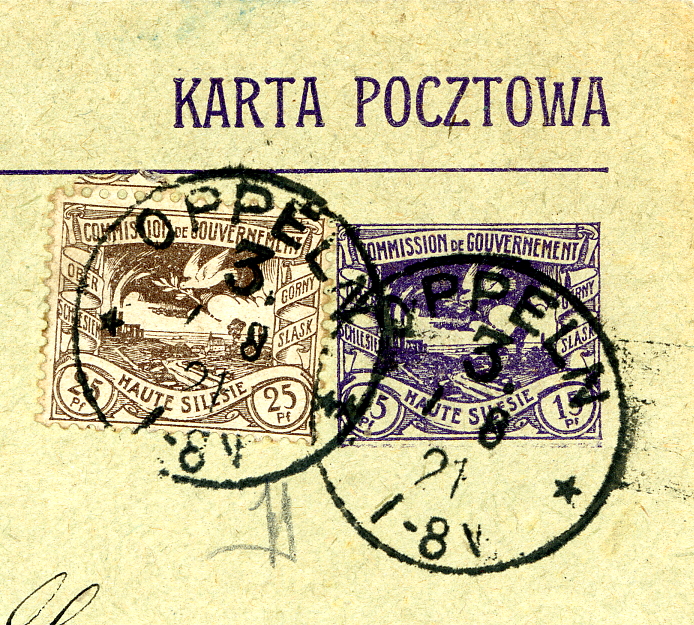
Opole has deep historical roots in Central Europe and developed as an important settlement during the medieval period. Over centuries the area experienced shifting political boundaries and was influenced by Polish, Bohemian and German governance at different times. This layered history is reflected in Opole's architecture, place names and cultural memory, where the Polish name Opole coexists with the German form Oppeln and the Czech form Opolí. These multilingual traces illustrate the city’s role at the crossroads of regional cultures.
Characteristics and landmarks
Opole's urban landscape includes an Old Town, riverside promenades and modern districts. Key features often noted by visitors and residents include historic churches, municipal buildings and university campuses. The city functions as a transport node for the surrounding region and supports public services, health care and higher education institutions such as local universities and colleges.
Economy and institutions
The local economy blends public administration, education, services and light industry. Opole hosts regional government offices and cultural institutions that attract commuters from the voivodeship. It also provides a base for small and medium-sized enterprises, retail and hospitality businesses that serve both residents and visitors. Data on municipal area and demographics are available through official sources for those seeking detailed statistics (area and official data).
Culture and notable events
Opole is widely known in Poland for hosting the annual National Festival of Polish Song, a major televised event celebrating Polish popular and traditional music. The festival and other cultural programs draw artists and audiences from across the country, enhancing the city's profile as a cultural center. The city also recognizes its multicultural heritage: there is a long-standing presence of a German minority and other communities, which contributes to bilingual signage in some districts and a variety of cultural offerings.
Distinctions and contemporary significance
- Regional capital of Opole Voivodeship and an administrative center in southwestern Poland.
- Riverside location on the Oder that shapes local urban planning and recreation.
- Historic multicultural influences visible in place names such as Oppeln and Opolí, and in community traditions.
Taken together, these features make Opole a small but significant regional capital with a mix of historical legacy, cultural life and modern public functions.
Author
AlegsaOnline.com Opole — regional capital on the Oder River Leandro Alegsa
URL: https://en.alegsaonline.com/art/127921