
Omar Graffigna — Argentine Air Force officer and member of the military junta
Omar Domingo Rubens Graffigna (1926–2019), senior Argentine Air Force officer who served in the ruling military junta and was later convicted for crimes during the dictatorship.
Omar Domingo Rubens Graffigna (2 April 1926 – 9 December 2019) was a senior officer of the Argentine Air Force who became one of the military leaders during Argentina's National Reorganization Process, the authoritarian regime that governed after the 1976 coup. He served in the ruling military junta and later faced criminal proceedings for human rights abuses committed under the dictatorship.
Image gallery
2 Images
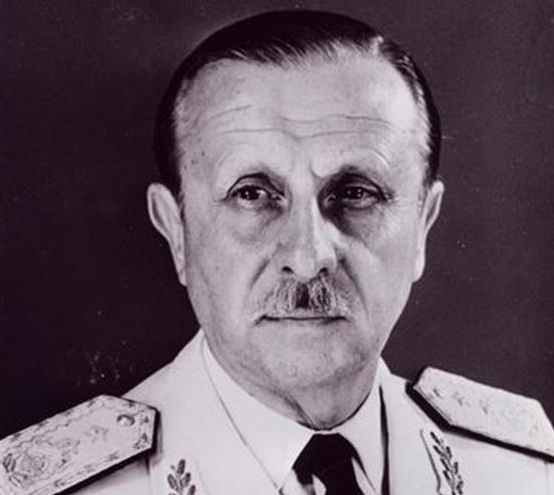
Career and role in the junta
Graffigna rose through the ranks of the Air Force and, during the years of military rule, occupied one of the top leadership positions within the armed forces. As a member of the ruling council, he shared collective responsibility for state policies enacted by the junta. The regime implemented a program of political repression that targeted opponents, and Argentine courts and human rights organizations later described systematic abuses carried out by state security forces during that period.
Legal proceedings and conviction
In the decades after democratic restoration, Argentine institutions and courts revisited crimes committed under the dictatorship. Graffigna was among former military officials investigated and prosecuted. On 8 September 2016 he was sentenced to 25 years' imprisonment for crimes linked to the policies of the military government. The conviction reflected a broader national effort to hold security officials accountable after the annulment of earlier amnesty measures and renewed judicial attention to violations of human rights.
Family background and earlier life are less prominent in public sources than his military career and later judicial scrutiny. Public mention of Graffigna commonly focuses on his role in the armed forces, his participation in the junta's decision-making, and the later legal judgments that found him criminally responsible for actions taken during the dictatorship.
- Full name: Omar Domingo Rubens Graffigna
- Born: 2 April 1926
- Convicted: Sentenced to 25 years (8 September 2016)
- Died: 9 December 2019 in Buenos Aires
- Contemporary mention: He was noted as one of the last surviving members of the dictatorship alongside Reynaldo Bignone.
Graffigna's life and conviction are part of Argentina's ongoing public conversation about memory, justice and accountability for state violence. Scholarly and legal attention to the period emphasizes both the institutional role of the military and the long process by which victims and courts sought redress for abuses committed under the authoritarian government.
Author
AlegsaOnline.com Omar Graffigna — Argentine Air Force officer and member of the military junta Leandro Alegsa
URL: https://en.alegsaonline.com/art/127905