
Olive ridley sea turtle (Lepidochelys olivacea)
Small, widely distributed sea turtle known for olive-colored, heart-shaped shell and mass nesting (arribada). Lives in tropical oceans; faces threats from fishing, coastal development, and climate change.
The olive ridley sea turtle (Lepidochelys olivacea), sometimes called the Pacific ridley, is a small to medium-sized marine turtle found in warm tropical and subtropical seas. It is one of seven extant species of sea turtle and gets its common name from the olive-green hue of its heart-shaped carapace. Olive ridleys are well known for their unusual mass-nesting behavior called arribada, when thousands of females come ashore together to lay eggs.
Image gallery
10 Images





Physical characteristics
Adults are relatively compact compared with larger species such as green or loggerhead turtles. The carapace is rounded and heart-shaped, usually showing a muted olive to grayish coloration. The head and flippers are proportionately small, and the species typically has a streamlined body adapted for active swimming. Sexual maturity is reached after several years at sea, commonly around a decade or more.
Distribution and nesting
Olive ridleys inhabit warm waters of the Pacific and Indian Oceans and occur in parts of the Atlantic. They frequent coastal pelagic zones, bays and continental shelves. Some of the best-known arribada sites—where synchronized mass nestings occur—include beaches on the Pacific coasts of Mexico and Central America and coastal areas in India. Individual females may also nest solitarily at other beaches.
Diet and life cycle
These turtles are omnivorous; their diet includes jellyfish, mollusks, crustaceans, small fish and algae. Females lay multiple clutches of eggs during the nesting season; eggs incubate in the sand for several weeks to months and hatchlings emerge at night to make their way to the sea. Like other sea turtles, olive ridleys exhibit temperature-dependent sex determination, so incubation temperatures influence hatchling sex ratios.
Threats and conservation
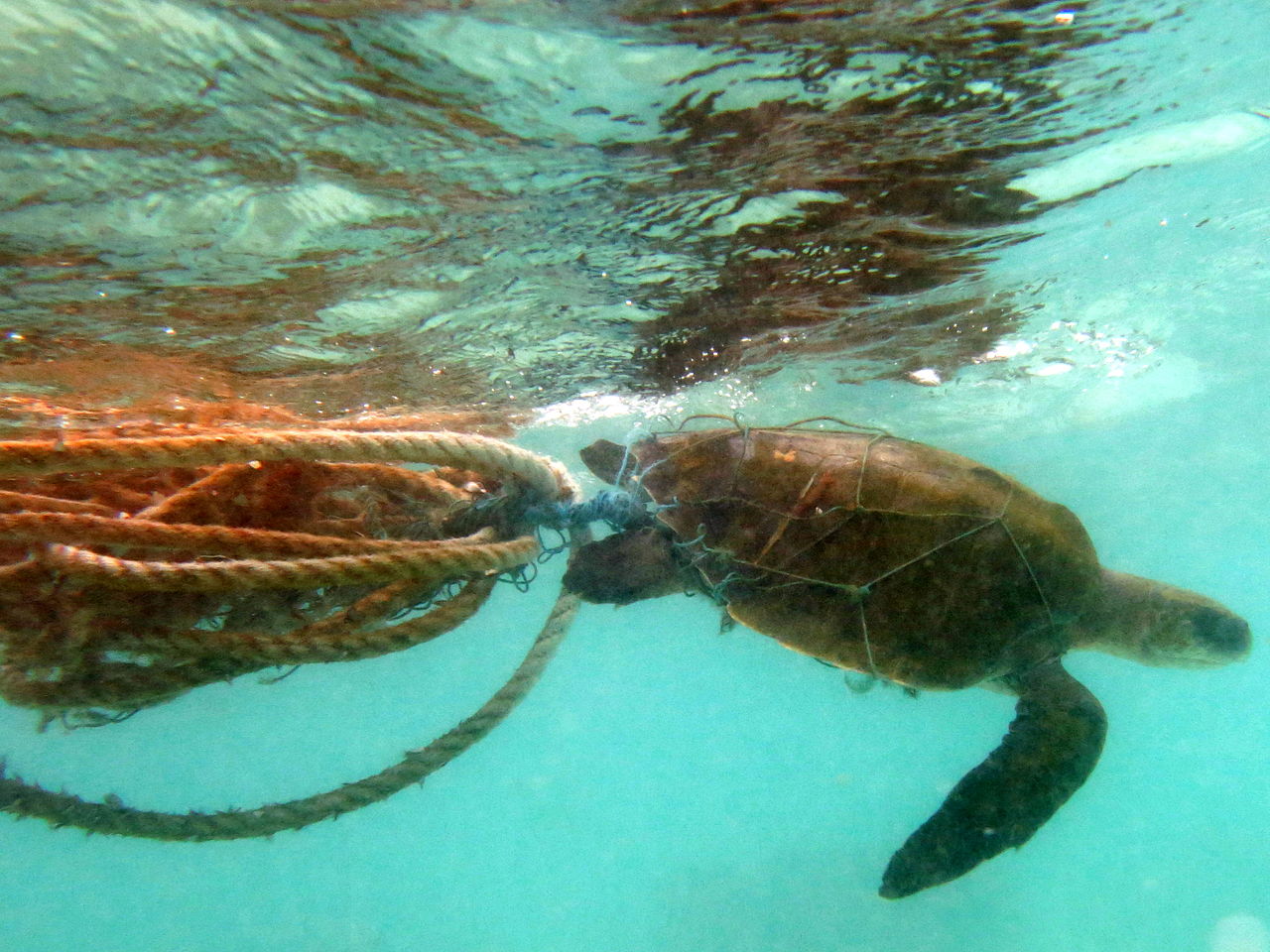
Olive ridleys face many human-caused threats: bycatch in trawl, gillnet and longline fisheries; coastal development and habitat loss; direct collection of eggs and adults; marine pollution including plastics; and climate change, which alters nesting beaches and sex ratios. Conservation measures include protected nesting beaches, community patrols, nest relocation where necessary, bycatch reduction devices on fishing gear, and international protections. Several national and international agreements provide legal protection for sea turtles.
Beyond their ecological roles—such as controlling jellyfish and contributing to beach nutrient cycles—olive ridleys are culturally and economically important in some coastal communities, where responsible ecotourism and conservation programs help sustain local livelihoods. For basic species information and resources, see additional references.
Author
AlegsaOnline.com Olive ridley sea turtle (Lepidochelys olivacea) Leandro Alegsa
URL: https://en.alegsaonline.com/art/127874