
Nguyễn Cao Kỳ (1930–2011) — South Vietnamese military leader and politician
Nguyễn Cao Kỳ was an influential South Vietnamese air force officer and politician who served as prime minister in a military junta (1965–1967) and later held senior government roles; remembered for his outspoken style.
Overview
Nguyễn Cao Kỳ (8 September 1930 – 23 July 2011) was a prominent South Vietnamese military leader and politician. Rising through the Republic of Vietnam Air Force, he became one of the most visible figures of the 1960s political scene. He is best known for serving as prime minister in a military-led government from 1965 to 1967 and for his continued public role in the years that followed.
Image gallery
9 Images


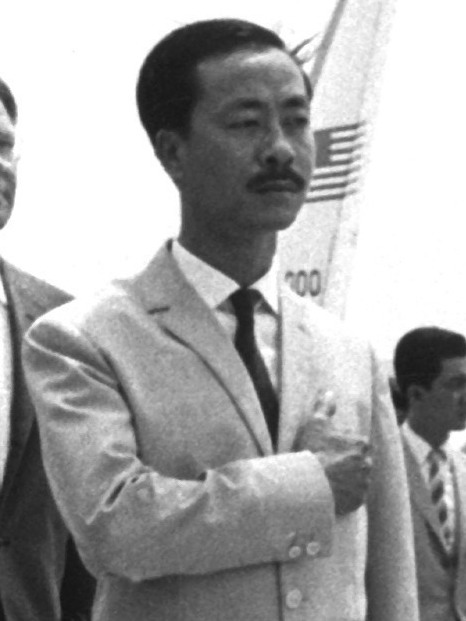


Early life and military career
Born in central Vietnam under French colonial rule, Ky trained as an air force pilot and advanced rapidly in rank during the 1950s and early 1960s. His background was in the armed services rather than civilian politics, and he developed a reputation for decisiveness and flair that helped him stand out among junta leaders during a period of repeated coups and instability.
Role in government
Ky became prime minister as part of a military junta that sought to stabilize South Vietnam during the American military build-up. In that capacity he headed a regime that combined military authority with an effort to present a functioning state. Later in the 1960s he held a senior civilian post in the national leadership under an elected president; his career blended formal officeholding with continuing influence inside the armed forces.
Policies and reputation
Ky was a staunch anti-communist and a firm ally of the United States in the Vietnam War era. He was known for outspoken, sometimes controversial remarks, and for projecting a tough, confident image. Supporters credited him with spirited leadership during a turbulent period; critics pointed to authoritarian tendencies and internal discord among South Vietnamese leaders.
Later life and legacy
After the collapse of the Republic of Vietnam in 1975 many of its senior officials left the country. Ky spent his later years living abroad and remained a polarizing figure in histories of the war: admired by some for his leadership and criticized by others for his role in an unstable political system. He died in 2011, and historians continue to assess his impact on South Vietnam’s wartime politics and its relationship with the United States.
Key positions
- Senior officer in the Republic of Vietnam Air Force
- Prime Minister of South Vietnam (military junta period, 1965–1967)
- Senior national official in the later 1960s leadership
Author
AlegsaOnline.com Nguyễn Cao Kỳ (1930–2011) — South Vietnamese military leader and politician Leandro Alegsa
URL: https://en.alegsaonline.com/art/127547