
Mwai Kibaki (1931–2022), President of Kenya (2002–2013)
Kenyan statesman who served as the country’s third president from 2002 to 2013, known for economic reforms, free primary education and navigating the 2007–08 post-election crisis and subsequent power-sharing government.
Overview
Mwai Kibaki (15 November 1931 – 21 April 2022) was a prominent Kenyan politician and statesman who served as the country's third President of Kenya from 2002 to 2013. His presidency followed a long career in public service and parliamentary life and is remembered for economic revival, landmark education policy, and a contested re-election that led to national reconciliation efforts.
Image gallery
10 Images


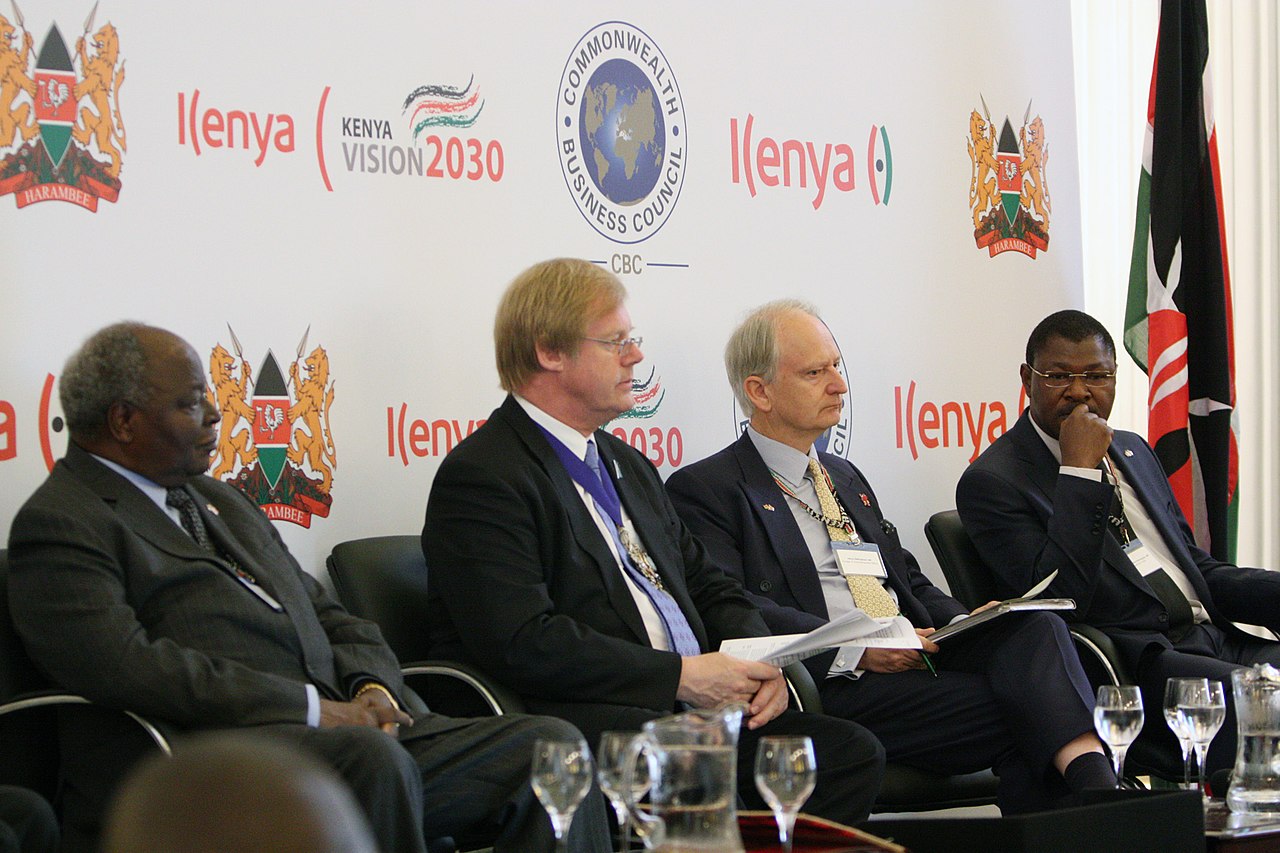


Early life and career
Born in central Kenya, Kibaki trained as an economist and entered public service before winning election to the national parliament. Over decades he held senior roles in government and established a reputation as a fiscally minded leader. He represented the Othaya constituency for many years and was active in both ruling and opposition parties at different stages of his career.
Presidency and policies
Elected in 2002 as the head of a broad coalition that ended decades of single-party dominance, Kibaki emphasized economic recovery, infrastructure investment and anti-poverty programs. One of his administration's best-known initiatives was the introduction of free primary education in 2003, which significantly increased school enrollment. His government also pursued tax and fiscal reforms and invested in roads and energy projects.
2007 election and aftermath
The 2007 presidential election produced disputed results and widespread violence. A negotiated settlement in early 2008 created a coalition government in which major opposition leaders joined a power-sharing arrangement. That period reshaped Kenyan politics and led to constitutional and institutional reforms in subsequent years.
Legacy and notable facts
- Credited with restoring steady economic growth and expanding access to primary education.
- His second term was marked by political division that prompted national dialogue and reform.
- Succeeded in office by Uhuru Kenyatta in 2013 after serving two terms.
Kibaki remained a significant figure in Kenyan public life after leaving the presidency, and his tenure continues to be assessed for both its development achievements and the political tensions it encountered.
Author
AlegsaOnline.com Mwai Kibaki (1931–2022), President of Kenya (2002–2013) Leandro Alegsa
URL: https://en.alegsaonline.com/art/127332