
Mose Allison: Jazz-Inflected Blues Pianist, Singer, and Songwriter
American pianist, singer and songwriter who blended jazz and blues with wry lyrics; known for 'Parchman Farm' and 'Young Man Blues' and influential on later rock and jazz performers.
Overview
Mose Allison (Mose John Allison, Jr., November 11, 1927 – November 15, 2016) was an American pianist, singer and songwriter whose work fused jazz improvisation with blues feeling and conversational, often ironic lyrics. His spare piano style and dry, laconic vocal delivery set him apart from both conventional jazz chanteurs and traditional blues singers, creating a distinct voice that appealed to jazz audiences and rock musicians alike.
Image gallery
2 Images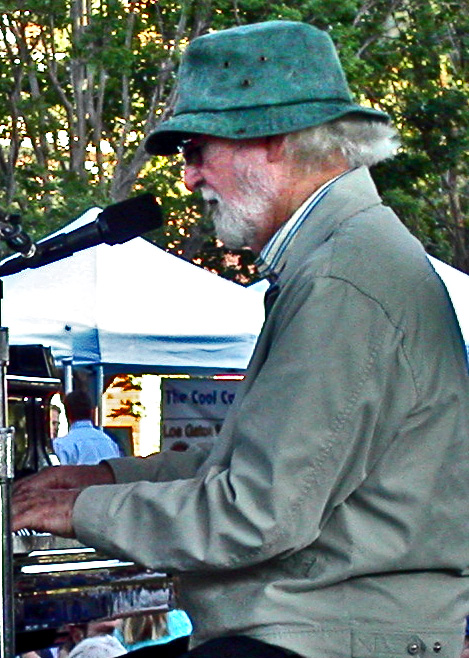
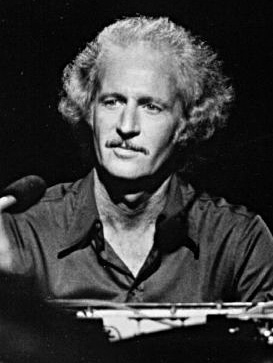
Style and repertoire
Allison's music combined elements of barrelhouse blues, bebop-influenced harmony and witty storytelling. He favored concise songs with memorable hooks and pointed, observant lyrics about everyday life, work, human foibles and Southern experience. As a pianist he was adept at walking bass patterns, comping behind his own vocals and interjecting brief, blues-inflected solos that kept the focus on songcraft rather than virtuosic display.
Career and recordings
Born in Mississippi, Allison began performing professionally in the mid-20th century and recorded prolifically over several decades. Although he sang on many records, it was notable that in 1963 his record label permitted him to release an album comprised entirely of vocals. Throughout his career he led small combos—typically trios—and toured regularly, cultivating a devoted following in both the United States and Europe.
Notable songs and covers
- "Parchman Farm" (also credited as "Parchman Songs") — a song that references the Mississippi State Penitentiary and showcases Allison's blending of blues themes with ironic commentary.
- "Young Man Blues" — one of his best-known compositions, later popularized by rock bands and introduced to new audiences via high-profile covers.
- Covers and adaptations of his work by rock and pop artists helped extend his influence beyond jazz clubs and coffeehouses.
Legacy and distinctions
Allison's dry wit, concise songwriting and hybrid musical language made him an influential figure for musicians across genres. Rock bands of the 1960s and later cited him as a source for material and attitude; his songs frequently appeared in live sets and albums by performers who admired his blend of blues authenticity and lyrical ironies. He continued performing into his later years and died at his home in Hilton Head, South Carolina in November 2016. Today he is remembered as a singular interpreter who bridged jazz sophistication and blues soul while contributing a distinctive voice to American popular music.
Author
AlegsaOnline.com Mose Allison: Jazz-Inflected Blues Pianist, Singer, and Songwriter Leandro Alegsa
URL: https://en.alegsaonline.com/art/127252