
Mircea Snegur — First President of independent Moldova
Mircea Snegur (born 17 January 1940) was the first President of Moldova (1990–1997), presiding over the republic's transition from a Soviet republic to an independent state and its early constitutional development.
Mircea Ion Snegur (born 17 January 1940) is a Moldovan politician who served as the country's first head of state after the final years of Soviet rule. He held senior posts in the late Soviet period and became President of Moldova during the crucial period when the Moldavian Soviet Socialist Republic moved toward sovereignty and then full independence. His time in office covered the early 1990s, a decade marked by state building, economic hardship and regional conflict.
Image gallery
4 Images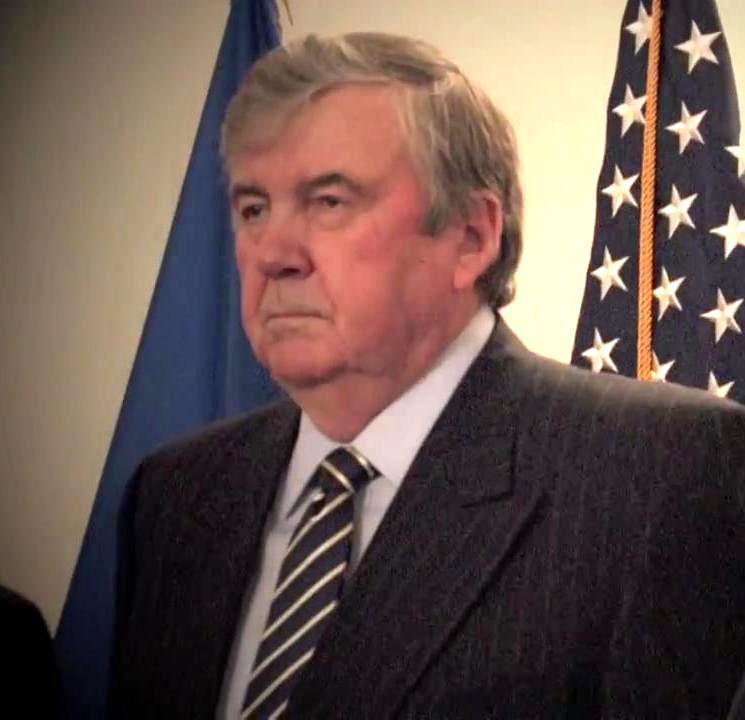


Political rise and early offices
Snegur's political career advanced within the structures of the Soviet-era republic. In the years immediately before independence he occupied leading roles in the republican legislature. He was, at different moments in 1989–1990, both Chairman of the Presidium of the Supreme Soviet and Chairman of the Supreme Soviet itself, positions that made him a prominent public figure during a period of rapid political change. The legislature he chaired is often referenced as the Supreme Soviet of the Moldavian SSR.
Presidency and major events
As president from 1990 until 1997, Snegur presided over Moldova's declaration of independence from the Soviet Union in 1991 and the first steps of constructing independent state institutions. His presidency encompassed the violent confrontation in the Transnistria region in 1992, which produced lasting territorial and security challenges. During his mandate Moldova adopted new national symbols and moved to establish a constitutional framework for governance, culminating in a constitution that came into force in the mid-1990s.
Policies, orientation and challenges
Snegur's approach combined support for Moldovan sovereignty with efforts to balance competing internal and external pressures. He engaged in diplomacy with neighboring states and sought to manage relations with both Russia and Romania while navigating strong domestic debates over language, identity and the possibility of closer ties or union with Romania. Economically, his presidency coincided with the deep disruptions that followed the Soviet collapse: inflation, industrial decline and migration affected public life and limited policy options.
Legacy and later developments
Viewed historically, Snegur is associated with the foundation of the independent Moldovan state and the early institutional choices that shaped its post-Soviet trajectory. He left office in 1997 after national elections that brought a successor to the presidency. Opinions about his record vary: supporters emphasize his role in securing statehood and maintaining relative order in a turbulent period; critics point to unresolved territorial disputes and economic difficulties. His tenure remains a key reference point for debates about Moldova's national identity and foreign policy direction.
Notable facts
- Born on 17 January 1940 and known by the full name Mircea Ion Snegur.
- First President of Moldova during its transition to independence (1990–1997).
- Presided during the 1992 conflict in Transnistria and the adoption of a new constitution in the 1990s.
- Served in senior roles of the Soviet-era republican legislature prior to becoming head of state.
Author
AlegsaOnline.com Mircea Snegur — First President of independent Moldova Leandro Alegsa
URL: https://en.alegsaonline.com/art/127101