
Bohemian Rhapsody
An influential 1975 song by Queen that blends ballad, opera and rock sections. Written by Freddie Mercury and released on the album A Night at the Opera.
Bohemian Rhapsody is a landmark rock composition by the English band Queen, written by Freddie Mercury and first released on the 1975 album A Night at the Opera. The song stands out for its ambitious form, combining multiple musical styles without a conventional chorus and for its dramatic vocal layering and studio production.
Image gallery
9 Images



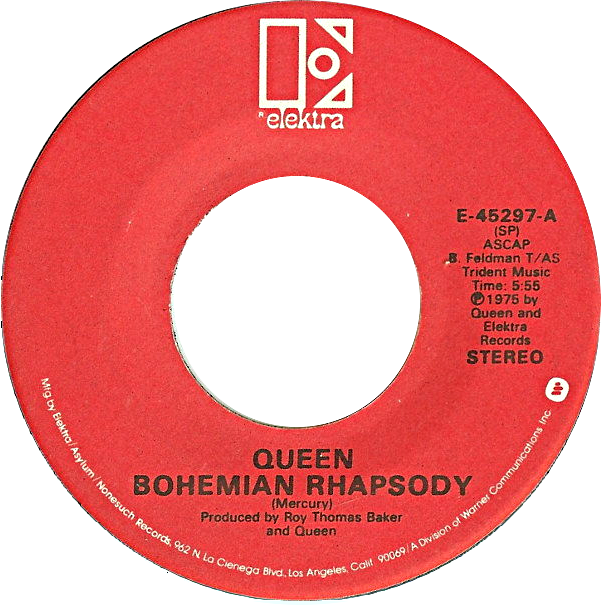

Structure and musical characteristics
Rather than following verse–chorus conventions, the piece unfolds through contrasting sections that shift mood and texture. These include a slow, piano-led opening, a multi-part operatic middle, a heavy guitar-driven rock passage and a reflective coda. The operatic passages feature densely stacked harmonies created by extensive multitrack overdubs, a studio technique used to achieve a choir-like effect from the band members.
Recording and release
The recording process was notable for its meticulous layering and for unconventional studio hours, reflecting the complex arrangements. Produced in collaboration with the band and their producer, the track was issued as a single and as part of the album in 1975, attracting attention for its length and unusual format for popular radio at the time.
Reception and legacy
Upon release the song became one of the band’s signature pieces and has remained culturally prominent. It has been widely covered, cited in film and television, and was a commercial success in multiple territories. The song’s profile was renewed for later generations by film and media placements that introduced it to new audiences.
Notable facts
- It is often noted for lacking a traditional chorus while still achieving broad popular appeal.
- The operatic middle section demonstrates inventive studio techniques and theatrical ambition rarely attempted in rock singles of the era.
- The song helped solidify the songwriter’s reputation for dramatic, genre-blending compositions.
Because of its hybrid structure, theatricality and production innovations, the song is frequently discussed in studies of popular music as an example of rock reaching for operatic and narrative scope.
Tags
Related articles
Author
AlegsaOnline.com Bohemian Rhapsody Leandro Alegsa
URL: https://en.alegsaonline.com/art/12702
Sources
- soundonsound.com : An Invitation To The Opera