
Mihai Ghimpu — Moldovan liberal politician and acting president (2009–2010)
Mihai Ghimpu (born 1951) is a Moldovan politician, long‑time leader of the Liberal Party, member of the first post‑Soviet parliaments and Speaker of Parliament who served as Acting President in 2009–2010.
Mihai Ghimpu (born 19 November 1951) is a Moldovan politician best known for leading the Liberal Party and for serving as Speaker of Parliament and Acting President of the Republic of Moldova during 2009–2010. His career spans the first years after independence and the later period of political realignment in Moldova, when pro‑European and liberal forces formed governing coalitions to reduce the influence of the former Communist leadership.
Image gallery
2 Images
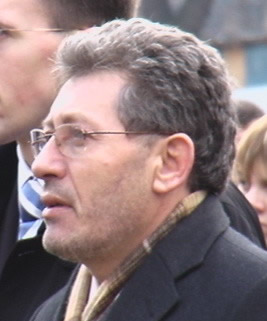
Background and early political activity
Ghimpu comes from a rural area of what was then the Moldavian Soviet Socialist Republic. Trained in a technical profession before entering politics, he was elected to the national legislature in the early 1990s and served in the first post‑Soviet parliaments. That period saw active debates about statehood, language, and the structure of the newly independent Moldovan state; Ghimpu established himself as an advocate of liberal, pro‑European positions.
Party leadership and parliamentary service
From the late 1990s until 2018 Ghimpu served as leader of the Liberal Party (Partidul Liberal), guiding the party through multiple national elections and coalition negotiations. He was a member of parliament in the 1990s and returned to the legislature after 2009, taking on senior roles in the parliamentary majority formed to pursue European integration and institutional reforms.
Speaker and Acting President (2009–2010)
Following the 2009 political crisis and the fall of the Communist parliamentary majority, Ghimpu was elected Speaker of Parliament and became Acting President under constitutional provisions. His interim tenure was short but politically significant: he helped steer a coalition government oriented toward closer ties with the European Union and initiated symbolic measures aimed at addressing Moldova's Soviet past. Those measures and the broader reform agenda attracted both support from pro‑European citizens and criticism from opponents.
Political positions and legacy
Ghimpu is identified with liberal, pro‑European and in parts pro‑Romanian currents within Moldovan politics. He supported policies to strengthen state institutions, promote market reforms and integrate Moldova with European structures. His time in public life coincided with heated national debates about identity, language, historical memory and geopolitical orientation.
Offices and chronology (selected)
- Member of Parliament: early 1990s (first post‑Soviet parliaments) and 2009–2019
- Leader, Liberal Party: circa 1998–2018
- Speaker of Parliament and Acting President of Moldova: 2009–2010
After stepping down from party leadership, Ghimpu remained a notable figure in Moldovan public life as an elder statesman of the liberal camp. Assessments of his impact vary: supporters credit him with helping to shift Moldova toward Europe and away from Soviet‑era influence, while critics point to polarising symbolism and political confrontation during a turbulent period.
Author
AlegsaOnline.com Mihai Ghimpu — Moldovan liberal politician and acting president (2009–2010) Leandro Alegsa
URL: https://en.alegsaonline.com/art/126934