
Marshall Rosenberg — founder of Nonviolent Communication
American psychologist (1934–2015) who developed Nonviolent Communication (NVC), a practical method for empathetic dialogue and conflict resolution used in education, mediation, organizations and personal relationships.
Marshall Rosenberg (October 6, 1934 – February 7, 2015) was an American psychologist best known for developing Nonviolent Communication (NVC), a communication framework intended to increase empathy, reduce verbal aggression and support constructive conflict resolution. He taught internationally, wrote books and trained practitioners who adapted NVC in education, mediation and community programs.
Image gallery
2 Images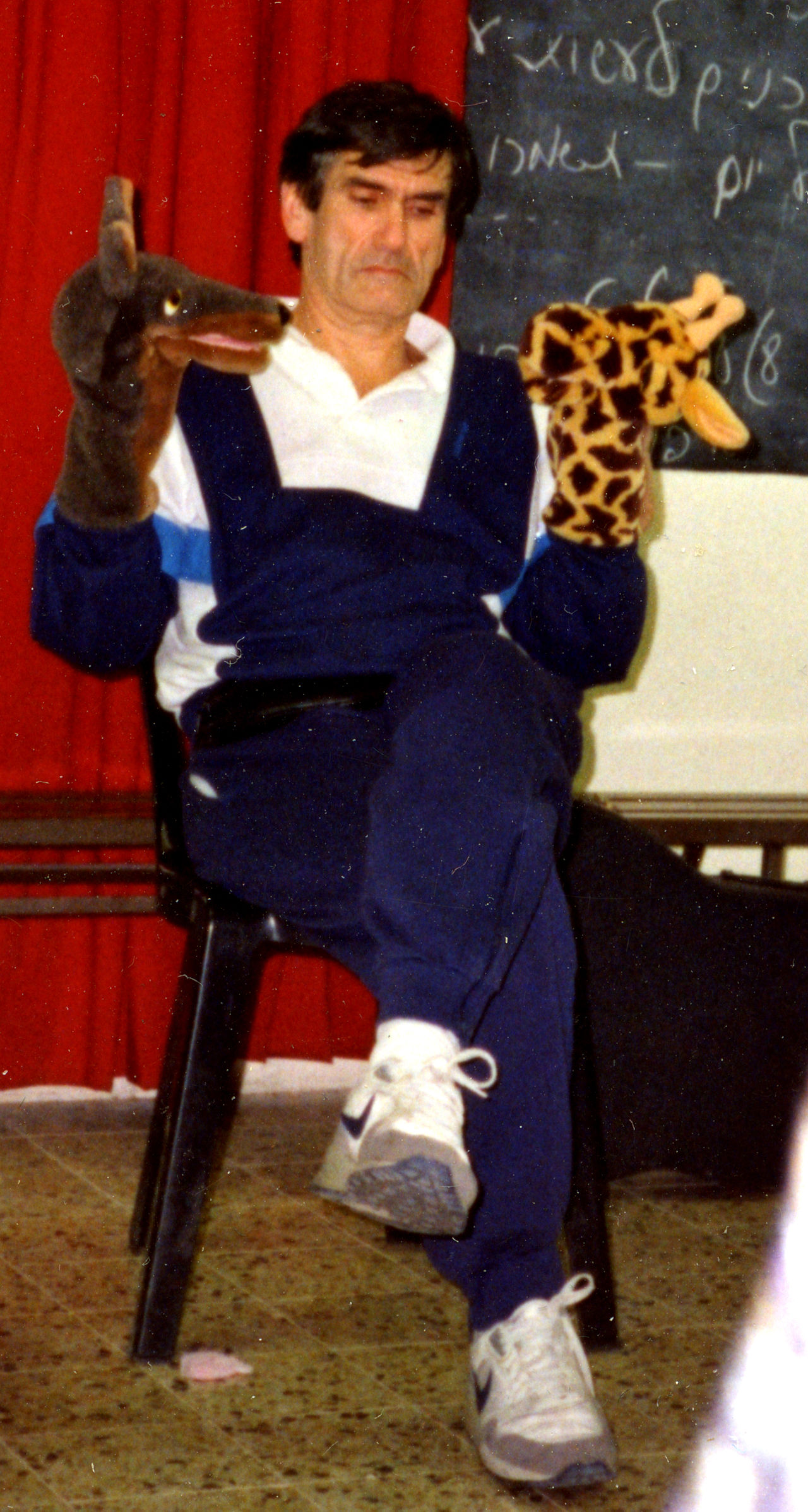

Biography
Born in the United States, Rosenberg trained in psychology and drew on humanistic and developmental traditions to shape his approach. Over several decades he offered workshops, worked with mediators and activists, and helped establish networks of trainers and practice groups to spread NVC methods. He emphasized practical skill-building and the cultivation of empathic presence.
Core principles
NVC is commonly presented as a four-part process: neutral observation, naming feelings, identifying needs, and making clear requests. The method encourages separating facts from interpretations, expressing feelings and needs honestly without blame, and making concrete, doable requests rather than demands. Practitioners strive to hear others' underlying needs and to transform judgments into opportunities for connection.
Practice, training and applications
Typical exercises include role-play, reflective listening and translating evaluative or blaming language into need-based statements. NVC has been applied in classrooms and restorative school practices, family and couples support, workplace communication and leadership training, community mediation and various peacebuilding initiatives. Trainers stress that its usefulness depends on authenticity, cultural adaptation and regular practice rather than mechanical use of a formula.
Reception and legacy
Supporters credit Rosenberg's approach with reducing conflict, improving relationships and informing restorative practices in diverse settings. Critics and some practitioners note that NVC can feel scripted or culturally specific if used rigidly, and that fluency requires time and reflection. Rosenberg's books and the communities of certified trainers continue to teach and adapt NVC methods; for official resources and training information see Nonviolent Communication.
Author
AlegsaOnline.com Marshall Rosenberg — founder of Nonviolent Communication Leandro Alegsa
URL: https://en.alegsaonline.com/art/126196