
Marina Silva: Brazilian environmentalist and politician
Marina Silva is a Brazilian environmental leader and politician known for Amazon advocacy, service as Minister of the Environment, multiple presidential campaigns, and membership in the Sustainability Network (REDE).
Overview
Marina Silva (born 8 February 1958) is a Brazilian politician and environmentalist whose public career blends Amazon conservation, social activism and electoral politics. She rose from grassroots work in the Amazonian state of Acre to national prominence, serving in government, running for the presidency and helping to create a party focused on sustainable development.
Image gallery
9 Images




Early life and activism
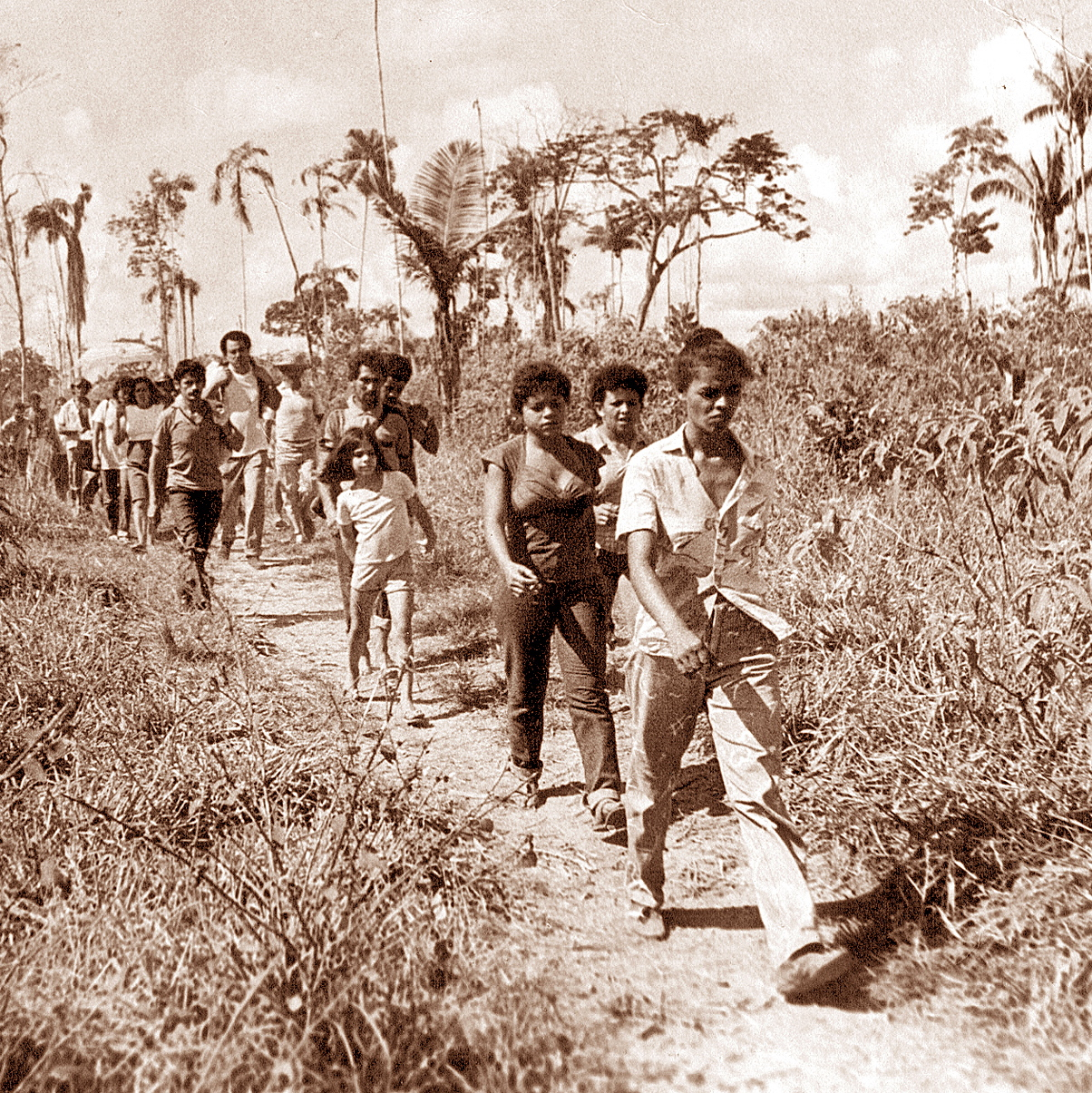
Silva was born and raised in the Amazon region and began her adult life as a rubber tapper and trade union activist. Her early activism connected labor concerns with forest protection and indigenous rights, and she became known for bringing local experience of the rainforest into broader environmental debates. Her upbringing and faith have influenced both her political style and her emphasis on ethical stewardship of natural resources.
Political career and offices
Silva's political trajectory includes membership in several parties and service at federal level. She was a member of the Workers' Party in the 1990s and later joined the Green Party before helping to found the Sustainability Network (REDE). As Minister of the Environment in the 2000s she promoted policies aimed at curbing deforestation and integrating environmental protection into development strategies. She has run for the presidency in national elections on more than one occasion and in 2022 won a seat in the Chamber of Deputies.
Positions and public themes
Silva is best known for defending Amazon conservation, indigenous land rights and measures to address climate change. At the same time she is viewed as relatively conservative on some social issues, reflecting her evangelical Christian beliefs and a politics that often seeks to bridge environmental goals with social and economic concerns. Her platform typically emphasizes sustainable development, transparency in governance and participation by local communities.
Impact and distinctions
Marina Silva is considered one of Brazil's most visible environmental voices at the national and international levels. Her career illustrates the challenges of reconciling environmental protection with economic pressures in a country where the Amazon plays a central role. Whether in office, as a candidate or as a civil society actor, she remains an important reference for debates about conservation, development and democracy in Brazil.
Author
AlegsaOnline.com Marina Silva: Brazilian environmentalist and politician Leandro Alegsa
URL: https://en.alegsaonline.com/art/126034