
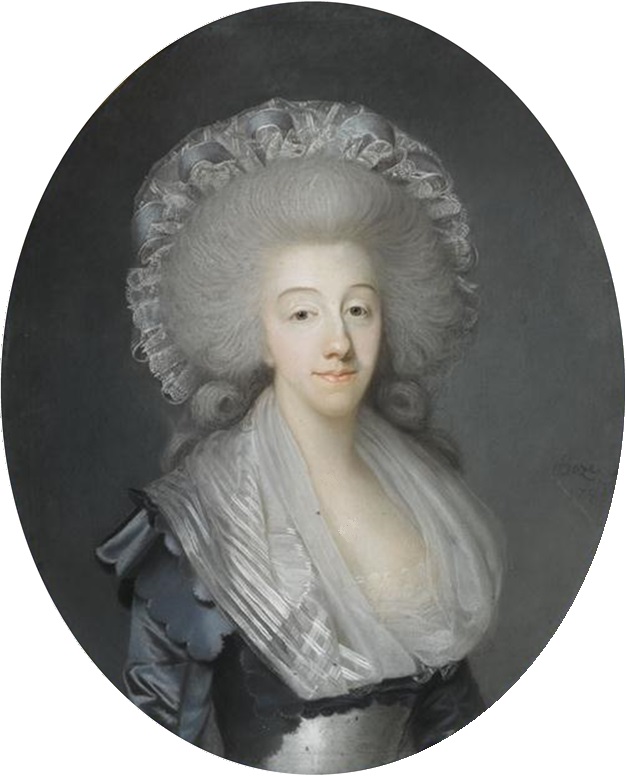
Marie Thérèse of Savoy (1756–1805), Countess of Artois
Princess of Savoy who became Countess of Artois by marriage to Charles Philippe (later King Charles X). A Bourbon court figure who experienced life at Versailles, the Revolution, emigration and exile.
Overview
Marie Thérèse of Savoy (31 January 1756 – 2 June 1805) was a princess of the House of Savoy who became Countess of Artois through her marriage into the French Bourbon family. Born into the ruling dynasty of the Kingdom of Sardinia, she spent much of her adult life at the court of Versailles and was part of the inner social world of the late ancien régime.
Image gallery
7 Images



Early life and family
Marie Thérèse was a daughter of Victor Amadeus, later King of Sardinia, and his Spanish-born consort. Her upbringing combined the formal etiquette of an Italian dynastic court with Roman Catholic piety. As a Savoyard princess she was raised to perform the dynastic and ceremonial duties expected of women of her rank.
Marriage and court life
By marriage she became Countess of Artois and joined the extended Bourbon household at Versailles. Known in France as Marie Thérèse de Savoie, she was regarded as reserved and devout. Her role at court emphasised ceremony, patronage of family interests and the social duties of a senior princess rather than active political leadership.
Children and dynastic importance
- She was mother to children who remained prominent in Bourbon succession politics, notably Louis Antoine, Duke of Angoulême, and Charles Ferdinand, Duke of Berry.
- Through her offspring she remained an important link in Bourbon dynastic continuity during and after the revolutionary era.
Revolution, exile and death
The French Revolution forced the royal family into crisis and emigration. The Count and Countess of Artois joined other royal émigrés, living away from France during the years of upheaval. Marie Thérèse died in exile in 1805 and did not live to see her husband later become King Charles X in 1824.
Legacy
Marie Thérèse of Savoy is remembered as an example of the dynastic marriages that linked European courts in the 18th century. While not a dominant political actor, her life illustrates how traditional court roles and family networks were disrupted by revolutionary change and how these connections continued to shape royalist hopes in the 19th century.
Author
AlegsaOnline.com Marie Thérèse of Savoy (1756–1805), Countess of Artois Leandro Alegsa
URL: https://en.alegsaonline.com/art/126019