
Lucretia Garfield: educator, First Lady, and custodian of a presidential legacy
Lucretia Garfield (1832–1918) was an American teacher and the wife of President James A. Garfield. She served as First Lady in 1881, cared for her husband after his assassination, and preserved his memory afterward.
Overview
Lucretia Rudolph Garfield (April 19, 1832 – March 14, 1918) was an American educator who became the wife and partner of President James A. Garfield. She served as First Lady of the United States during the brief presidency of her husband in 1881. Her public role was shaped both by her background in teaching and by the trauma of her husband’s assassination that ended his administration after only months in office.
Image gallery
7 Images


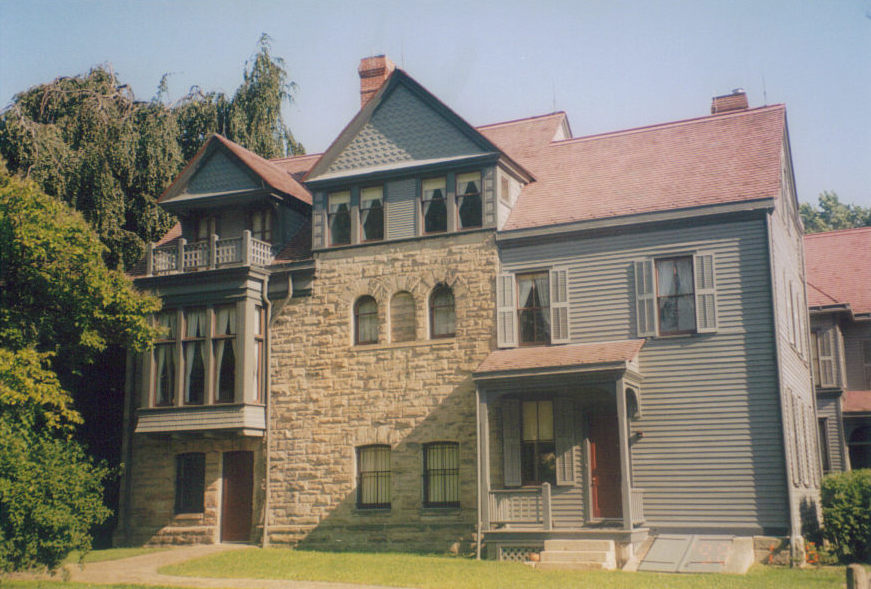

Early life and marriage
Born in Ohio, she trained and worked as a teacher and maintained a lifelong interest in education. She and James Garfield met while both were connected with the small Ohio college community where teaching and study overlapped. Their marriage became a partnership in which Lucretia supported her husband’s careers in teaching, the ministry, and politics while also raising their family at home.
First Ladyship and the 1881 crisis
When James Garfield became president in March 1881, Lucretia stepped into the ceremonial and private duties of the White House. The couple’s time in Washington was cut short by the president’s shooting that summer. Lucretia remained closely at his side through his long, painful decline and supervised his care during attempts at recovery. The trauma of that episode shaped her national image as a devoted and private figure rather than a Washington socialite.
Later years and legacy
After her husband’s death, Lucretia lived many decades more and devoted considerable energy to preserving his papers and legacy. She helped to shape public memory of the Garfield presidency and supported memorial projects and historical preservation efforts related to his life. Although she avoided broad political engagement, her stewardship of family records has been important to historians.
Notable facts
- Lucretia’s background as a teacher influenced her temperament and interests as a presidential spouse.
- Her tenure as First Lady was unusually brief, and she gained a reputation for modesty and private devotion during crisis.
- In later life she acted as a custodian of her husband’s documents and memory, assisting with biographies and memorials.
Lucretia Garfield is remembered for combining a life in education and family with the sudden responsibilities and sorrows that accompanied a nineteenth-century presidency abruptly ended by violence. Her long life, ending in 1918, bridged the antebellum era and the modern twentieth century, leaving a record of personal resilience and historical preservation.
Related articles
Author
AlegsaOnline.com Lucretia Garfield: educator, First Lady, and custodian of a presidential legacy Leandro Alegsa
URL: https://en.alegsaonline.com/art/125476