
List of rulers of Wallachia
Overview and context for the rulers (voivodes/princes) of Wallachia: principal dynasties, notable leaders such as Basarab, Vlad Țepeș and Michael the Brave, Ottoman suzerainty, and final union in 1859.
Overview
Wallachia was a historical principality in the region that is now southern Romania. Its leaders were commonly known as voivodes or princes and governed a polity that emerged in the medieval period and endured under varying degrees of autonomy until the mid-19th century. The sequence of Wallachian rulers includes local dynastic lines, rival branches, and periods in which the Ottoman Empire influenced or determined succession.
Image gallery
10 Images



Dynasties and succession
Succession in Wallachia combined elements of heredity, election by local boyars (nobles), and, in later centuries, external appointment. Several families and branches dominated the succession over time:
- Basarab dynasty and its offshoots, often considered the founding house of Wallachian rulership.
- Two notable competing branches descended from later members of the Basarab line, frequently at odds over the throne.
- In the post-medieval era, rulers were sometimes imposed or confirmed by the Ottoman Porte, leading to alternating native and Phanariote or locally backed princes.
Notable rulers and episodes
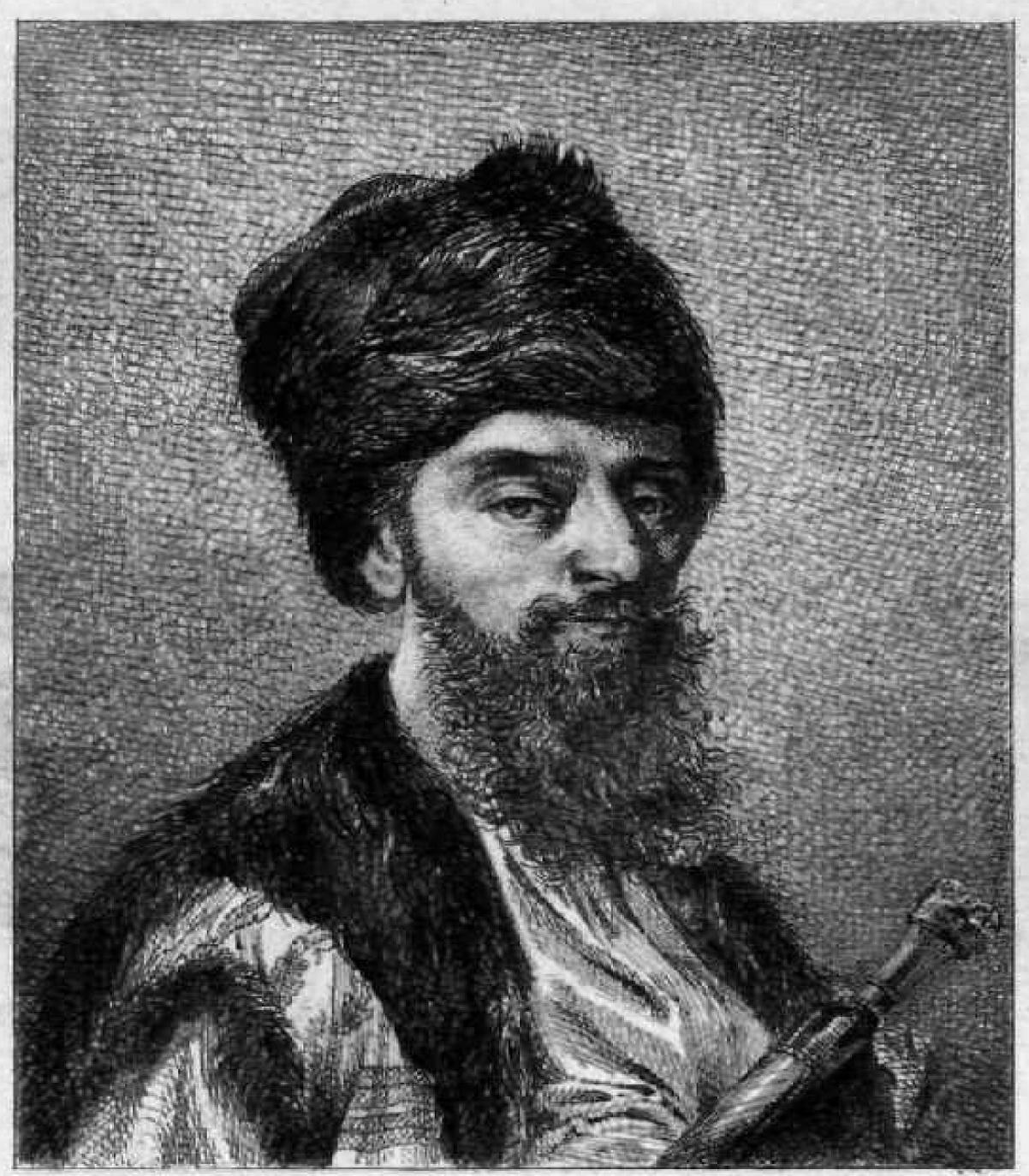
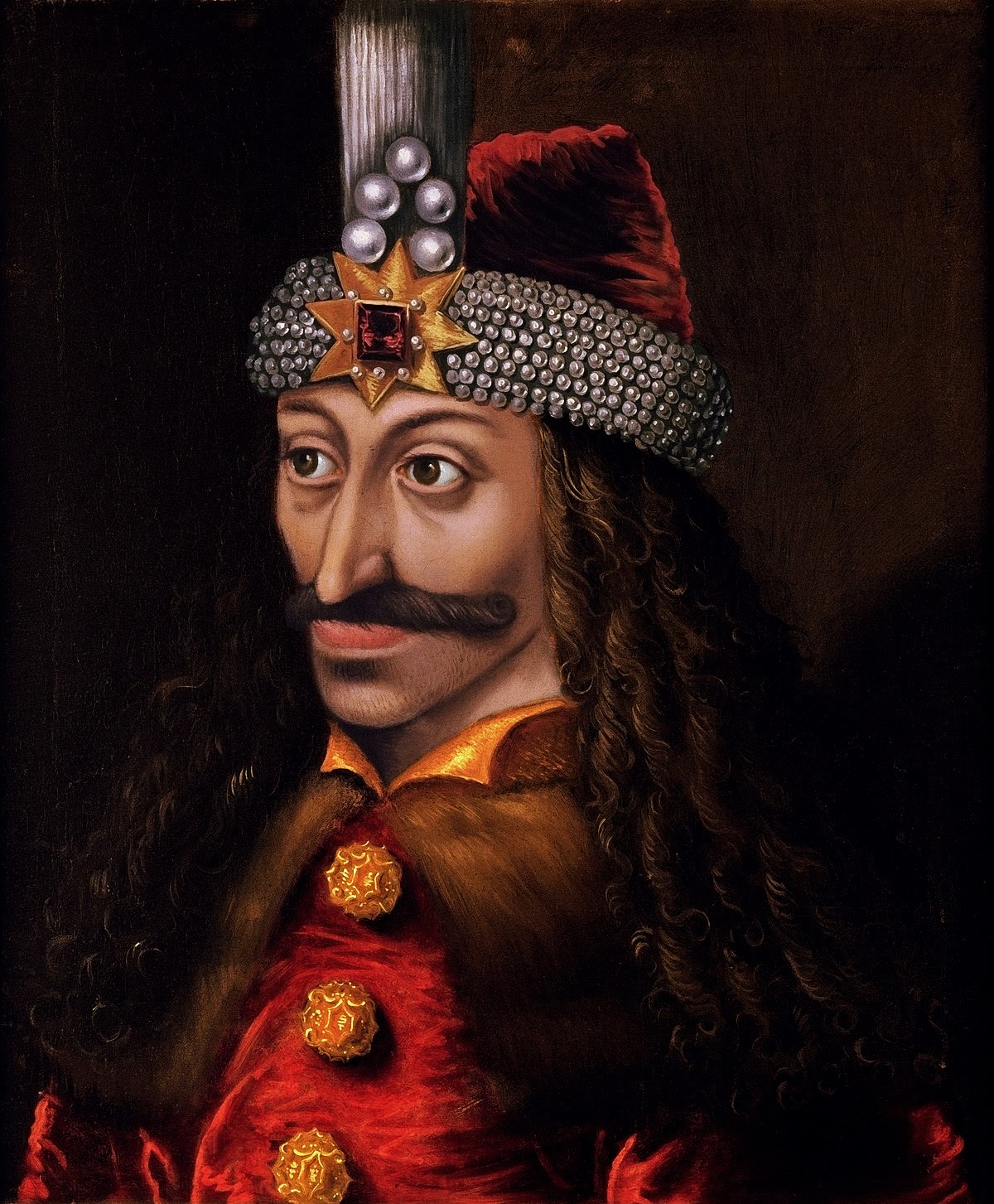
Certain figures stand out in the political and cultural memory of Wallachia. Basarab is credited with consolidating early Wallachian independence from neighboring powers. Vlad III, commonly known as Vlad Țepeș or "the Impaler," is remembered for his harsh methods of rule and resistance to Ottoman expansion. Michael the Brave achieved a short-lived political union of Wallachia with neighboring principalities, an episode often cited in later national narratives. Other rulers are noted for administrative reforms, cultural patronage, or tragic ends during the era of Ottoman dominance.
Later development and legacy
Throughout the centuries Wallachia's internal politics and external relations shaped the formation of modern Romania. By the 19th century, growing national movements and diplomatic changes led to the union of Wallachia with Moldavia under a single ruler, an event that paved the way toward the modern Romanian state. Lists of Wallachian rulers are useful for tracing dynastic patterns, foreign influence, and the evolution of governance in the region. For a chronological list and fuller prosopography, see the main compilation: List of rulers of Wallachia.
Why this list matters
Cataloguing Wallachian rulers helps historians and readers follow continuity and change in medieval and early modern Southeastern Europe: shifts in legitimacy, interaction with neighboring powers (including the Ottoman Empire and Central European states), cultural developments, and the long-term processes that produced modern national boundaries. Such lists combine biographies of individuals with the broader story of a principality that played a central role in Romanian history.
Related articles
Author
AlegsaOnline.com List of rulers of Wallachia Leandro Alegsa
URL: https://en.alegsaonline.com/art/125111