
Mayors of Berlin (1809–present)
Overview and context for the officeholders who have served as Berlin's mayors from the municipal reforms of 1809 through division and reunification to the present Governing Mayor.
Overview
The list of mayors of Berlin records the chief municipal and later state leaders of Germany's capital from the municipal reforms introduced in 1809 to the present day. It covers different official titles and institutional arrangements that changed as Berlin evolved from a Prussian city to a modern city-state, through periods of empire, republic, dictatorship, occupation, division and reunification.
Image gallery
10 Images
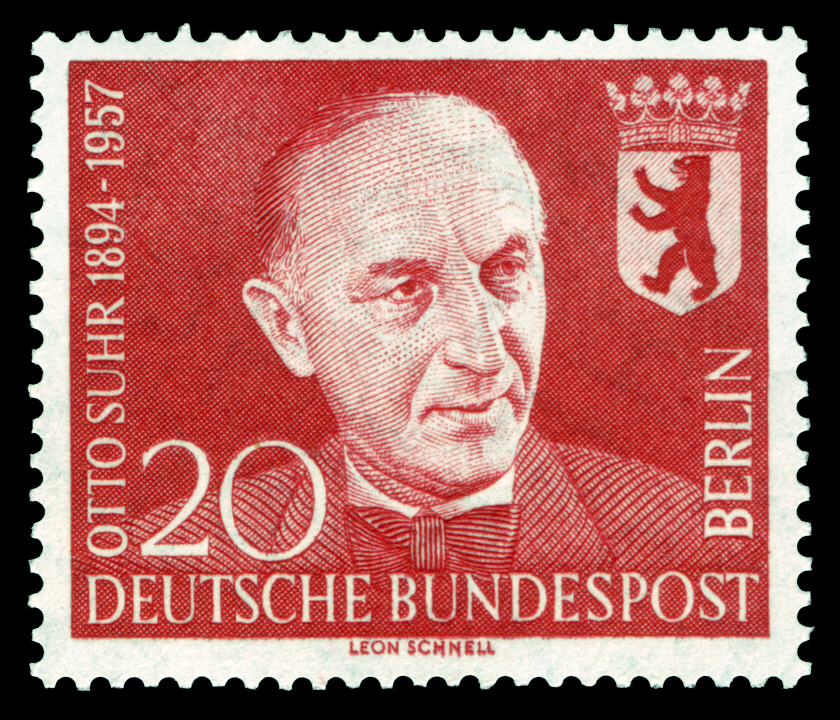

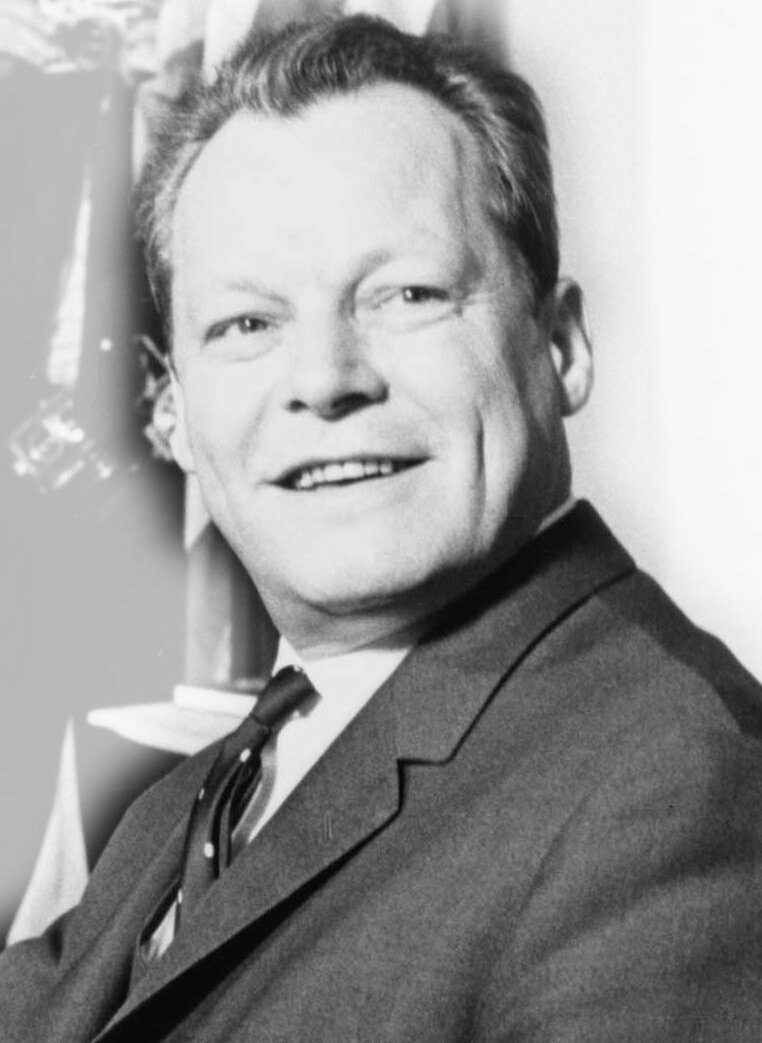


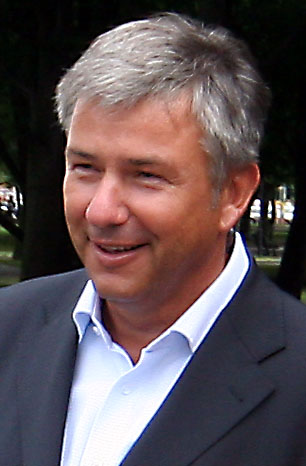


Titles and responsibilities
Mayoral titles in Berlin include Oberbürgermeister and Regierender Bürgermeister. Historically, "Oberbürgermeister" was the common municipal title, while the term "Regierender Bürgermeister" (Governing Mayor) was adopted in the 20th century for the head of the city-state government. The officeholder chairs the city's executive body, represents Berlin externally, and performs both municipal and state-level functions because Berlin is simultaneously a city and a federated state.
Historical development
The modern mayoralty traces its origin to early-19th-century municipal reforms in Prussia. During the 19th and early 20th centuries the mayoralty adapted to changing constitutional arrangements. Under the Nazi regime local autonomy was curtailed and offices were subordinated to central authorities. After World War II Berlin was administered by the Allied powers and then split politically: West Berlin and East Berlin each had separate chief magistrates. In that divided era West Berlin used the title "Regierender Bürgermeister" while the Soviet sector maintained its own Oberbürgermeister. Following German reunification the separate administrations were merged and the unified office of the Governing Mayor resumed responsibility for the entire city-state.
Election and modern role
In the contemporary system the Governing Mayor is chosen by Berlin's state parliament and leads a coalition Senate made up of senators responsible for portfolios such as finance, interior, education and urban development. The mayor represents Berlin at federal and international levels and coordinates city-wide policy across borough administrations. The office frequently reflects broader political trends in German national and regional politics.
Organization of the list
- Entries are commonly grouped by political and constitutional periods (Prussian era, Weimar Republic, Nazi era, Allied occupation, division, reunification).
- The register normally notes acting or provisional heads, party affiliation when applicable, and the institutional title in use at the time.
- Because Berlin is a city-state, many mayors exercise roles equivalent to both a municipal mayor and a state premier.
Notable distinctions
The sequence of officeholders illustrates Berlin's complex 19th- and 20th-century history: changes in title reflect shifts in government form; the Cold War division produced parallel mayoralties whose legitimacy depended on political context; and since reunification the unified Governing Mayor resumes a dual municipal and state function that is unusual among German cities.
Related articles
Author
AlegsaOnline.com Mayors of Berlin (1809–present) Leandro Alegsa
URL: https://en.alegsaonline.com/art/124815