
List of chess terms — concise glossary of common chess vocabulary
A compact, alphabetical glossary of widely used chess terms and concepts, with definitions and context for beginners and intermediate players.
Chess has a specialized vocabulary used by players, coaches, commentators and authors to describe moves, positions, tactics and rules. Familiarity with these terms helps players read annotations, follow games, and study strategy. This article explains key entries and groups them into an easy alphabetical list.
Terms fall into several categories: rules and notation (how the game is recorded and governed), tactical motifs (short-term combinations), strategic concepts (longer-term plans and structures), phases of the game (opening, middlegame, endgame), and practical matters (time controls, etiquette, competition ratings).
The modern standard notation and many of the names for tactics emerged in the 19th and 20th centuries alongside organized tournaments and published analysis. Today these terms are used internationally in books, broadcasts and online interfaces, and many are taught as part of beginner lessons.
Image gallery
10 Images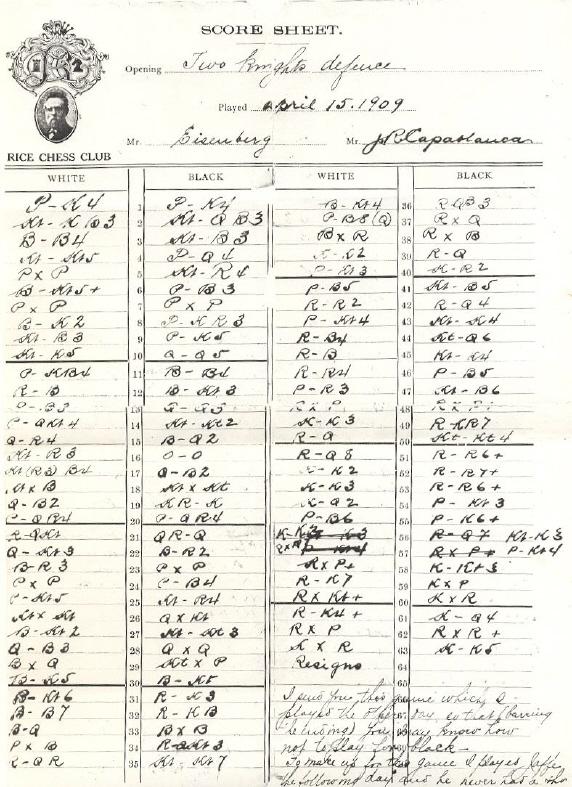





Selected chess terms (alphabetical selection)
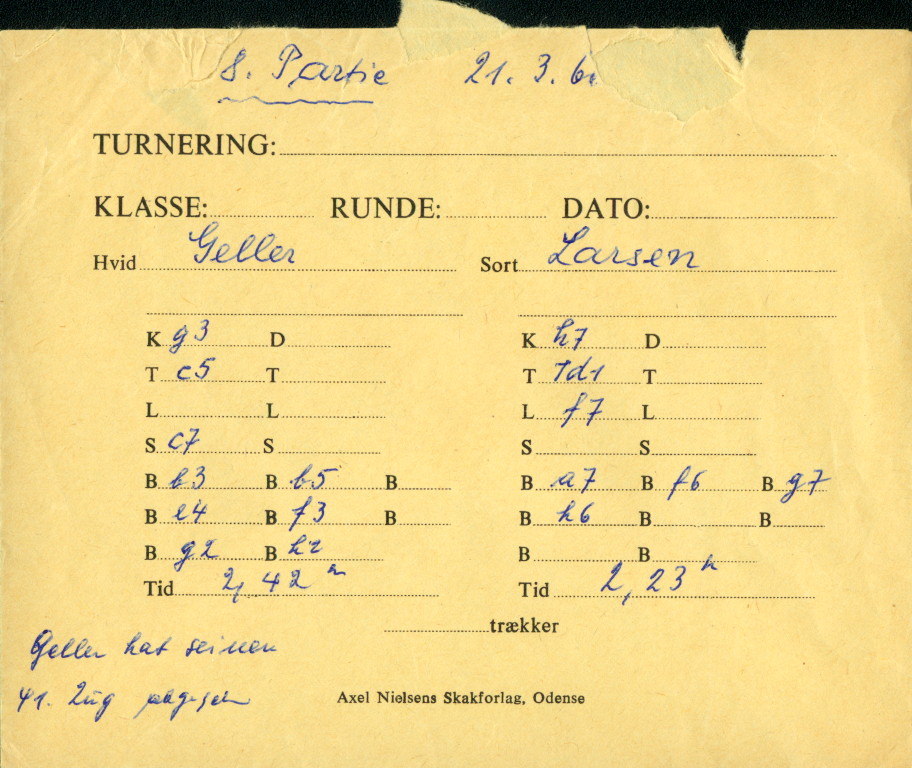
- Algebraic notation — A system for recording moves using file and rank labels (e.g., e4, Nf3).
- Blunder — A very bad mistake that often changes the evaluation decisively.
- Castling — A special king-and-rook move to improve king safety and activate a rook.
- Check — A delivered threat to the opponent's king that must be answered immediately.
- Checkmate — A position in which the king is in check and has no legal escape; the game ends.
- Endgame — The phase with few pieces left, where precise technique often decides the result.
- En passant — A special pawn capture that can occur immediately after a two-square pawn advance.
- Fork — A single piece attacks two or more enemy pieces at once.
- Gambit — Deliberately sacrificing material in the opening to gain time, development or initiative.
- Middlegame — The phase after the opening where plans, tactics and piece maneuvers determine the course.
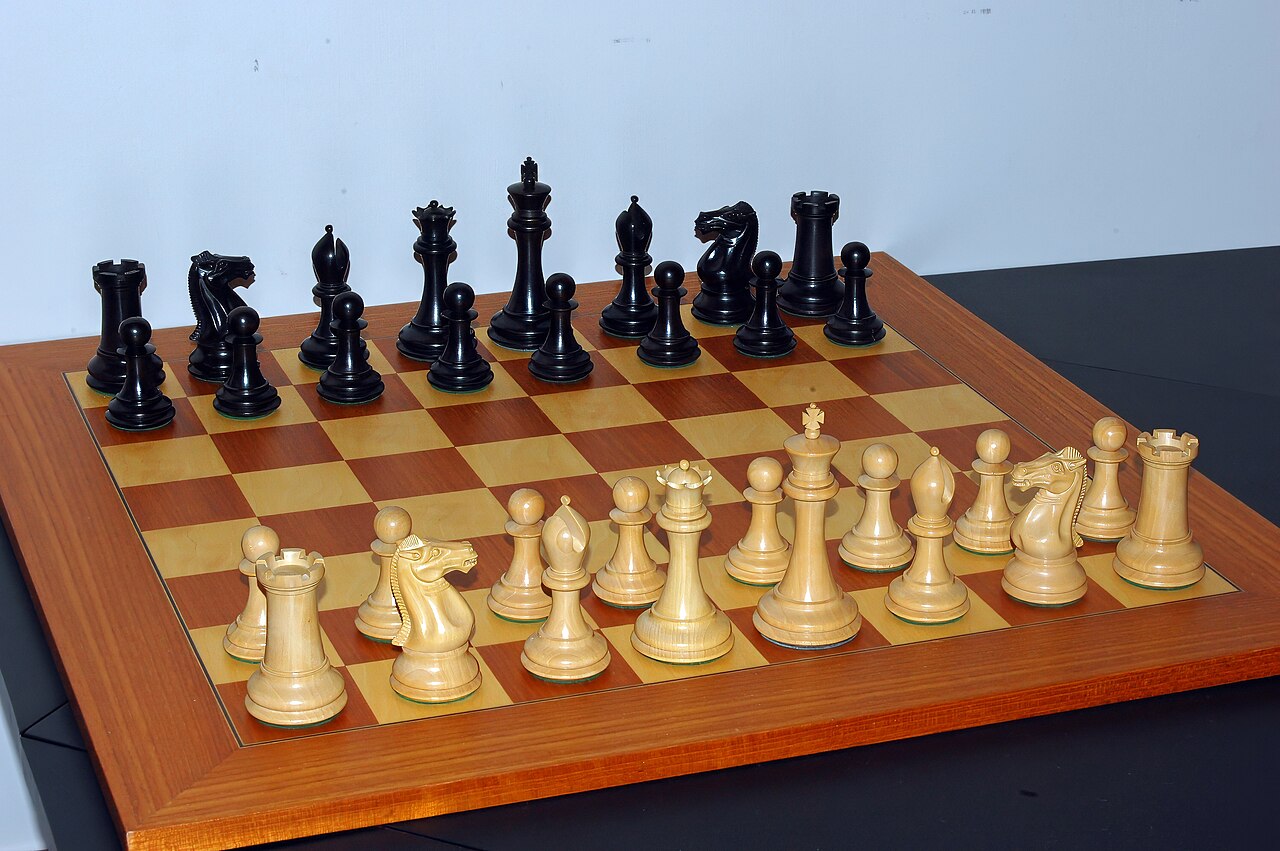
- Opening — Initial moves of the game, often classified into named systems and variations.
- Pin — A piece is restrained because moving it would expose a more valuable piece behind it.
- Promotion — When a pawn reaches the far rank and is exchanged for a queen, rook, bishop or knight.
- Rating — A numerical measure of playing strength (e.g., Elo, FIDE ratings).
- Resignation — Conceding the game before checkmate when the position is hopeless.
- Skewer — A line attack forcing a more valuable piece to move and exposing a lesser one.
- Stalemate — A draw that occurs when the player to move has no legal move but is not in check.
- Tempo — A single move or the gain/loss of time in development; keeping the initiative.
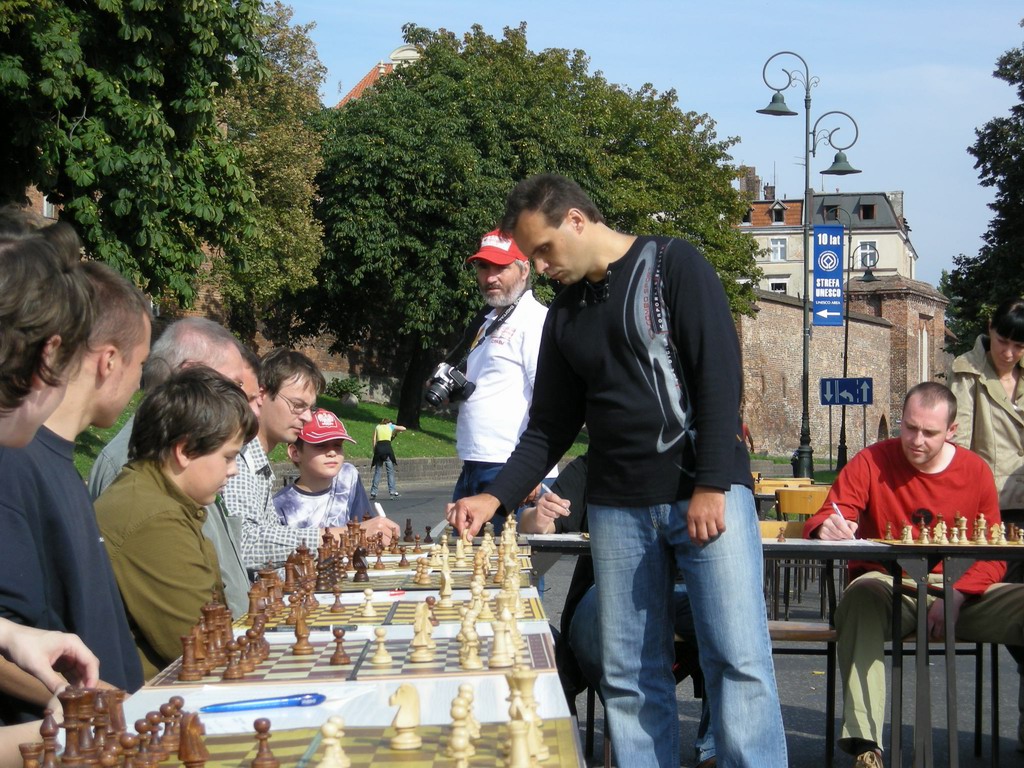
- Time control — The format that governs how much thinking time each player has.
- Touch-move — A rule requiring a player to move a piece they touch, when legal.
- Trap — A sequence that tempts an opponent into a mistake, often winning material.
- Zugzwang — A situation where any move worsens a player's position; often decisive in endgames.
Learning these terms supports quicker comprehension of annotated games and coaching advice. Many players memorize tactical names and opening titles while gradually internalizing strategic vocabulary through practice and study.
Related articles
Author
AlegsaOnline.com List of chess terms — concise glossary of common chess vocabulary Leandro Alegsa
URL: https://en.alegsaonline.com/art/124539