
Laura Rojas Hernández
Mexican politician from the National Action Party (PAN); former senator and chair of the Senate Foreign Affairs Committee; elected President of the Chamber of Deputies on 5 September 2019.
Laura Angélica Rojas Hernández (born 26 December 1975) is a Mexican politician who has served in both houses of the Mexican Congress. Her career combines legislative work, party activity and leadership roles that have positioned her among the more prominent figures of the National Action Party in recent years.
Image gallery
2 Images
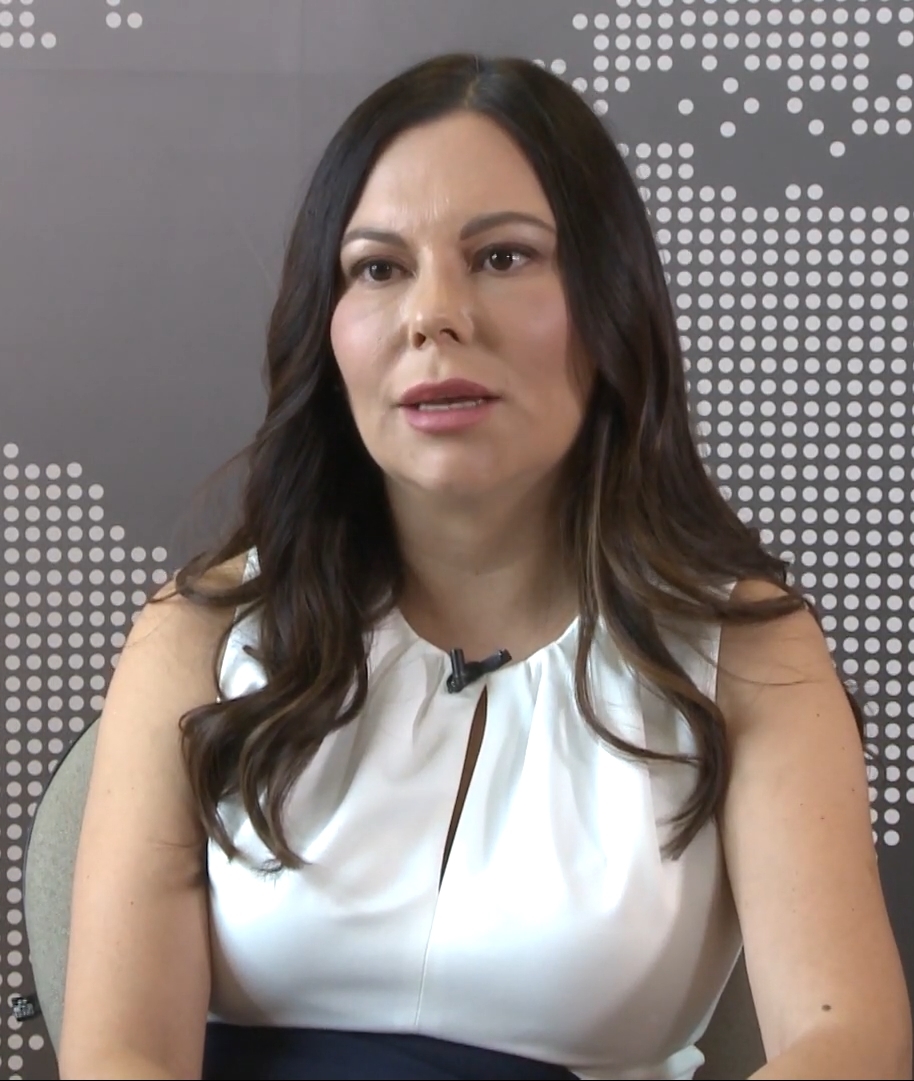
Party affiliation and political background
Rojas is a member of the National Action Party (PAN), a center-right political party in Mexico. Within the PAN she has been active on policy issues and legislative strategy, representing the party in congressional debates and committees. Her experience spans domestic policymaking and international affairs through committee assignments.
Legislative career and leadership posts
She served as a senator from 2012 to 2018, during which time she led the Senate Foreign Affairs Committee. In that capacity she guided discussions on Mexico's diplomatic relations and parliamentary oversight of foreign policy matters. After completing her term in the Senate, she continued in legislative service and was elected President of the Chamber of Deputies on 5 September 2019, a role in which she presided over the lower house and managed its legislative agenda (Chamber of Deputies).
Notable positions
- Senator (2012–2018)
- Chairwoman, Senate Foreign Affairs Committee
- President of the Chamber of Deputies (elected 5 September 2019)
The presidency of the Chamber of Deputies entails directing plenary sessions, coordinating legislative work, representing the chamber in institutional relations and helping set priorities for the consideration of bills and oversight activities. Her background in foreign affairs informed her approach to international parliamentary exchanges and to topics where domestic policy and external relations intersect.
Throughout her public service she has been associated with topics that typically occupy congressional leaders: strengthening legislative procedures, engaging with civil society and other branches of government, and advancing Mexico's positions in multilateral settings. Like many modern Mexican politicians, she has navigated a political environment marked by coalition-building, negotiation among parties, and public scrutiny.
Rojas's career illustrates the trajectory of a legislator who has moved between committee specialization and institutional leadership. Her terms in office contribute to an evolving pattern of representation in Mexico's federal institutions, where women increasingly occupy visible leadership posts in both chambers of Congress.
Related articles
Author
AlegsaOnline.com Laura Rojas Hernández Leandro Alegsa
URL: https://en.alegsaonline.com/art/124066
Sources
- sil.gobernacion.gob.mx : "Perfil del legislador"
- excelsior.com.mx : "Eligen a Laura Rojas como Presidenta de la Camara de Diputados"