
Bloomington, Minnesota: Suburban City and Home of the Mall of America
Bloomington is a major suburban city in the Minneapolis–Saint Paul region, known for the Mall of America, riverfront parks, and a mix of residential, commercial, and airport-adjacent development.
Overview
Bloomington is a suburban city located on the south side of the Twin Cities metropolitan area in Minnesota, lying south of Minneapolis and southwest of Saint Paul. Part of the greater Minneapolis–Saint Paul region, Bloomington combines residential neighborhoods, business districts, parks, and large commercial developments. It is best known nationally and internationally as the site of the Mall of America, a major retail and entertainment complex that draws millions of visitors each year.
Image gallery
10 Images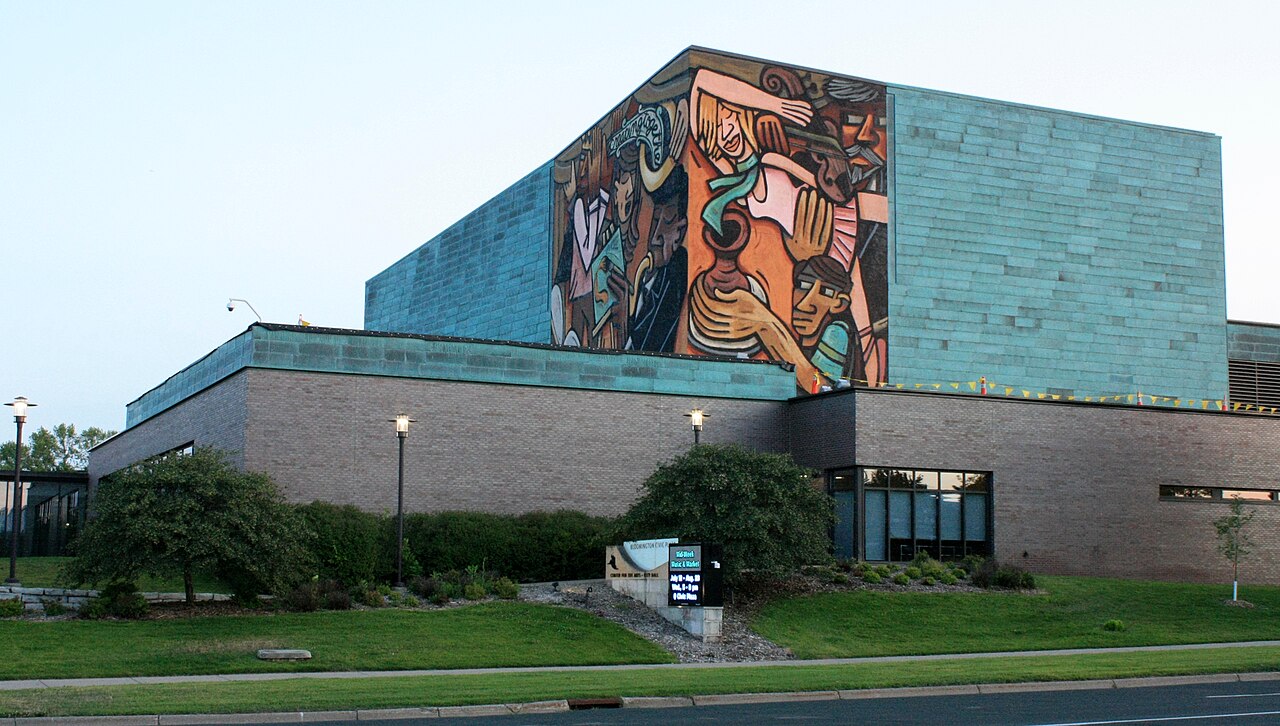


Geography and neighborhoods
The city occupies riverfront and bluff terrain along the Minnesota River and stretches north toward the more urbanized parts of the Twin Cities. Bloomington includes a mix of single-family residential areas, multi-family housing, and commercial corridors. Several parks and natural areas preserve river frontage, wetland habitat, and woodland, offering trails and outdoor recreation close to the metropolitan core.
History and development
Bloomington developed from 19th-century settlement and agriculture into a suburban community as the Twin Cities expanded. Post–World War II suburbanization and highway construction shaped much of its modern growth. Over time the city attracted retail, hospitality, and entertainment investment, while maintaining municipal parks and community services that support residents and visitors.
Economy, attractions, and role in the region
Bloomington plays a significant economic role in the region through retail, convention and leisure services, and transportation-related businesses. The Mall of America anchors a large hospitality and retail cluster, providing shopping, dining, and family-oriented attractions. The city's location near the core of the Twin Cities also makes it accessible to major employers, cultural institutions, and sports venues across the metropolitan area. For regional context see the Twin Cities metropolitan area information.
Transportation and accessibility
Bloomington is well connected by highways and public transit that link it to Minneapolis, Saint Paul, and suburban communities. Its proximity to the Minneapolis–Saint Paul airport and to freeway corridors has encouraged hotel, convention, and logistics development. Transit service and road networks help support commuting, tourism, and commercial traffic.
Notable facts and distinctions
- The Mall of America is the city’s most prominent attraction and a major regional draw for visitors.
- Bloomington balances urban amenities with substantial parkland and riverfront open space.
- Its location in the Twin Cities region makes it an integral suburban center linking residential life, commerce, and transportation.
As part of a large metropolitan area, Bloomington is best understood both for its local neighborhoods and for the regional functions it serves: retail and entertainment destination, transport-adjacent commercial hub, and residential community within the Minneapolis–Saint Paul metropolitan economy.
Tags
Related articles
Author
AlegsaOnline.com Bloomington, Minnesota: Suburban City and Home of the Mall of America Leandro Alegsa
URL: https://en.alegsaonline.com/art/12296