
Joaquim Chissano — Mozambican statesman and president (1986–2005)
Joaquim Alberto Chissano (born 1939) led Mozambique from 1986 to 2005, guiding the country from civil war toward peace, multiparty elections and reconstruction; he also chaired the African Union.
Joaquim Alberto Chissano (born 22 October 1939) is a Mozambican politician and diplomat who served as the country's president from 1986 until 2005. His long tenure is most noted for guiding Mozambique through a transition from protracted civil conflict to negotiated peace, post‑war reconstruction and the introduction of competitive multiparty politics. He is widely regarded as an influential African statesman and has held regional leadership roles, including the chair of the African Union.
Image gallery
5 Images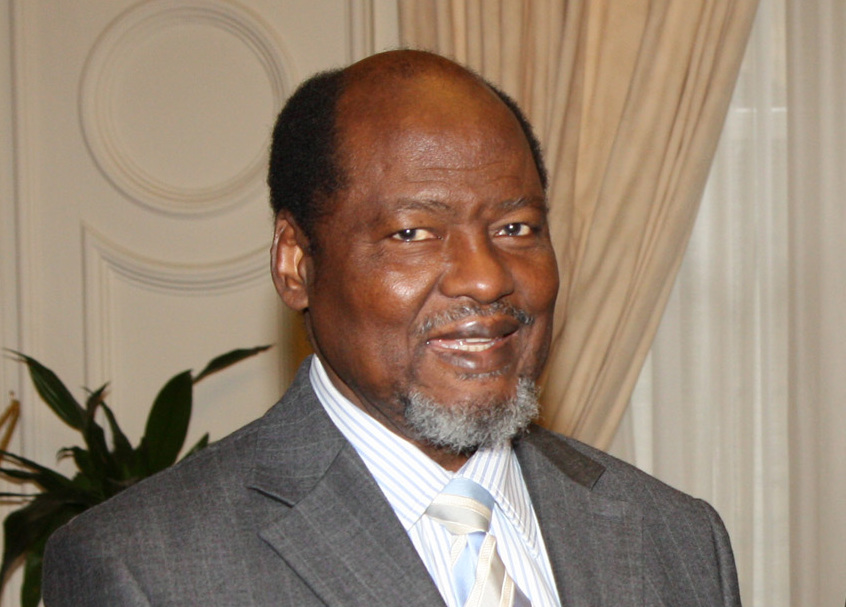


Political rise and presidency
Chissano came to national leadership in the mid-1980s at a time when Mozambique was facing a humanitarian and security crisis. Assuming the presidency after the death of his predecessor, he led efforts to stabilize the country and to open political and economic space for reconstruction. Under his leadership, the state moved toward market-oriented reforms, sought international support for recovery, and prepared the institutions needed for national elections.
Peace process and democratic transition
One of Chissano's most consequential achievements was negotiating an end to the civil war with the main rebel movement. The peace settlement established disarmament, demobilization and reintegration programs and created a framework for national reconciliation. Mozambique held its first multiparty elections in the early 1990s; these elections marked a clear break from single-party rule and set a pattern of relatively peaceful political competition thereafter.
Policies and governance
During his presidency Chissano pursued a combination of political liberalization and economic reform. His government worked with international donors and financial institutions to address macroeconomic instability, rebuild infrastructure and expand basic services. While challenges such as poverty, inequality and institutional capacity remained, his administration prioritized measures to attract investment and aid for reconstruction.
International roles and recognition
Beyond Mozambique, Chissano played an active role in regional diplomacy and African affairs. He served as chairperson of continental bodies and represented Mozambique in international fora. His leadership earned him international recognition and awards for statesmanship and for promoting peace and democratic governance in Africa.
Legacy and significance
Chissano's legacy is mixed but distinct: he is credited with guiding a war-weary nation toward stability, helping establish a multi-party system and overseeing a sustained peacetime period after decades of conflict. Scholars and observers often cite Mozambique under his leadership as an example of successful peacebuilding and political transition in sub-Saharan Africa. His voluntary departure from office in 2005 and continued engagement as an elder statesman contributed to his reputation as a pragmatic leader focused on national recovery.
- Presidency: 1986–2005
- Key achievements: negotiated peace, held multiparty elections, attracted reconstruction aid
- Regional role: served as chair of the African Union
Related articles
Author
AlegsaOnline.com Joaquim Chissano — Mozambican statesman and president (1986–2005) Leandro Alegsa
URL: https://en.alegsaonline.com/art/122154
Sources
- independent.co.uk : "Joaquim Chissano: Democrat among the despots"