
Jeezy (Jay Wayne Jenkins) — Atlanta rapper and trap music figure
Overview of rapper Jeezy (Jay Wayne Jenkins), his music career, notable albums and collaborations, stylistic role in trap hip hop, and his cultural impact.
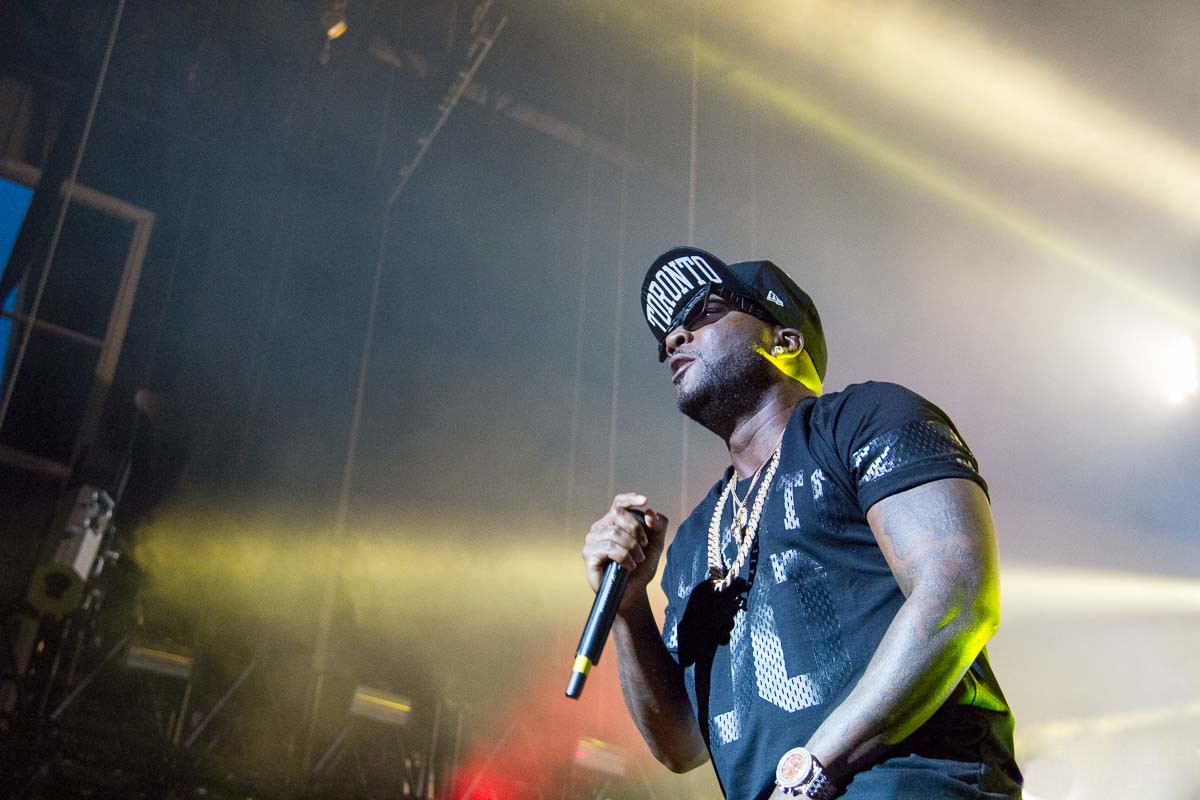
Jay Wayne Jenkins, known professionally as Jeezy (formerly Young Jeezy), is an American hip hop artist recognized for his role in the development of modern trap music. Emerging in the early 2000s, he built a reputation for gritty street narratives, emphatic delivery, and a businesslike approach to fame. Over more than two decades he has recorded as a solo performer and as a member of rap groups, contributing to both mainstream hits and underground influence.
Image gallery
3 Images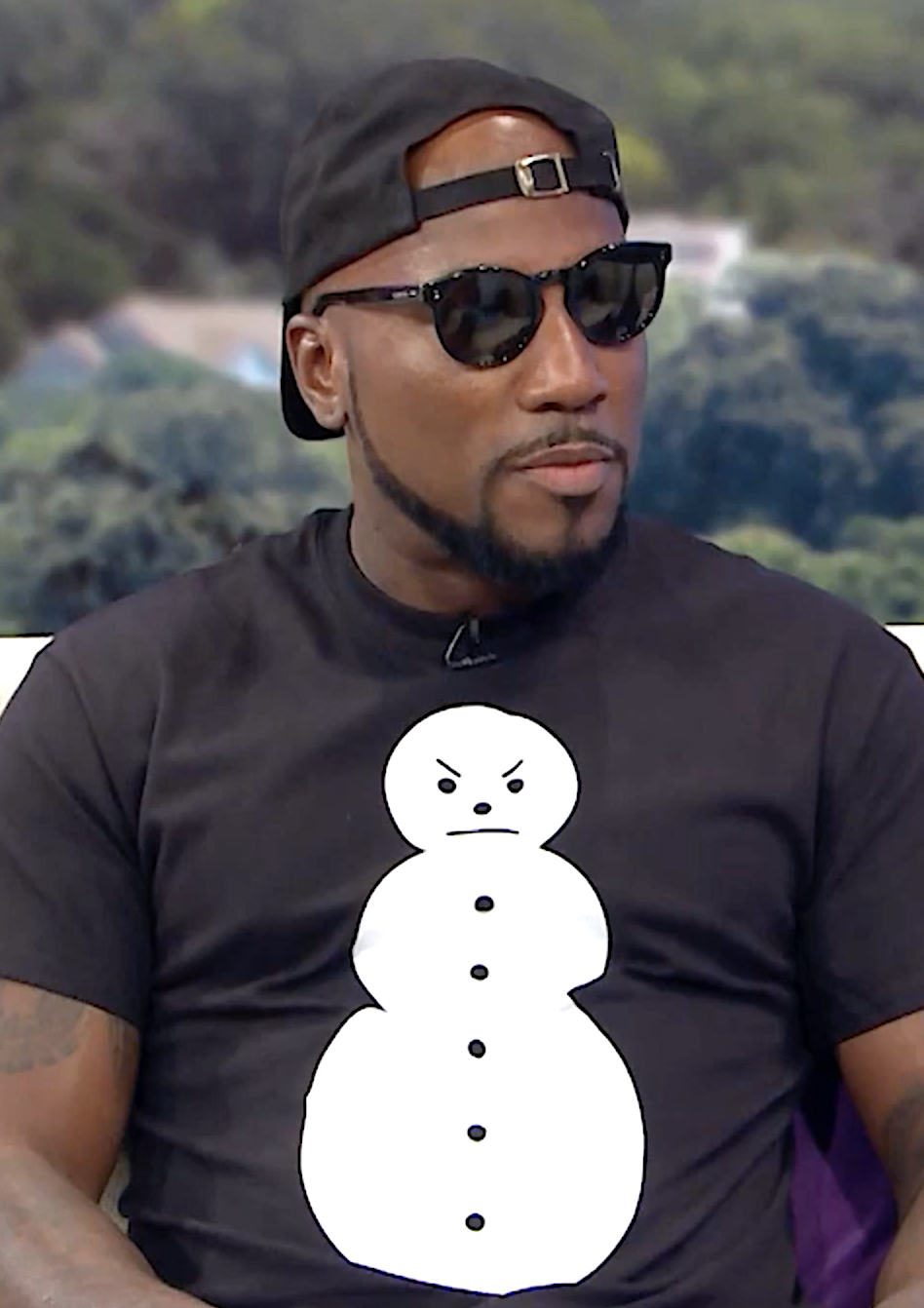
Musical style and themes
Jeezy's work is frequently associated with the Atlanta trap scene: hard-hitting beats, sparse melodic hooks, and lyrics focused on economic struggle, survival, and status. His vocal style blends a raspy, urgent cadence with melodic refrains, and his records often mix club-ready singles with darker, atmospheric tracks. Many observers categorize him as a rapper whose persona balances credibility on the street with commercial appeal in pop and R&B collaborations.
Career development and major releases
He began recording in the early 2000s and joined the ensemble Boyz N Da Hood in 2005, gaining wider exposure through group activity. That same year his major-label solo debut Let's Get It: Thug Motivation 101 established him as a solo star; the single "Soul Survivor," featuring Akon, became a top-ten hit and introduced his sound to a broader audience. He followed with albums such as The Inspiration (2006) and The Recession (2008), each reinforcing his commercial presence and offering a mix of street anthems and mainstream singles. The Recession in particular arrived during an era of economic concern and included songs that tapped into themes of hardship and resilience.
Collaborations and notable singles
- "Soul Survivor" (with Akon) — breakout single from 2005.
- Featured appearances on pop and R&B tracks, including Christina Milian's "Say I" (Christina Milian), Akon's "I'm So Paid," and Usher's "Love in This Club" (Usher) — the latter reached number one on the Billboard Hot 100 (Billboard Hot 100) in 2008.
- Group projects with USDA and Boyz N Da Hood, which kept him connected to collaborative street-oriented releases.
Impact, business and legacy
Beyond records, Jeezy has been notable for translating street credibility into entrepreneurial activity and public visibility. He helped popularize a trap aesthetic that influenced a generation of Southern rappers and producers. His straightforward, motivational phrasing—emphasizing hustle and self-reliance—led to a distinct identity within hip hop culture. Over time he shifted from the Young Jeezy moniker to the shorter Jeezy, marking a maturation in public persona and a broader engagement with both music and civic matters.
Notable facts and distinctions
- He performed in groups and as a solo artist, successfully crossing into mainstream pop collaborations.
- Several of his albums produced charting singles and helped define trap's mainstream emergence.
- Collaborations with high-profile artists increased his visibility beyond hip hop; for example, appearances alongside Akon, Christina Milian, and Usher reached diverse audiences.
For listeners exploring his catalog, key entry points are his early major-label albums and the high-profile singles that brought him radio play and crossover success. Additional context on chart performance and specific releases can be found through music industry resources and artist discographies linked on official sources and music databases (artist credits).
Questions and answers
Q: Who is Jay Wayne Jenkins?
A: Jay Wayne Jenkins is an American rapper known by the stage name Jeezy.
Q: What hip-hop groups was Jeezy a part of?
A: Jeezy was a part of the hip-hop groups USDA and Boyz N Da Hood.
Q: When did Jeezy begin performing and recording?
A: Jeezy began performing and recording in 2001.
Q: When did Jeezy release his first solo album on a major label?
A: Jeezy released his first solo album on a major label, Let's Get It: Thug Motivation 101, in 2005.
Q: What was one of Jeezy's top-ten hits in America?
A: Jeezy's single "Soul Survivor", with Akon, became a top-ten hit in America.
Q: What were the names of Jeezy's albums released after Let's Get It: Thug Motivation 101?
A: The Inspiration was the next album in 2006, followed by The Recession in 2008.
Q: What songs has Jeezy performed on by other rap and R&B artists?
A: Jeezy has performed on songs such as "Say I" by Christina Milian, "I'm So Paid" by Akon, and "Love in This Club" by Usher, which was a number one single on the Billboard Hot 100 in 2008.
Related articles
Author
AlegsaOnline.com Jeezy (Jay Wayne Jenkins) — Atlanta rapper and trap music figure Leandro Alegsa
URL: https://en.alegsaonline.com/art/121725
Sources
- allmusic.com : "Jeezy: Biography"