
Gonzalo Córdova — President of Ecuador (1924–1925)
Gonzalo Córdova (1863–1928) was an Ecuadorian politician and president whose short administration (1924–1925) was closely associated with coastal economic interests and was ended by the Revolución Juliana.
Overview
Gonzalo Segundo Córdova y Rivera (15 July 1863 – 13 April 1928) served as President of Ecuador from 1924 until 1925. A member of the Liberal Party, his presidency came at the end of a prolonged period of Liberal dominance in Ecuadorian politics. His time in office is often remembered for the strong influence of coastal commercial and banking groups and for the political crisis that brought his government to an abrupt end.
Image gallery
1 Image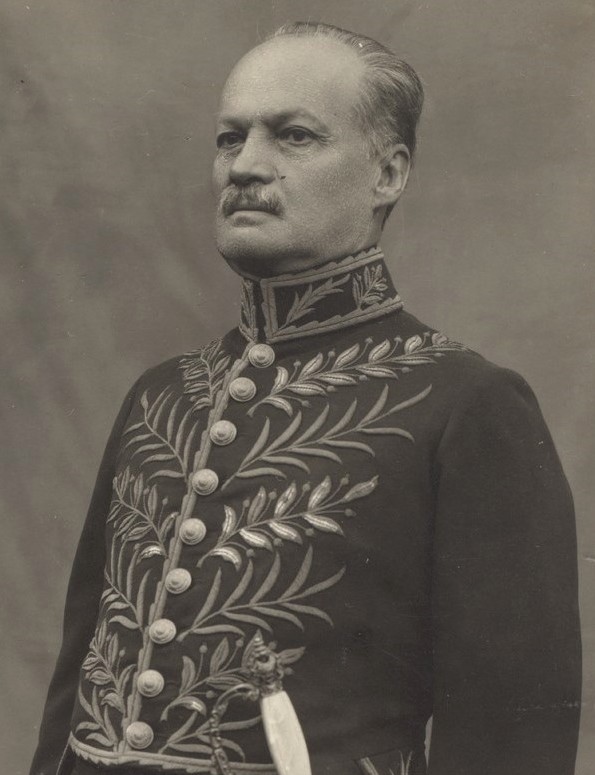
Political context and influences
Córdova governed in an era when Ecuador's economy was heavily dependent on agricultural exports, especially cocoa, and when regional rivalry between the coastal provinces and the Andean highlands shaped national politics. Like several Liberal leaders before him, he was widely viewed as accommodating to a powerful circle of coastal economic elites. Critics identified a network of bankers, merchants and plantation owners—sometimes described pejoratively as "La Argolla"—who exercised disproportionate influence over government decisions.
Among the most prominent institutions in that network was the Commercial and Agricultural Bank of Guayaquil, which played an outsized role in coastal finance. Contemporary accounts associate the bank and its leading figures with policy direction during Córdova's administration; one prominent name linked to this circle was Francisco Urbina Jado. Scholars frequently point to these links to explain the administration's limited independence from elite interests. For further basic reference see Commercial and Agricultural Bank of Guayaquil and the entry on Gonzalo Córdova.
Downfall and aftermath
Widespread dissatisfaction over economic management, political patronage and social unrest culminated in a military and civic movement known as the Revolución Juliana in July 1925, which removed Córdova from office. The coup ushered in a provisional government that pursued administrative and fiscal reforms aimed at reducing the power of traditional elites and modernizing the state. The events of 1925 mark a turning point in Ecuadorian political history, beginning a period of experimentation with new institutional arrangements and greater military involvement in politics.
Legacy and significance
- Symbol of the late-Liberal era: Córdova's presidency is often cited as typical of the era when regional oligarchies influenced national policy.
- Trigger for reform: His overthrow highlighted popular and military frustration with elite control and helped set the stage for reforms pursued after 1925.
- Historical debate: Historians debate how much agency Córdova himself exercised versus how much he was constrained by party networks and economic interests.
While Córdova's time in office was brief, the circumstances of his administration and removal illuminate broader themes in early 20th-century Ecuador: the tensions between regional elites and emerging reformist currents, the role of the military in politics, and the economic dependency on export agriculture that shaped public life and policy.
Related articles
Author
AlegsaOnline.com Gonzalo Córdova — President of Ecuador (1924–1925) Leandro Alegsa
URL: https://en.alegsaonline.com/art/119949