
Georgi Parvanov
Georgi Parvanov (born 28 June 1957) is a Bulgarian historian and politician who served as President of Bulgaria from 2002 to 2012 and supported the country's accession to NATO and the EU.
Georgi Sedefchov Parvanov (Bulgarian: Георги Седефчов Първанов, born 28 June 1957) is a Bulgarian historian and politician best known for serving two terms as President of the Republic of Bulgaria from 2002 to 2012. Initially associated with the Bulgarian Socialist Party, Parvanov won the 2001 presidential election, defeating incumbent Petar Stoyanov (opponent) in a second round and took office on 22 January 2002.
Image gallery
9 Images


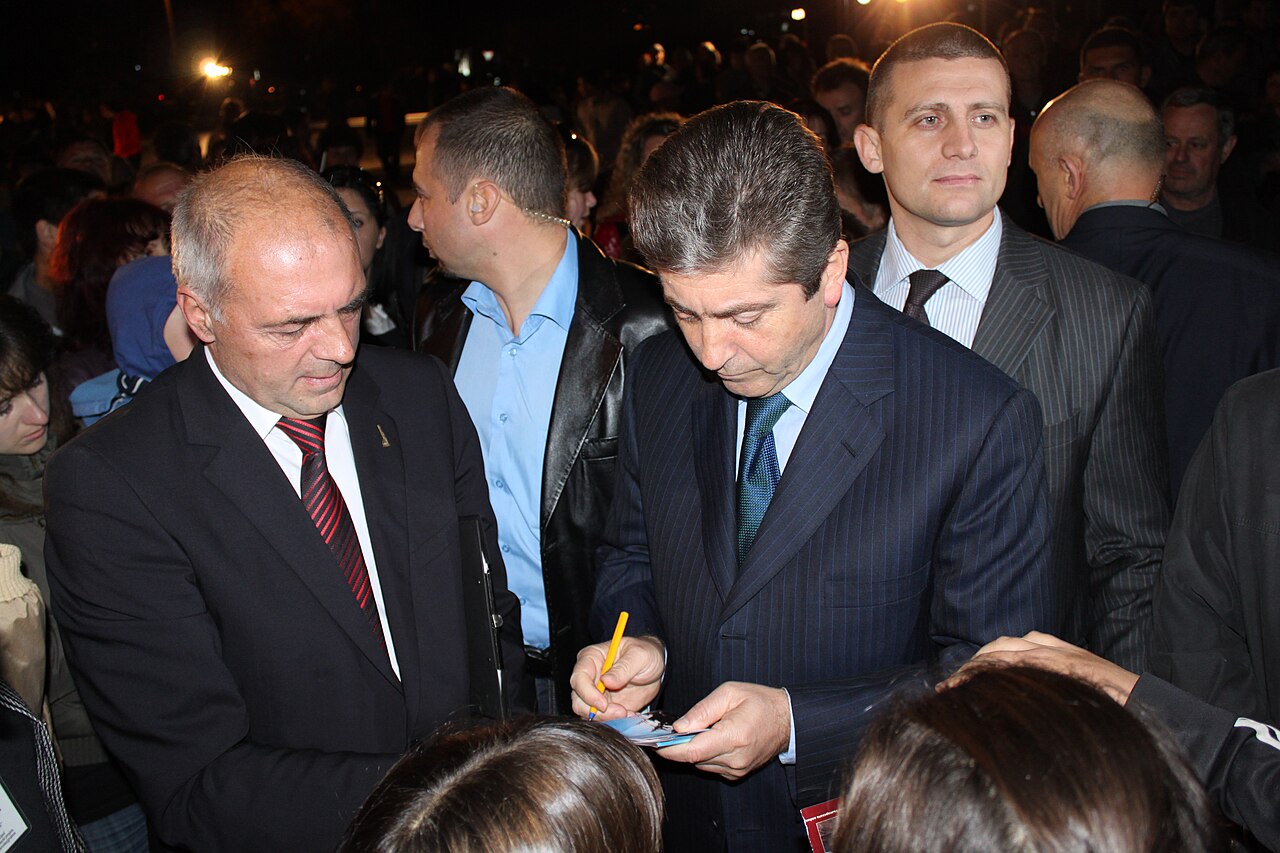


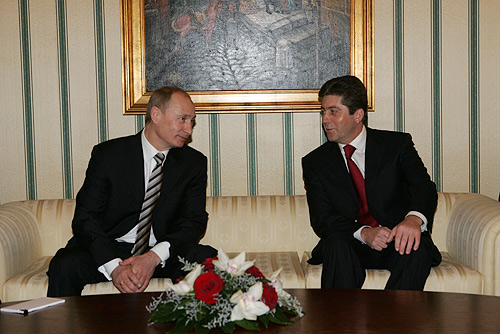
Early life and career
Parvanov trained as a historian and worked in academic and research roles before entering national politics. His scholarly background shaped his public image as a reflective and historically minded figure. Like many leaders who emerged in the post-communist period, aspects of his early professional path were the subject of public discussion during his political career. He gained prominence within his party and the broader political scene in the late 1990s and early 2000s.
Presidency (2002–2012)
Parvanov served two consecutive terms as president, becoming the first Bulgarian head of state to complete two full terms. His tenure coincided with a period of major foreign policy reorientation for Bulgaria. He publicly supported Bulgaria’s bids to join Euro-Atlantic institutions and used the moral and rhetorical authority of the presidency to advocate for membership in both the North Atlantic Treaty Organization and the European Union. Observers note that his role was primarily ceremonial but also important in building consensus and representing Bulgaria abroad during the accession process.
Policies and priorities
Throughout his presidency Parvanov emphasized political stability, the rule of law, and integration with Western institutions. He supported domestic reforms intended to meet the criteria for Euro-Atlantic membership and sought to present Bulgaria as a reliable partner to NATO (NATO) and to prospective European partners leading up to accession to the European Union (EU).
Controversies and public debate
Parvanov’s decade in office included routine political disagreements and some public debate over his past and decisions while in office. Critics sometimes questioned his political alliances or choices; supporters pointed to the symbolic and practical achievements of the period, particularly accession to international organizations and increased international visibility for Bulgaria.
After the presidency and legacy
After leaving office in 2012 Parvanov remained active in public life, participating in political initiatives and commenting on national issues. His presidency is commonly remembered for guiding Bulgaria into Euro-Atlantic structures and for being the country’s first two-term president, a milestone in Bulgaria’s democratic consolidation.
Related articles
Author
AlegsaOnline.com Georgi Parvanov Leandro Alegsa
URL: https://en.alegsaonline.com/art/119682