
Emil Theodor Kocher — Swiss surgeon and Nobel Prize laureate
Emil Theodor Kocher (1841–1917) was a Swiss surgeon renowned for pioneering thyroid surgery, improving operative technique and patient safety; awarded the 1909 Nobel Prize for his work on the thyroid.
Emil Theodor Kocher (August 25, 1841 – July 27, 1917) was a Swiss surgeon and educator best known for transforming surgical practice in the late 19th and early 20th centuries. Trained and later based in Bern, Kocher combined meticulous technique, careful observation and systematic study to reduce complications and advance the scientific understanding of endocrine and surgical disorders.
Image gallery
5 Images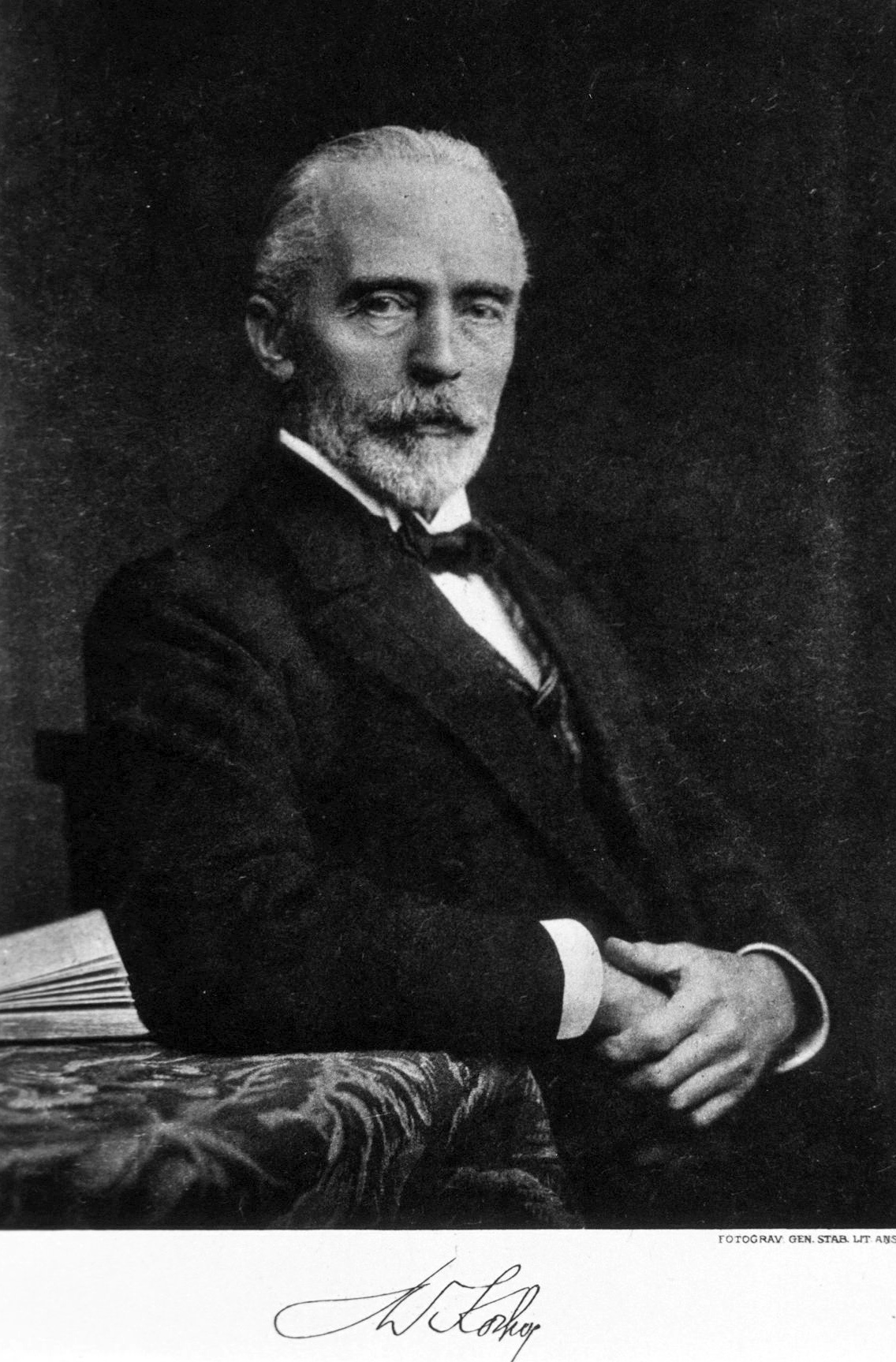


Early life and career
Kocher studied medicine in Switzerland and Germany and rose to prominence as chief of the surgical clinic at the University of Bern. He emphasized rigorous training for assistants and students, careful record keeping and an investigative approach to clinical problems. His leadership turned Bern into an influential center for operative surgery and surgical education.
Contributions to surgery
Kocher introduced improvements in operative technique that enhanced patient safety: precise haemostasis, gentle tissue handling, and strict infection control. He applied scientific methods to evaluate outcomes and modify procedures accordingly. Although he is most often associated with the thyroid, his influence extended to abdominal and trauma surgery through standardized approaches and teaching.
Thyroid research and the Nobel Prize
For decades Kocher studied the physiology, pathology and surgical treatment of thyroid disease. His careful clinical observations, operative refinements and publications changed how goiter and other thyroid conditions were treated. In 1909 he was awarded the Nobel Prize in Physiology or Medicine "for his work on the physiology, pathology and surgery of the thyroid gland," a recognition of both his clinical results and contributions to medical knowledge.
Eponyms and notable techniques
- Kocher clamp/forceps — a hemostatic instrument still widely used in surgery.
- Kocher incision — a subcostal approach employed in upper abdominal operations.
- Kocher manoeuvre — a method to mobilize the duodenum and pancreas for exposure.
These eponyms reflect practical innovations that persist in modern operative practice and training.
Legacy
Kocher's legacy lies in the combination of technical mastery, systematic outcome assessment and exacting teaching. His work helped lower operative mortality and established principles of safe surgery that influenced generations of surgeons. He is remembered as a practitioner who brought scientific rigor to the operating theatre and made lasting contributions to both surgical technique and clinical endocrinology.
Related articles
Author
AlegsaOnline.com Emil Theodor Kocher — Swiss surgeon and Nobel Prize laureate Leandro Alegsa
URL: https://en.alegsaonline.com/art/118446
Sources
- nobelprize.org : "Biography of Emil Theodor Kocher"
- nobelprize.org : "The Nobel Prize in Physiology or Medicine 1909"