
Eleftherios Venizelos
Greek statesman (1864–1936), dominant political leader of early 20th-century Greece; prime minister who led modernization, territorial expansion, and shaped Greece’s role in the Balkan Wars and World War I.
Eleftherios Kyriakou Venizelos (born 23 August 1864, died 18 March 1936) was a leading Greek politician and statesman. His full name in Greek is Ἐλευθέριος Κυριάκου Βενιζέλος. He is best known for serving several terms as Prime Minister of Greece during pivotal moments in the nation's modern history and for founding a liberal political movement that dominated Greek politics for decades.
Image gallery
10 Images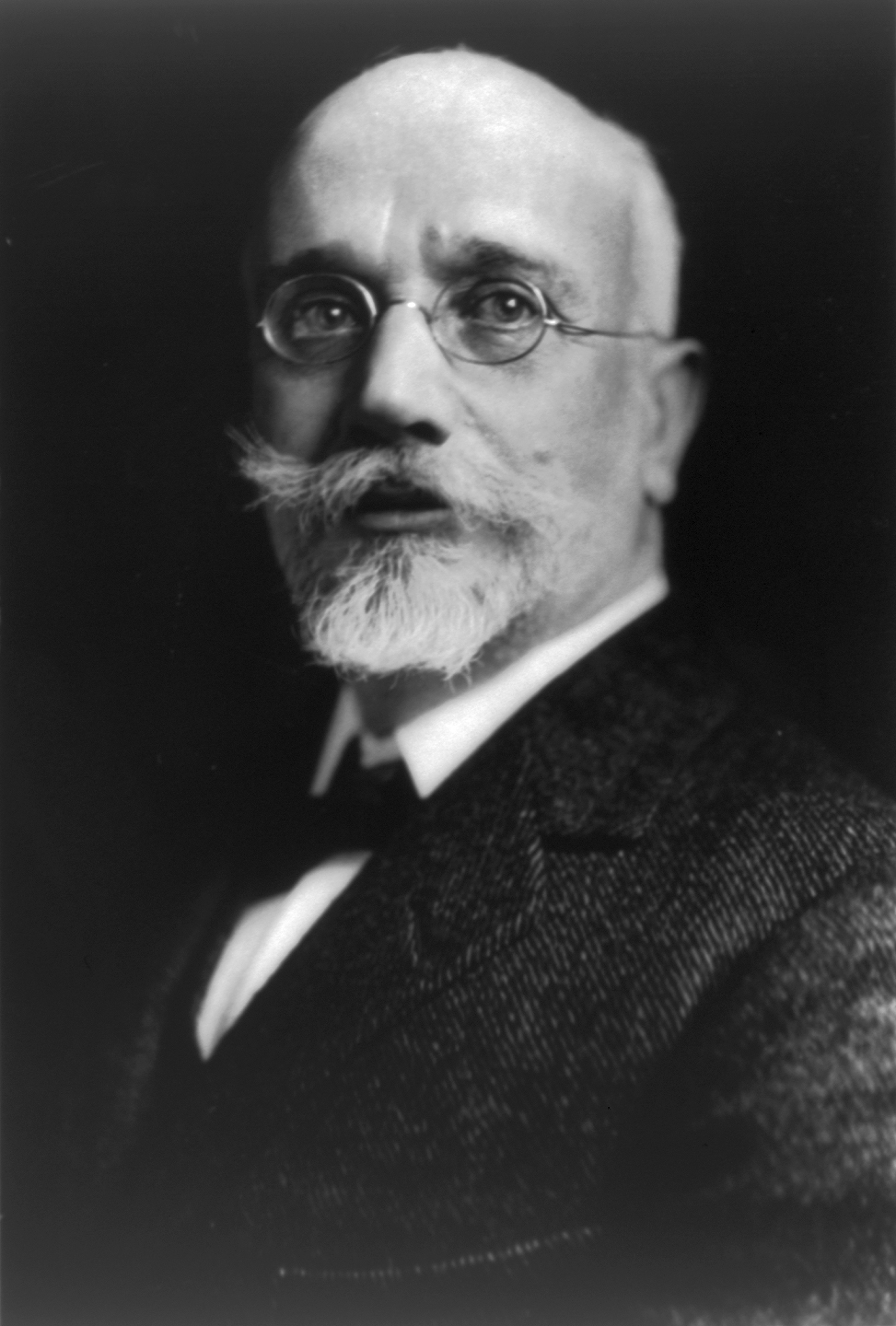


Overview of career
Venizelos rose from local leadership in Crete to national prominence. Elected to lead a reformist program, he became the central figure in the expansion and institutional modernization of the Greek state in the early 20th century. His time in office included periods of intense diplomatic activity, internal political conflict, and social and administrative reforms aimed at aligning Greece with contemporary European states.
Major actions and historical context
Venizelos played a key role in the Balkan Wars and in diplomatic negotiations that followed, which resulted in territorial gains for the Greek state. During World War I he favored alignment with the Entente powers, a stance that deepened tensions with the monarchy and contributed to the episode known as the National Schism—a profound political and social division between Venizelist and royalist camps. His policies and political choices shaped Greece's foreign relations and its position in the eastern Mediterranean.
After electoral defeat and political exile in 1920 he returned to office in later years, beginning another period of governance in 1928. His initiatives in that era focused on economic recovery, institutional reform and attempts to stabilize the country after a series of military and diplomatic setbacks.
Reforms and political legacy
Venizelos is associated with a broad program of modernization: changes to public administration, efforts to reform the legal and educational systems, army reorganization, and measures to promote economic development. He founded and led the Liberal Party, which became a major organized political force. His tenure left a lasting imprint on Greek parliamentary practice and public life, even as his career provoked sharp controversy.
Notable facts
- Multiple-term prime minister and founder of the Liberal movement in modern Greek politics.
- Instrumental in Greece’s territorial expansion during the early 20th century through wars and diplomacy.
- Central figure in the National Schism, a defining domestic conflict of the period.
- Implemented modernization programs in administration, education and defense.
- Viewed both as a national reformer and as a polarizing political actor, depending on perspective.
Scholars and the public continue to debate Venizelos’s record: he is celebrated for state-building and modernization while also criticized for the political polarization that accompanied his rise. His influence on 20th-century Greek history remains widely acknowledged, and he is remembered as one of the most consequential Greek leaders of his era.
Related articles
Author
AlegsaOnline.com Eleftherios Venizelos Leandro Alegsa
URL: https://en.alegsaonline.com/art/118265
Sources
- time.com : 'Liberty Still Rules'
- britannica.com : "Venizélos, Eleuthérios"