
Ed Schafer: North Dakota Governor, Business Leader, and U.S. Agriculture Secretary
Biography of Ed Schafer, Republican governor of North Dakota (1992–2000), businessman and U.S. Secretary of Agriculture (2008–2009), covering his life, career, initiatives and public service.
Overview
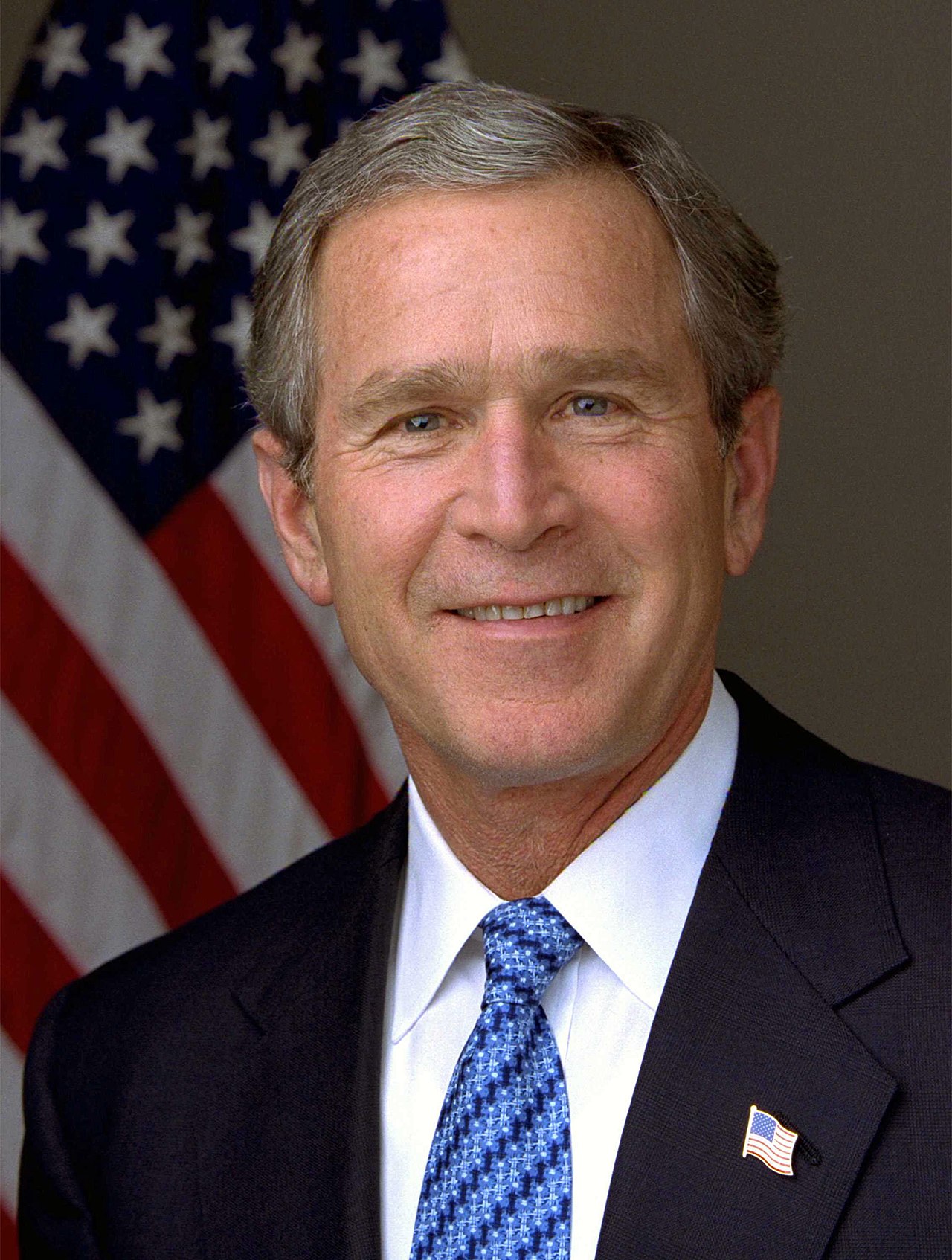
Edward Thomas "Ed" Schafer is an American politician and entrepreneur best known for serving two terms as governor of North Dakota and for a brief tenure as U.S. Secretary of Agriculture. A member of the Republican Party, Schafer combined private‑sector experience with state and federal public service. His career has spanned business leadership, state executive responsibilities and a cabinet role in Washington. He is associated with efforts to diversify rural economies, expand export markets for agricultural products, and modernize communications and services for rural communities.
Image gallery
2 Images
Early life and education
Schafer was born and raised in Bismarck, North Dakota, into a family with deep ties to the region's agricultural and commercial life. His grandfather emigrated from Denmark and established a homestead in Hettinger County; Schafer spent summers on that farm and learned about farming and ranching firsthand. He completed a bachelor's degree in Business Administration at the University of North Dakota and earned an MBA from the University of Denver. Those academic credentials were followed by positions in the family business and other entrepreneurial ventures that shaped his approach to management and public policy.
Business career and entrepreneurship
Before entering elected office, Schafer was a senior executive at Gold Seal Company in Bismarck, a consumer products firm founded by his father, Harold Schafer. At Gold Seal he rose to become president and led a period of expansion that included new product introductions and acquisitions; under his leadership the company grew significantly in sales and value and was ultimately sold in the mid‑1980s. Schafer afterward launched and managed several private ventures, from commercial real estate to specialty enterprises such as aquaculture and classic car dealerships. He later helped start a regional telecommunications effort aimed at extending wireless voice and data service into rural areas. Those business experiences informed his emphasis on economic development, value‑added industry and private‑public partnerships during his political career.
Governorship: priorities and initiatives (1992–2000)
Elected governor of North Dakota in 1992, Schafer served two terms and pursued a platform centered on economic diversification, cost containment in government, and strengthening agriculture as an engine of the state economy. His administration promoted the development of value‑added agricultural processing — for example, encouraging pasta and corn sweetener production — to broaden the state's job base beyond commodity farming. Schafer supported expanding export opportunities for North Dakota producers, including outreach to emerging markets, and sought improvements to telecommunications infrastructure so farmers and rural businesses could access high‑speed voice and data services.
As governor he managed a state workforce of roughly 12,000 employees and directed a multi‑billion dollar state budget while leading emergency responses such as the recovery from the severe flooding that affected the Grand Forks area in 1997. He also engaged regionally as chair of the Western Governors' Association, where he promoted the use of technology to lower delivery costs for government programs and expand telemedicine in remote communities. In 2000 he chaired the Republican Governors Association and helped launch the Governors Biotechnology Partnership to increase public understanding of agricultural biotechnology.
U.S. Secretary of Agriculture and public roles
Schafer was sworn in as the 29th Secretary of Agriculture on January 28, 2008, joining the U.S. Department of Agriculture after his years in state government and business. In that cabinet post he emphasized trade, rural development and the needs of producers, serving during a period of attention to both domestic farm policy and international market access. His time at the USDA was short, concluding with the change of administration in January 2009, but it reflected his longstanding focus on markets and infrastructure for rural America. For further context on his federal service and related initiatives, see official statements and biographical summaries available from public sources: USDA biography and department overview.
Beyond elected and appointed office, Schafer has remained engaged in civic and nonprofit activities in North Dakota. He helped arrange preservation efforts related to historic ranchland associated with President Theodore Roosevelt and served on the board of organizations that support tourism and cultural heritage in western North Dakota. He also co‑founded or backed technology and communications projects intended to serve rural customers, reflecting a recurring interest in applying private capital and innovation to public challenges.
Notable accomplishments and distinctions
- Two‑term governor focused on economic diversification, agricultural value‑added production and rural infrastructure.
- Managed state government operations, budget oversight and emergency response during major events such as the 1997 Grand Forks floods.
- Led regional and national governors' initiatives on technology, telemedicine and biotechnology outreach.
- Served as U.S. Secretary of Agriculture (sworn in January 28, 2008) and emphasized trade expansion and rural services.
- Combined executive experience in family‑founded Gold Seal Company and multiple private ventures with public leadership roles.
Personal life and legacy
Schafer's biography reflects a blend of Midwestern roots, private‑sector accomplishment and public service. He has been active in state cultural and conservation projects and has continued to promote rural economic opportunity through business and nonprofit work. Outside of work he is known for outdoor pursuits such as bicycling, hiking and restoring classic automobiles, and for family life with his wife and children. For readers seeking primary source material or official summaries, additional information is available through archived profiles and organizational pages: state biography, cabinet records and foundation or nonprofit pages.
Schafer’s career illustrates a common American public‑service path in which local upbringing, business leadership and state office converge to shape national policy engagement. His work emphasizes practical measures to strengthen rural economies, expand market access for agricultural producers and apply modern communications and technology to the challenges of sparsely populated regions.
Related articles
Author
AlegsaOnline.com Ed Schafer: North Dakota Governor, Business Leader, and U.S. Agriculture Secretary Leandro Alegsa
URL: https://en.alegsaonline.com/art/118207