
Daniele da Volterra (Daniele Ricciarelli): Italian Mannerist Painter and Sculptor
Italian Mannerist painter and sculptor (c.1509–1566), associate of Michelangelo. Best known for the Descent from the Cross (Trinità dei Monti) and for adding draperies to figures in Michelangelo's Last Judgment.
Overview
Daniele Ricciarelli, commonly called Daniele da Volterra (c.1509 – 4 April 1566), was an Italian artist whose work belongs to the Mannerist period. Born in Volterra, he spent much of his career in Rome where he developed as both a painter and a sculptor. Daniele is remembered for his close professional relationship with Michelangelo: he often executed paintings and sculptures that drew on Michelangelo's drawings or compositional ideas.
Image gallery
10 Images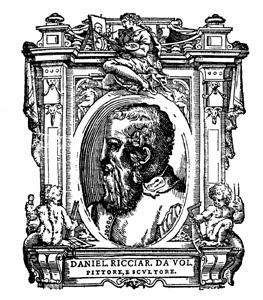



Life and career
Details of Daniele's early training are fragmentary, but by the 1530s he was established in Rome and receiving commissions from churches and private patrons. He worked in a variety of media, producing altarpieces, frescoes, and funerary monuments. His career coincided with shifting tastes and the artistic responses to religious reform in mid-16th-century Italy, which affected both subject matter and pictorial modesty.
Style and influences
Daniele's style reflects the transition from the High Renaissance to Mannerism. His figures often show a sculptural solidity, muscular anatomy and strong gestures reminiscent of Michelangelo, combined with the elegant elongation and artificial poses characteristic of Mannerist aesthetics. He tended toward compact, monumentally organized compositions with dramatic tension and expressive physiognomy.
Major works
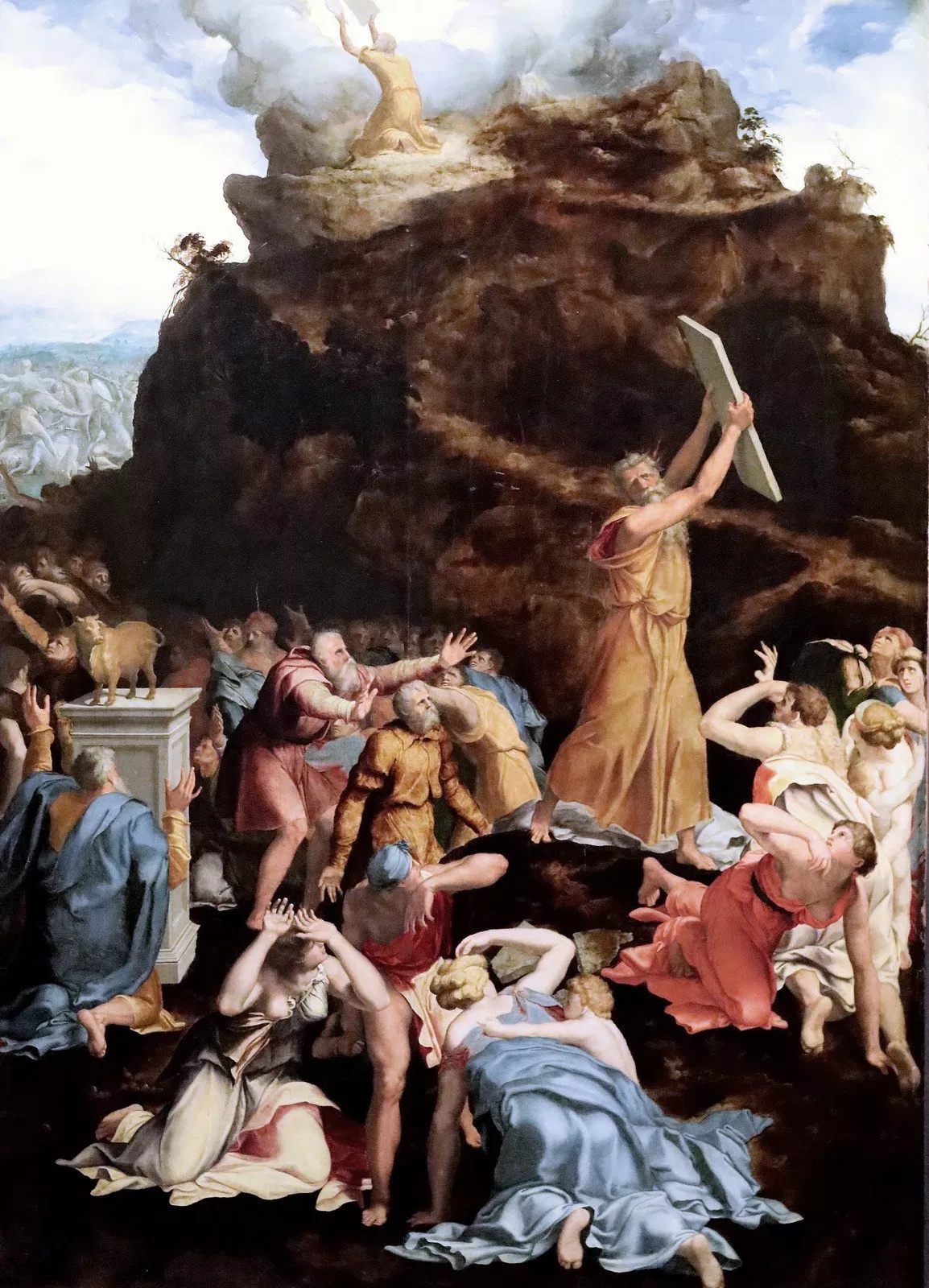
Among his best-known independent works is the painting commonly called the Descent from the Cross in the church of Trinità dei Monti in Rome, admired for its concentrated group of figures and powerful draftsmanship. As a sculptor he executed tombs, statues and architectural decorations for Roman churches and patrons. In several commissions he relied on cartoons or suggestions by other masters, translating drawn designs into finished paintings or reliefs.
The Last Judgment and the nickname "Il Braghettone"
In the climate of post-Tridentine reform, authorities in Rome required greater modesty in sacred images. Daniele became associated with a well-known episode of censorship when he painted draperies over some of the nude figures in Michelangelo's Last Judgment in the Sistine Chapel. For this work he acquired the nickname Il Braghettone (the breeches-maker). The intervention has long prompted debate about artistic intention, historical context and later restoration choices.
Legacy
Art historians consider Daniele da Volterra an important representative of mid-16th-century Roman art, particularly as an intermediary who transmitted aspects of Michelangelo's language to other artists. Though often judged secondary to major contemporaries, his paintings and sculptures are valued for technical skill and expressive force. His career illustrates the interaction of artistic collaboration, patronage and the religious changes that shaped visual culture in Renaissance Rome.
- Born: c.1509, Volterra (Italy)
- Died: 4 April 1566, Rome
- Notable works: Descent from the Cross (Trinità dei Monti); painted additions to Michelangelo's Last Judgment
Related articles
Author
AlegsaOnline.com Daniele da Volterra (Daniele Ricciarelli): Italian Mannerist Painter and Sculptor Leandro Alegsa
URL: https://en.alegsaonline.com/art/116994