
Chandrika Kumaratunga
Chandrika Kumaratunga (born 29 June 1945) is a Sri Lankan politician who served as the country's fifth president (1994–2005), led the Sri Lanka Freedom Party, and survived multiple assassination attempts.
Overview
Chandrika Bandaranaike Kumaratunga is a prominent Sri Lankan political figure who served as the nation's fifth president from 1994 to 2005. She was the first woman to hold the office and led the Sri Lanka Freedom Party (SLFP) for many years. Her presidency combined efforts at economic reform, constitutional change and attempts to negotiate an end to the long-running civil conflict.
Image gallery
5 Images


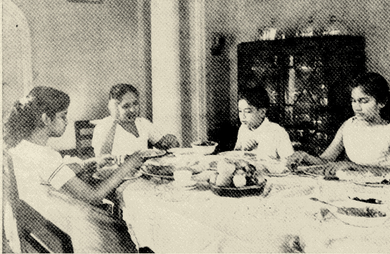
Early life and background
Kumaratunga was born into a family with a long history in Sri Lankan politics: both her parents served as prime minister. She was educated in Sri Lanka and abroad before entering public life. Her family background and personal connections helped shape her political outlook and public profile.
Political career and presidency
She rose through party ranks and led a broad coalition to national victory in the mid-1990s. During her presidency she pursued policies intended to balance market-oriented reforms with social welfare measures, and she promoted initiatives to devolve power to provincial institutions as part of efforts to address ethnic tensions. Her administration faced the twin challenges of economic management and a violent insurgency in the north and east of the country.
Assassination attempts and security
Kumaratunga survived several violent attacks on her life while in office. These events had a major impact on national security policy and on the conduct of peace negotiations. Notably she was wounded in an attack in 1999 but recovered and continued to exercise the powers of her office. Assassination attempts against senior political figures during this period underscored the risks of public service in a time of conflict.
Legacy and later life
After leaving the presidency she withdrew from frontline politics but has remained an influential public figure in Sri Lanka. Assessments of her record note achievements in raising the international profile of the country and initiating talks aimed at reconciliation, while critics point to the incomplete resolution of the civil war and political controversies during her tenure. Her role as a woman leader in South Asia and her efforts to combine political negotiation with institutional reform are central themes in evaluations of her career.
- Major offices: President (1994–2005), Leader of the SLFP
- Notable themes: peace negotiations, constitutional reform, social programs
- Distinctions: first female President of Sri Lanka
Related articles
Author
AlegsaOnline.com Chandrika Kumaratunga Leandro Alegsa
URL: https://en.alegsaonline.com/art/116153