
Betty Ford: First Lady, Advocate for Women's Rights and Addiction Recovery
American First Lady (1974–1977), advocate for women's rights, breast cancer awareness, and addiction treatment; co-founder of the Betty Ford Center and noted for candid public advocacy.
Overview
Elizabeth "Betty" Ford (April 8, 1918 – July 8, 2011) served as the First Lady of the United States from 1974 to 1977 as the wife of President Gerald Ford. Earlier, she was the Second Lady of the United States when her husband was vice president. She became widely known for a plainspoken style and for using her public platform to address issues that were then often private or stigmatized.
Image gallery
10 Images






Life in the White House and public persona
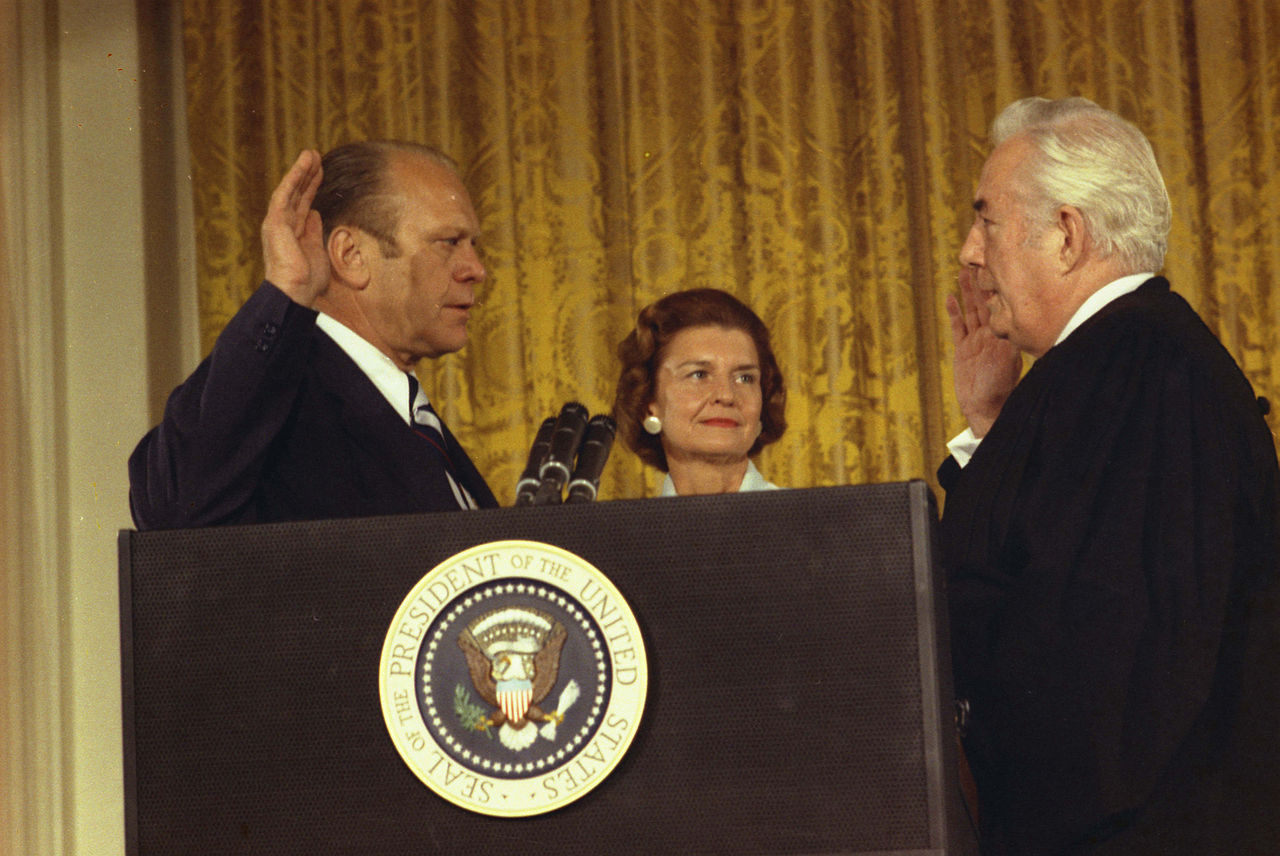
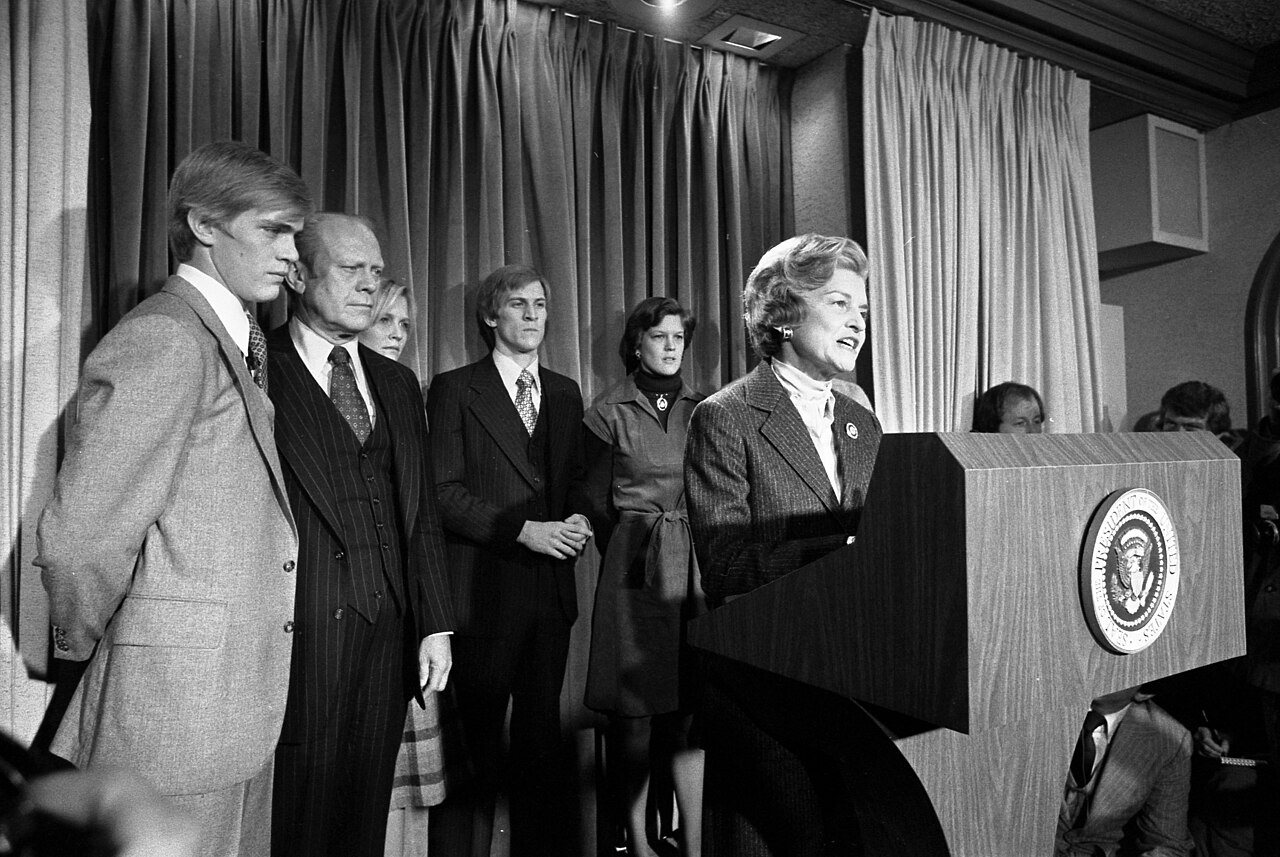
Betty Ford combined traditional ceremonial duties with outspoken advocacy. When Gerald Ford assumed the presidency after the resignation of his predecessor, she became an immediate focal point for media and public attention. Rather than shy away from controversy, she spoke candidly about topics such as women’s roles, reproductive choice, and health matters, attracting both praise and criticism. Her directness changed expectations about the public role a First Lady could play.
Advocacy, illness, and recovery
During and after her time in the White House, Ford faced and disclosed serious personal health challenges. She publicly discussed her experience with breast cancer and the surgery that followed, helping raise awareness and normalize conversations about early detection and treatment. Later she acknowledged struggles with dependency on alcohol and prescription drugs; her openness about entering treatment and recovering helped reduce stigma and encouraged others to seek help.
Legacy and institutions
Betty Ford co-founded a residential treatment center bearing her name, which became a prominent institution for addiction recovery and influenced approaches to treatment nationwide. Her support for women's equality, including public backing of measures to expand legal and social rights, connected her to broader women’s movements of the era. She remained active in public life after leaving the White House and is remembered for bringing private health and social issues into national conversation.
Notable facts
- Known for frankness on topics often considered taboo for public figures.
- Played a significant role in destigmatizing addiction and breast cancer.
- Associated with expanded visibility for First Ladies as advocates on social issues.
Questions and answers
Q: Who was Betty Ford?
A: Betty Ford was an American spokesperson and women's rights activist who served as the First Lady of the United States from 1974 to 1977.
Q: What was Betty Ford's maiden name?
A: Betty Ford's maiden name was Bloomer.
Q: When was Betty Ford born?
A: Betty Ford was born on April 8, 1918.
Q: When did Betty Ford pass away?
A: Betty Ford passed away on July 8, 2011.
Q: What was Betty Ford's husband's name?
A: Betty Ford's husband's name was Gerald Ford.
Q: What role did Betty Ford play when her husband was vice president?
A: When her husband was vice president, Betty Ford served as the Second Lady of the United States from 1973 to 1974.
Q: What other cause did Betty Ford support besides women's rights?
A: Betty Ford also supported addiction recovery, founding the Betty Ford Center to help those struggling with substance abuse.
Related articles
Author
AlegsaOnline.com Betty Ford: First Lady, Advocate for Women's Rights and Addiction Recovery Leandro Alegsa
URL: https://en.alegsaonline.com/art/115100
Sources
- c-span.org : "Susan Ford - C-SPAN.org"
- cnn.com : "Former first lady Betty Ford dies at the age of 93"