
Antonio Ascari
Antonio Ascari (1888–1925) was an Italian Grand Prix driver who raced for Alfa Romeo in the early 1920s. He won major races of his era, became a national motorsport figure, and was father of Alberto Ascari.
Overview
Antonio Ascari (15 September 1888 – 26 July 1925) was an Italian racing driver active in the early years of Grand Prix motor sport. He emerged as one of Italy's most prominent drivers in the 1920s, known for his daring style and his association with the factory Alfa Romeo team. His career helped establish Alfa Romeo's reputation in international road-racing and left a lasting family connection to motorsport through his son, Alberto Ascari.
Image gallery
4 Images


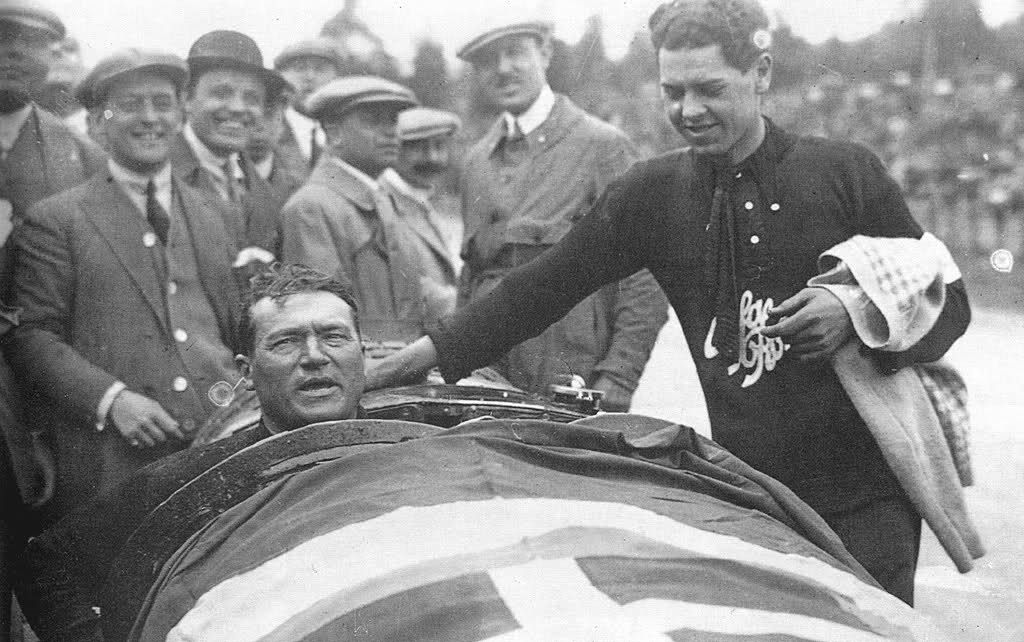
Racing career and cars
Ascari began racing in the years following World War I and became closely linked with Alfa Romeo, driving the company's competitive single-seater machines. He piloted cars developed by engineer Vittorio Jano, including the Alfa Romeo P2, which was one of the dominant Grand Prix designs of the period. Ascari's driving combined raw speed with mechanical sympathy, qualities required when reliability and tyre technology were primitive by modern standards.
Achievements and reputation
Throughout the early 1920s Ascari scored a number of major victories and high-profile placings in national and international Grands Prix. He was widely regarded in Italy and abroad as a leading Grand Prix driver of his era, admired for both his competitiveness and his role in raising the profile of Italian motorsport. His successes contributed to Alfa Romeo's growing stature in international racing.
Death and impact
Ascari was killed during the 1925 racing season after a crash while competing at the French Grand Prix circuit; his death was a stark reminder of the extreme danger of early motor racing. The accident shocked the racing community and the Italian public alike, provoking discussion about safety though substantial improvements would come only gradually in later decades.
Legacy
Antonio Ascari is remembered both for his on-track achievements and for his place in a racing family: his son, Alberto Ascari, became one of the greatest drivers of the 1950s and won consecutive Formula One World Championships. Antonio's career remains a touchstone in the history of Grand Prix racing, emblematic of the sport's formative, heroic period.
Notable facts
- Active in top-level Grand Prix competition during the early 1920s.
- Associated with Alfa Romeo and the Jano-designed P2 race car.
- Father of Alberto Ascari, two-time Formula One World Champion.
- His death highlighted the perilous nature of early open-road and circuit racing.
Related articles
Author
AlegsaOnline.com Antonio Ascari Leandro Alegsa
URL: https://en.alegsaonline.com/art/114420
Sources
- grandprixhistory.org : "Antonio Ascari"