
Angelino Alfano
Italian politician, born 1970, who held senior cabinet roles including Minister of Foreign Affairs (2016–2018) and served as a leading figure in several centre‑right parties.
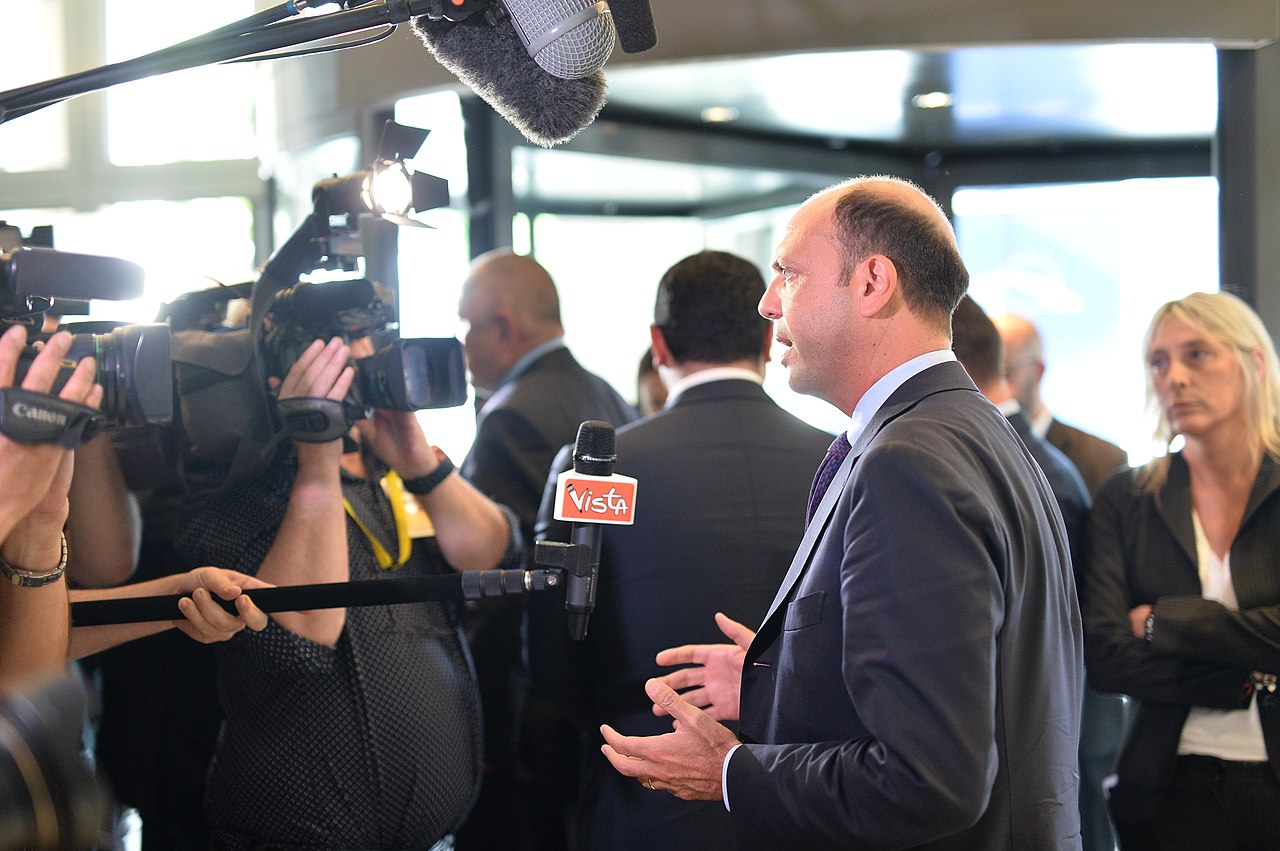
Angelino Alfano (born 31 October 1970) is an Italian politician who has played a prominent role in national governments and centre‑right party politics. He is best known for serving as Italy's Minister of Foreign Affairs from 12 December 2016 to 1 June 2018 in the cabinet of Paolo Gentiloni. Over the course of his career he occupied several senior ministerial posts and was a visible figure during debates on migration, security and coalition realignment.
Image gallery
7 Images




Career highlights
- Minister of Foreign Affairs (2016–2018): led Italy's diplomatic relations during a period that included European migration challenges and multilateral negotiations.
- Minister of the Interior (2013–2016): responsible for domestic security, public order and migration policy while serving in successive governments.
- Party leadership and realignment: a leading actor in centre‑right politics who helped form new groupings after splits within larger parties.
Alfano began his political ascent in the broad centre‑right tradition of Italian politics and later became the founder and leader of a splinter party that sought to preserve a governing majority when his former party moved into opposition. His political moves reflected broader shifts in Italy's fragmented party system during the 2010s, when alliances were frequently reconfigured.
As a minister, Alfano dealt with high‑profile issues such as migration across the Mediterranean, policing and internal security, and Italy's relations with European partners. His tenure attracted both support for pragmatic crisis management and criticism from opponents who argued for different policy directions, particularly over immigration and law enforcement approaches.
Notable aspects of his public life include his role in negotiating coalition arrangements, shaping centre‑right strategy after the decline of older party structures, and representing Italy on the international stage. For an overview of his positions and public roles see an official profile or biographical summary: Angelino Alfano profile.
Alfano's career illustrates the interaction between domestic party politics and government responsibility in contemporary Italy: party leadership decisions affected coalition stability, while ministerial office placed him at the center of policy questions with national and European implications.
Related articles
Author
AlegsaOnline.com Angelino Alfano Leandro Alegsa
URL: https://en.alegsaonline.com/art/114206
Sources
- suffragio.org : "What the Alfano-Berlusconi split means for Italian politics"
- lettera43.it : "Tiziana Miceli, moglie di Alfano e miss consulenze"
- cinquantamila.corriere.it : cinquantamila.corriere.it