
Big Wednesday (1978 film)
A 1978 coming-of-age surfing drama directed by John Milius, following three friends as they navigate surf culture, war, and adulthood; notable for its surf cinematography and enduring reputation among surf communities.
Overview
Big Wednesday is a 1978 American drama film directed by John Milius. Told as a coming-of-age saga, it follows the lives of three young surfers from the 1960s into the 1970s as they face changing times, personal challenges, and the pull of the ocean. The film blends dramatic narrative with extended surf sequences and an emphasis on friendship, memory, and the passage from youth to maturity.
Image gallery
1 Image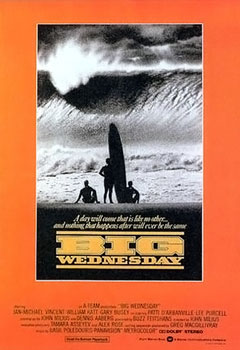
Principal cast and production
The movie stars a mix of established and rising actors alongside real surfers. Principal performers include Jan-Michael Vincent, William Katt, and Gary Busey. Other credited actors are Lee Purcell, Patti D'Arbanville, Joe Spinell, and Robert Englund. The film also features well-known surfing figures such as Gerry Lopez in small roles or cameo appearances. It was distributed by Warner Bros.
Story and themes
Rather than a tightly plotted thriller, the film unfolds episodically, presenting key moments over a decade: youthful summers in the lineup, the impact of war and social change, and the different paths chosen by friends. Themes include loyalty, the resilience of subcultural identity, and the idea of the sea as refuge and rite of passage. The movie balances quieter character moments with long-form surf cinematography that aims to capture the physical and spiritual appeal of riding waves.
Filmmaking and style
John Milius brought a cinematic, often nostalgic sensibility to the film, seeking to portray surf culture with affection and mythic weight. The production combined narrative scenes with on-water photography and footage shot at actual surf breaks. Its visual focus on waves, boards, and the ocean’s moods contributes to the film’s standing among surf films, even if its dramatic reception was mixed at the time of release.
Reception and legacy
Upon release the film received a range of responses from critics and general audiences; some praised its authenticity and imagery while others found the pacing uneven. Over time it developed a loyal following within surfing communities and among viewers who appreciate character-driven, nostalgic cinema. It is often discussed in surveys of surf films and 1970s American cinema for its distinctive tone and its attempt to blend popular storytelling with subcultural depiction.
Notable facts
- The title evokes the anticipation and significance of a perfect surf day in the film’s world.
- The cast mixes professional actors with real surfers to enhance the film’s realism.
- Its combination of drama and extended surfing sequences has influenced later films and documentaries about surf culture.
For further reading on the film, production history, and cast biographies, consult dedicated film histories and resources on surf cinema and 1970s American film, as well as archival interviews and retrospectives that examine its place in both mainstream and surf-specific film canons.
Related articles
Author
AlegsaOnline.com Big Wednesday (1978 film) Leandro Alegsa
URL: https://en.alegsaonline.com/art/11377