
Alessandro Pertini — Italian journalist, socialist and President (1978–1985)
Alessandro 'Sandro' Pertini (1896–1990) was an Italian journalist, anti‑fascist activist and socialist politician who served as President of the Italian Republic from 1978 to 1985.
Overview
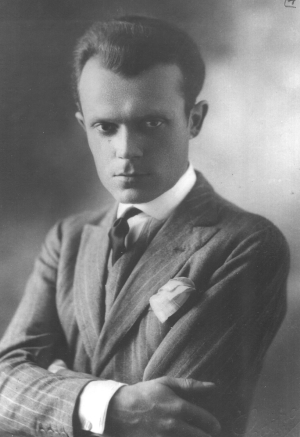
Alessandro "Sandro" Pertini (25 September 1896 – 24 February 1990) was an Italian journalist and leading figure of the Italian Socialist movement. He is best known for his moral authority and populist style while serving as President of the Italian Republic from 1978 to 1985. Widely respected across the political spectrum, Pertini combined a lifelong commitment to democratic socialism with a reputation for directness and public engagement.
Image gallery
9 Images




Early life and anti‑fascist activity
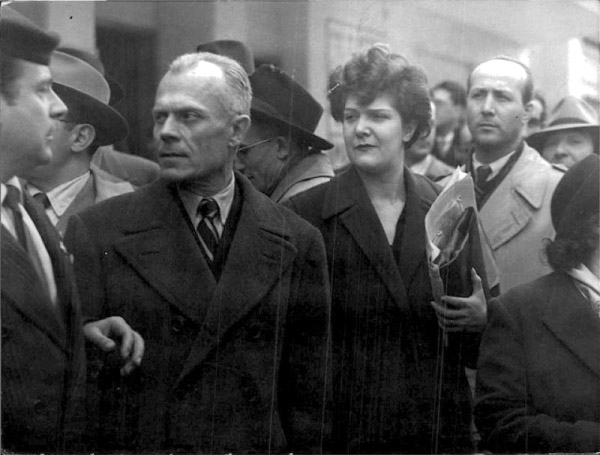
Pertini was born in Liguria and trained as a lawyer before turning to journalism and politics. During the rise of Fascism in Italy he opposed Mussolini's regime, a stance that led to repeated persecution. He endured imprisonment and internal exile for his political activities and continued to speak out through newspapers and party work. During the Second World War he aligned with the anti‑fascist Resistance, a period that reinforced his standing as a committed defender of democratic institutions.
Political career and presidency
After the fall of Fascism he held elected office, participated in the rebuilding of Italian democracy, and became a prominent member of the Italian Socialist Party. In 1978 he was elected President of the Republic at a moment of national crisis following political violence and terrorism; his seven‑year presidency (1978–1985) was marked by frequent public appearances, symbolic gestures, and appeals to civic responsibility. Pertini used the presidency to emphasize unity, civil liberties and the rule of law, often speaking plainly to both citizens and political leaders.
Style, public image and legacy
Pertini's style combined warmth, moral firmness and visible emotion. He was known for his accessibility, attending sporting events and meeting ordinary people as well as statesmen. This approach made him one of Italy's most popular postwar presidents and a symbol of resistance to authoritarianism. His reputation has endured in histories of modern Italy as an example of principled leadership during turbulent times.
Notable facts
- Often called "Sandro", he remained an active journalist and commentator throughout his life; see further reading.
- He served as a partisan and anti‑fascist activist before holding high office in the postwar republic.
- His presidency followed a violent period in Italian politics; he is remembered for restoring public confidence and promoting democratic values.
Pertini's blend of activism, public empathy and institutional conservatism (in defence of democracy) left a strong mark on Italy's political culture. He is commemorated in biographies, public memorials and scholarly works that examine Italy's 20th‑century transition from dictatorship to parliamentary democracy.
Questions and answers
Q: Who was Alessandro Pertini?
A: Alessandro Pertini was an Italian journalist and socialist politician.
Q: What was Alessandro Pertini's position in the Italian government?
A: Alessandro Pertini served as the seventh President of the Italian Republic.
Q: When did Alessandro Pertini serve as President of Italy?
A: Alessandro Pertini served as President of Italy from 1978 to 1985.
Q: What was Alessandro Pertini's political affiliation?
A: Alessandro Pertini was a socialist politician.
Q: When was Alessandro Pertini born?
A: Alessandro Pertini was born on September 25, 1896.
Q: When did Alessandro Pertini pass away?
A: Alessandro Pertini passed away on February 24, 1990.
Q: How is Alessandro Pertini remembered in Italy?
A: Alessandro Pertini is remembered as a respected journalist and statesman who played an important role in Italian politics during the 20th century.
Related articles
Author
AlegsaOnline.com Alessandro Pertini — Italian journalist, socialist and President (1978–1985) Leandro Alegsa
URL: https://en.alegsaonline.com/art/113631
Sources
- pertini.it : "A biography of Pertini"