
Adventures of Captain Marvel (1941 serial)
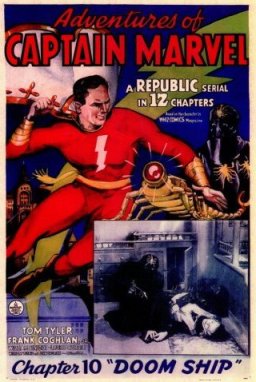
A 12‑chapter 1941 Republic film serial starring Tom Tyler and Frank Coghlan Jr., adapting Fawcett Comics' Captain Marvel into one of cinema's earliest superhero screen portrayals.
Overview
Adventures of Captain Marvel is a 12‑chapter film serial first released in 1941. Produced by Republic Pictures and distributed by RKO Radio Pictures, it brought the popular Fawcett Comics superhero to movie audiences in a chapter‑based, cliffhanger format typical of the period. The serial is remembered for its action sequences, practical effects and its early screen depiction of a comic‑book hero.
Image gallery
3 Images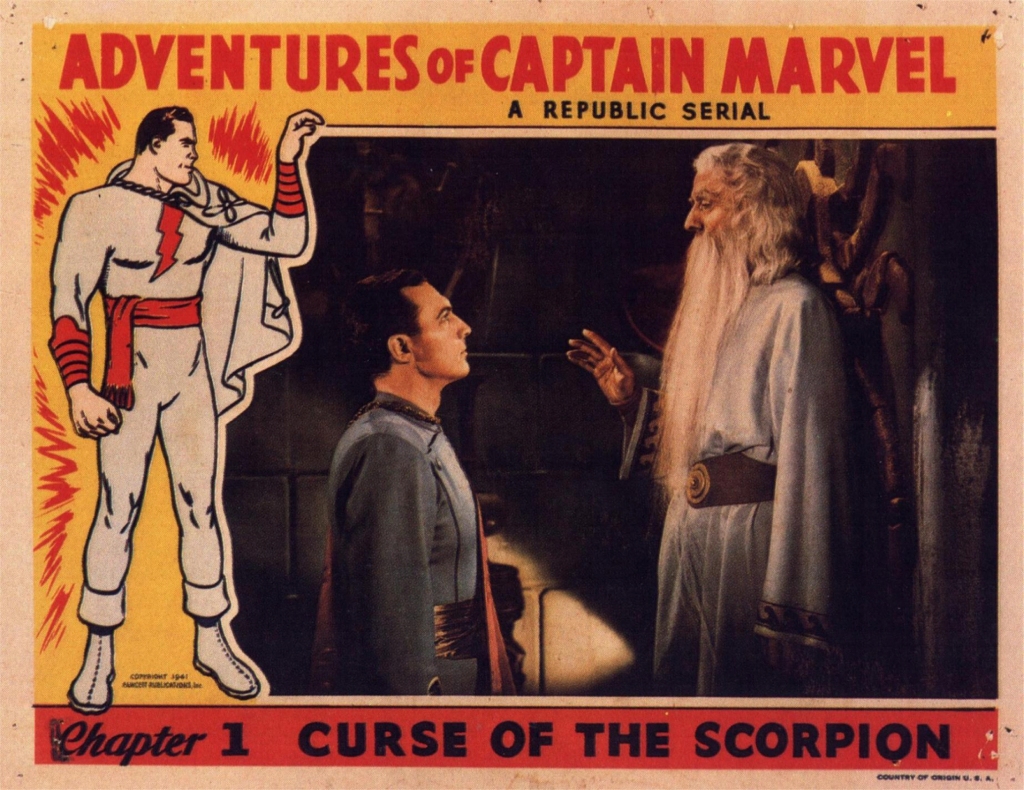
Cast, creators and format
The central roles are played by Tom Tyler as Captain Marvel and Frank Coghlan Jr. as Billy Batson, the young boy who transforms into the hero. Direction was by William Witney and John English, a directing team noted for their work on Republic’s action serials. The project followed the common serial pattern of roughly 12 short chapters, each ending with a perilous cliffhanger that resolved at the start of the next installment.
Character and plot elements
At the heart of the story is the dual identity of Billy Batson and his adult alter ego, Captain Marvel, whose transformation is triggered by the magic word associated with the character in the comics. The serial condenses and adapts comic elements—mystery, villains, and gadgetry—into fast‑paced episodic adventures aimed at a family audience and matinee crowds of the era.
Production and effects
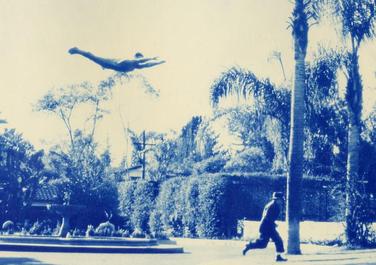
As with many serials of the time, much of the excitement was created with practical stunts, staged fight scenes and camera tricks rather than large‑scale special effects. Flying and superpowered feats were suggested through editing, wind machines, and model work rather than elaborate visual effects. Directors Witney and English applied efficient staging and stunt choreography to keep the action brisk and economical.
Legacy and significance
Adventures of Captain Marvel is often cited as one of the earliest cinematic adaptations of a comic‑book superhero and helped establish conventions for bringing illustrated heroes to live action. The character later became more widely known under the name Shazam in subsequent comic‑book and media histories, but this serial remains an important early example of the genre and of American serial filmmaking in the early 1940s.
Notable facts and further reading
- Format: 12 chapters, each with a cliffhanger ending and a recap at the start of the next chapter.
- Studio: Produced by Republic Pictures; released to theaters via RKO Radio Pictures.
- Creative team: Directed by William Witney and John English; starring Tom Tyler and Frank Coghlan Jr.
- Historical note: An early, influential screen depiction of a comic‑book superhero and a touchstone for later adaptations.
- For additional production details and chapter listings, see further reading.
Related articles
Author
AlegsaOnline.com Adventures of Captain Marvel (1941 serial) Leandro Alegsa
URL: https://en.alegsaonline.com/art/1115