
1433 — the number and the year
Overview of 1433 as an integer (properties, representations) and as a historical year in the 15th century, with context, notable events, and distinguishing facts.
1433 can be considered both a natural number and a calendar year in the 15th century. As a number it belongs to the sequence of positive integers immediately following 1432 and preceding 1434. As a year it falls during the late Middle Ages and the early Renaissance, a period of significant political, cultural and maritime activity around the world.
Image gallery
2 Images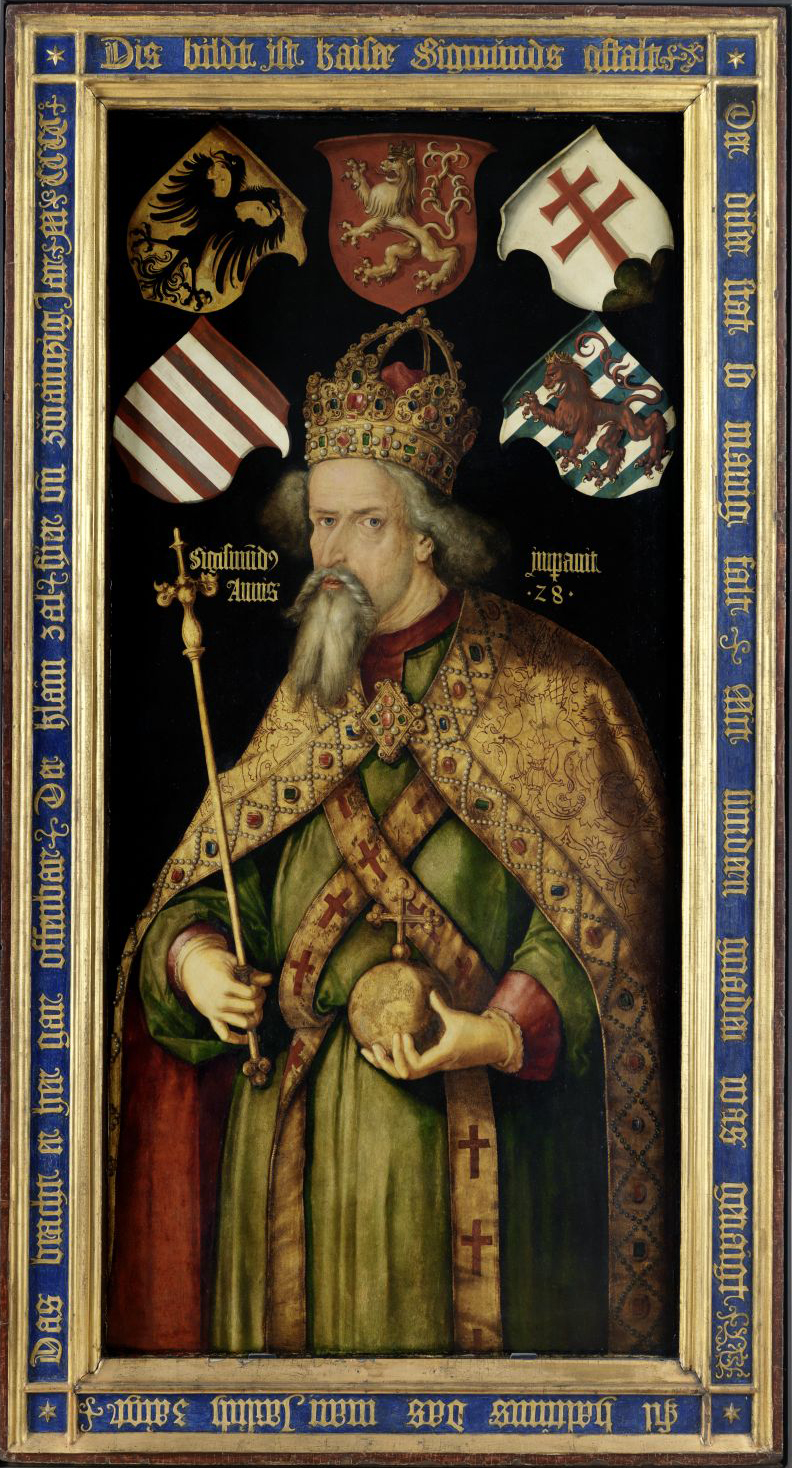

As a number
Mathematically, 1433 is an odd positive integer. It is prime, meaning its only positive divisors are 1 and 1433. It is not a perfect square or cube. Numerically interesting relations include its proximity to the 53rd triangular number: 53×54/2 = 1431, so 1433 equals that triangular number plus two.
- Roman numeral: MCDXXXIII.
- Binary: 10110011001.
- Hexadecimal: 0x599.
- Octal: 2631.
As a historical year (AD 1433)
Year 1433 falls midway through the long Hundred Years' War in Western Europe and within the broader era of the Renaissance in Italy. It is also part of the Ming dynasty period in China and the age of early long-distance naval expeditions.
One of the better documented events associated with this period is the return of a major Ming maritime expedition. Chinese imperial treasure fleets under Admiral Zheng He completed one of their large voyages in the early 1430s; contemporary records place the final phases of the fleet's operations around 1433. These state-sponsored voyages had carried diplomats, envoys and valuable goods across the Indian Ocean and into the East African littoral, reflecting Ming naval capacity and diplomatic reach at the time.
Elsewhere in Eurasia, the 1430s saw ongoing negotiations and church councils that sought to address political and religious disputes, while artistic and intellectual currents associated with the Renaissance continued to develop in Italian city-states and beyond. The year 1433 thus sits within a transformative century characterized by expanding trade, exploration, and evolving political structures.
Usage: 1433 appears in modern contexts as an identifier (years, catalog numbers, model names, addresses) and, when referenced without context, is commonly interpreted either as the integer or the historical year. Its mathematical simplicity and a short list of readily stated representations make it straightforward to recognize in technical and historical discussion.
Related articles
Author
AlegsaOnline.com 1433 — the number and the year Leandro Alegsa
URL: https://en.alegsaonline.com/art/111352